Which Outdoor Project Should You Book First: Lighting, Mulch, or a Wall?
Deciding which outdoor project to book first, lighting, mulch, or a retaining wall, comes down to sequencing that avoids rework. Here's how to prioritize your list.
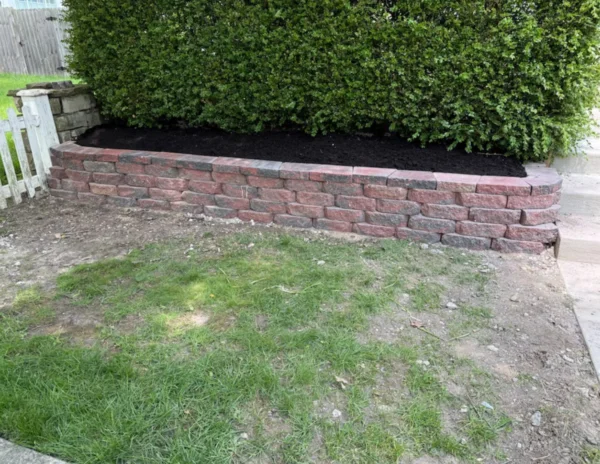
When you have multiple outdoor projects on your list, prioritizing structural work first, then plantings and mulch, then lighting last generally avoids the most rework. This order is not a strict rule, but it reflects which projects tend to disturb the others if done out of sequence.
We talk through this with homeowners often, especially ones planning a bigger yard overhaul that includes a retaining wall, fresh mulch, and landscape lighting all in the same year.
Here is how to think through the order based on your specific combination of projects.
Why structural work usually comes first
Retaining walls, grading changes, and other structural landscaping typically involve heavy equipment, soil movement, and disruption to the surrounding area. Doing this work after mulch and plantings are in place usually means undoing some of that work to make room for the equipment and materials.
A retaining wall also often changes the elevation or shape of a bed, which affects where plants and lighting fixtures make sense afterward. Building the wall first means everything that comes after is designed around the final shape of the space, not a temporary one.
If a wall is part of your plan at all, even a small one, it generally makes sense to schedule it before finalizing plant and lighting decisions.
Why mulch and plantings come before lighting
Landscape lighting placement depends heavily on where plants end up and how they are spaced, since fixtures are positioned relative to specific trees, shrubs, or bed edges. Installing lighting before plants are in the ground means guessing at final placement instead of designing around it.
Wire routing is also easier to plan around a finished bed layout than to retrofit into one, particularly if mulch and edging are already established and cutting into them means disturbing finished work.
We do design lighting and landscaping together conceptually well before installation, as covered in our post on planning landscape design and lighting together, but the actual installation sequence still generally favors plants and mulch going in before fixtures.
What if budget forces a different order?
Plenty of projects do not follow this order simply because of budget timing, and that is a completely normal way to phase a larger plan over a year or more. A homeowner might install lighting on existing landscaping this year and plan a wall for next year once funds allow.
The key adjustment in this situation is designing the later project around what is already in place rather than assuming it will be built from scratch. This is more work upfront in planning but avoids surprises when the second project starts.
If you know a bigger structural project is coming eventually, mentioning that during a lighting or planting consultation lets us design with that future change in mind, even if it is a year or two out.
How power washing fits into this sequence
If power washing is also part of your plan, it generally belongs at the very front of the sequence, before any of the other projects, since pressure washing runoff and overspray can affect fresh mulch or plantings. We cover this specifically in our post on power washing before mulch and lighting installs.
This means a full sequence for a property doing everything at once would typically run power washing, then structural work, then mulch and plantings, then lighting.
Not every project list includes all of these, so use whichever subset applies to your situation.
- Power washing exterior surfaces and hardscape
- Retaining walls or grading changes
- Mulch and plant installation
- Landscape lighting fixture placement
- Final adjustments and walkthrough
When it's fine to do lighting first
There are situations where lighting first makes sense despite the general order, particularly if you already have established landscaping that is not changing and just want to add lighting to what exists. In that case there is no future disruption to worry about.
Lighting first can also make sense if your main goal is functional or safety lighting, like illuminating a walkway or entry, and the aesthetic landscaping work is a separate, unrelated future project on a different part of the property.
The general sequencing advice matters most when multiple projects touch the same physical space and could disrupt each other, not as a universal rule for every property.
How to plan this out before booking anything
If you have several projects in mind, it is worth having one conversation that covers the full scope before scheduling individual pieces, even if the actual work happens across multiple seasons. This lets whoever you are working with sequence things sensibly instead of reacting to each project in isolation.
This does not require having every detail finalized up front. Even a rough idea of what you eventually want, in roughly the order you are hoping to tackle it, is enough to plan around.
Bringing this up during your first contact or consultation call saves time compared to figuring out sequencing issues after a project is already underway.
Frequently asked questions
Do I have to do all my outdoor projects in one order?
No. Many homeowners phase projects across multiple seasons based on budget. The main benefit of thinking through order in advance is designing each phase around what is already in place or what is coming later.
What if I already have lighting and want to add a retaining wall later?
It is workable. The wall project will be designed around your existing lighting and landscaping, which may mean some fixtures get adjusted or relocated depending on how the wall changes the space.
Should power washing happen before or after mulch installation?
Before, generally. Pressure washing runoff and overspray can affect fresh mulch, so it typically makes sense earlier in a project sequence rather than after mulch is down.
Is there a wrong order to do these projects in?
Not exactly wrong, but some orders create more rework than others. Structural work before plantings and plantings before lighting tends to minimize disruption, though budget and other factors sometimes make a different order more practical.
The bottom line
- Structural projects like retaining walls generally come first in a sequence of outdoor work.
- Mulch and plantings typically go in before lighting fixtures are placed.
- Power washing belongs at the front of the sequence if it's part of your plan.
- Budget-driven phasing is normal, just design later phases around what already exists.
- Discuss your full project list early, even if work happens across multiple seasons.
Planning multiple outdoor projects
Talk through your full project list with us so we can sequence the work in a way that avoids rework later.
Get in touch