Off-Season Planning: Designing Your Spring Landscape Project in Winter
Planning a spring landscape project in winter gives you a head start on design, plant selection, and scheduling before the busy season fills up. Here's how to use the off-season well.
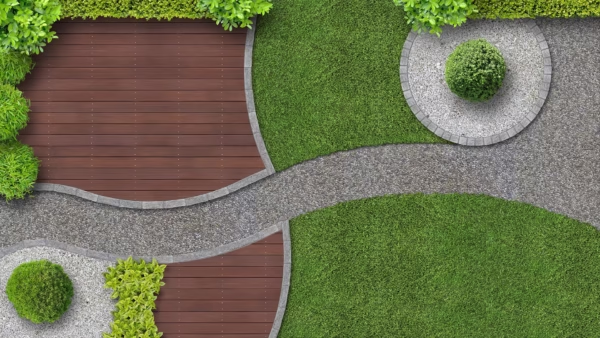
Planning a spring landscape project during winter feels counterintuitive, but it's actually the ideal time to design before the ground thaws and everyone else starts calling at once. The plants aren't going anywhere and the design work doesn't require warm weather.
A lot of homeowners wait until they see other yards greening up before thinking about their own project, which means starting the design conversation right when demand and scheduling pressure are at their highest.
This post covers what you can actually accomplish in the off-season and why it puts you ahead once spring installation season arrives.
What can actually happen before the ground thaws
Design work itself has no season. Sketching a bed layout, discussing plant palette, and working out a rough budget can all happen at your kitchen table in January just as well as in a yard in May.
What can't happen in winter is the physical installation of most plant material, since the ground is frozen and nurseries aren't stocked with the season's inventory yet. But that's exactly why the design phase belongs earlier.
By the time the ground is workable in spring, a winter-planned project can move straight into installation instead of starting the design conversation from scratch.
Evaluating your yard without leaves in the way
Winter actually offers a clearer view of your yard's underlying structure, since without leaves and full foliage, it's easier to see sightlines, drainage patterns, and how the house relates to existing trees and hardscape.
This is useful for spotting issues that get hidden once everything leafs out, like a low spot that holds water or a tree canopy that's grown to shade an area more than expected.
A winter landscape design walkthrough lets us take note of these things while they're visible, which then informs the spring plan.
Ordering plant material ahead of the rush
Popular plant varieties and larger specimen stock can sell out at nurseries during peak spring demand, especially for anything slightly unusual or in high demand for the season. Finalizing your plant list in winter gives us a better shot at securing exactly what you want.
This matters more for larger or specialty plants like a specific ornamental tree than it does for common annuals or groundcovers, which are usually available in volume throughout the season.
If a specific look or plant type matters a lot to you, winter planning is the safer path to actually getting it rather than settling for a substitute once spring stock runs thin.
- Specimen trees and unusual varieties benefit most from early ordering
- Common perennials and groundcovers are less at risk of running out
- Larger container sizes tend to sell through faster than small starter stock
- Winter planning gives nurseries lead time to source specific requests
Planning hardscape and lighting alongside plantings
Winter is also a good time to fold in retaining walls, pathway layout, or landscape lighting planning, since these elements interact with plant placement in ways that are easier to sort out on paper before anything is in the ground.
As covered in our post on why landscape design and lighting should be planned together, sequencing these elements matters for wire routing and fixture placement, and winter gives plenty of time to work through that sequencing without pressure.
None of these elements need to be installed at the same time as the planting, but having them mapped out together avoids future conflicts.
Getting ahead of the spring scheduling crunch
Spring is our busiest season for landscape installs, since it's when the largest number of homeowners want work done at once. A design finalized in winter means you're ready to move as soon as your install slot opens, instead of starting the process once the calendar is already full.
This also gives you more say over your actual install date rather than taking whatever's left once spring demand peaks.
If you're thinking about a spring project at all, reaching out for a consultation during the winter months puts you in a much better position than waiting until the first warm week.
What a winter consultation actually looks like
A winter walkthrough covers the same ground as any other season, current conditions, goals for the space, budget range, and rough design direction. The main difference is we're looking at bare structure rather than full foliage, which as mentioned earlier can actually be an advantage.
We'll leave you with a plan and a rough sense of budget and timeline, so you know what to expect once the season turns and installation becomes possible.
According to Michigan State University Extension's guidance on landscape planning, assessing a yard's structure and drainage during the dormant season is a useful practice regardless of which region you're in, since it isolates the bones of the property from seasonal foliage.
Frequently asked questions
Can landscape design work really happen in winter with snow on the ground?
Yes. Design, plant selection, and budgeting are all things we can work through regardless of ground conditions. Physical installation waits for workable spring weather.
Will plants ordered in winter be held until spring?
Typically yes, we coordinate with nurseries on timing so plant material arrives when it's actually ready to go into the ground, not before.
Does winter planning cost more than a spring consultation?
No, the consultation process is the same regardless of season. Planning ahead is really about scheduling advantage, not additional cost.
Should I wait until I see what survived winter before planning changes?
You can, but it's not required. We can plan around existing plantings and adjust the design once spring conditions show what needs replacing.
The bottom line
- Design, plant selection, and budgeting can happen in winter regardless of ground conditions.
- Bare winter yards make it easier to evaluate structure and drainage issues.
- Ordering specialty plant material early avoids running into spring shortages.
- Hardscape and lighting elements are worth planning alongside plantings in the same winter conversation.
- Winter planning puts you ahead of the spring scheduling crunch and gives more control over install timing.
Thinking about a spring landscape project
Start the design conversation now so you're ready to install as soon as spring conditions allow.
Explore landscape design