Wind and Ice-Resistant Lighting for Port Clinton and Oak Harbor Cottages
Port Clinton outdoor lighting for cottages near Lake Erie needs to hold up to wind and ice. Here's what durable fixture and mounting choices look like.
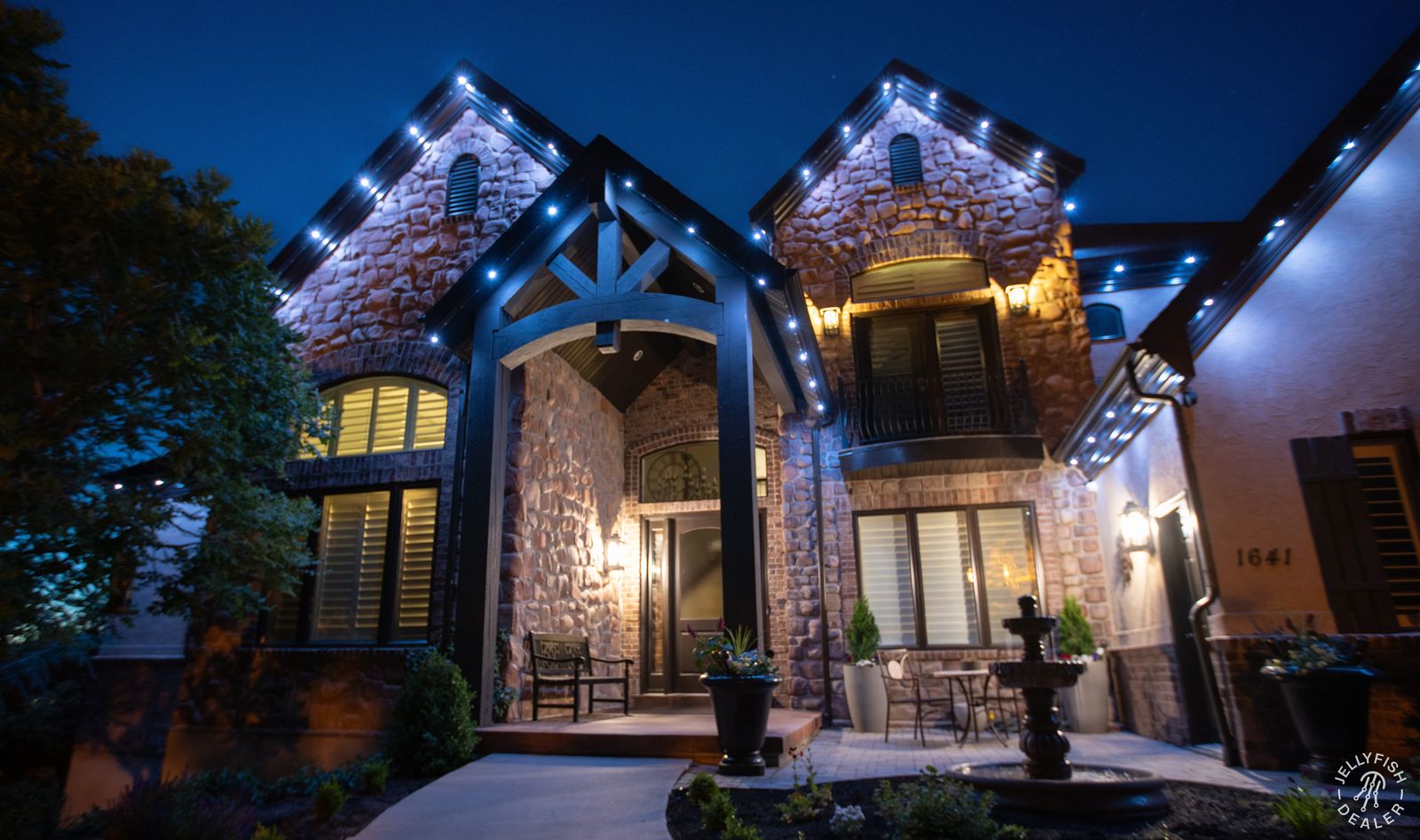
Port Clinton outdoor lighting has to handle a specific set of conditions that come with being close to Lake Erie: strong sustained wind off the water, and the ice buildup that follows lake-effect weather through winter. Cottages and seasonal homes around Port Clinton and Oak Harbor see more of both than a typical inland property.
That does not mean lighting has to be complicated, but a few choices around fixture type and mounting make a real difference in how well an install holds up season after season.
This post covers what to look for and where problems tend to show up first if those factors are not accounted for.
Why the Port Clinton area sees more wind and ice exposure
Port Clinton and Oak Harbor sit close enough to Lake Erie that properties get more direct exposure to wind coming off the water than towns further inland. That wind is more consistent and often stronger during storm systems that move across the lake.
Lake-effect weather also means these areas can see heavier ice accumulation on rooflines and gutters during certain winter storms compared to areas just a short drive south.
Both factors matter for any exterior lighting installation, whether it is landscape lighting in the yard or permanent lighting along the roofline.
How ice buildup affects permanent roofline lighting
Permanent lighting track mounted along a roofline needs to be secured well enough to handle the weight of ice that can form during winter storms, along with the freeze-thaw cycles that follow. A poorly secured track is more likely to pull loose under that added weight than one installed with attention to the specific exposure of the home.
This is one of the reasons we pay close attention to mounting hardware and clip spacing on homes in this area, since the standard approach for a sheltered inland home may need adjustment for a property that regularly deals with heavier ice.
The Jellyfish system is designed to stay mounted and functional through winter weather, but installation quality still matters more in higher-exposure areas like this.

Wind considerations for landscape lighting fixtures
Landscape lighting fixtures in open, wind-exposed yards near the lake benefit from sturdier stakes and more secure placement than fixtures in a sheltered inland bed. A lightweight path light that works fine in a calm suburban yard may shift or tip over time in a consistently windy lakefront yard.
Wire runs should also be buried a bit more carefully and secured at connection points, since wind-driven soil movement and freeze-thaw cycles can gradually expose wire that was only loosely buried.
None of this requires unusual equipment, just more attention to securing everything properly given the added exposure.
- Use sturdier fixture stakes in open, wind-exposed yards
- Bury and secure wire runs carefully to avoid exposure from freeze-thaw movement
- Check roofline lighting mounting hardware before winter storm season
- Choose sealed connections rated for wet, cold conditions
Lighting for seasonal cottages left unattended part of the year
Many properties around Port Clinton and Oak Harbor are seasonal or weekend cottages that sit unattended for stretches at a time, especially in winter. Lighting on these properties should be able to go through a stretch of bad weather without needing someone on-site to check on it.
Photocells and app-based scheduling help here, since lighting can run on its own timeline without anyone needing to visit the property to turn it on or adjust it.
If your cottage is only occupied seasonally, mention that during your consultation so we can plan a setup that holds up through the off-season without regular attention.
What a pre-winter check should cover
A quick check before the heaviest part of winter catches most issues before they turn into a bigger repair. This includes confirming roofline lighting track and clips are secure, checking that landscape fixture stakes have not loosened, and making sure wire connections are still sealed.
For properties that saw storm damage or heavy ice the previous winter, it is worth checking those specific areas first, since damage tends to repeat in the same spots if the underlying mounting was not addressed.
The National Weather Service tracks lake-effect weather patterns for the Lake Erie shoreline, which can be a useful reference if you want to time a pre-winter check ahead of a typical heavy weather stretch for this area.
Balancing durability with the look homeowners actually want
None of these durability considerations mean sacrificing how the lighting actually looks. A well-mounted, properly sealed install looks the same as a standard one, it just holds up better through the specific conditions this area sees.
Cottages around Port Clinton and Oak Harbor still get the same range of options for permanent lighting colors and landscape lighting fixture styles as anywhere else, with the added attention to mounting and sealing built into the install itself.
The goal is a lighting setup that looks good in July and is still working fine come the following spring, without a mid-winter repair call.
Frequently asked questions
Does ice buildup actually damage roofline lighting?
It can, mainly by adding weight and stress to poorly secured mounting. Properly spaced clips and secure mounting hardware handle typical ice buildup without issue.
Do landscape lighting fixtures need to be different near Lake Erie?
Not entirely different, but sturdier stakes and more careful wire burial help in open, wind-exposed yards compared to a sheltered inland bed.
Can lighting run properly at a cottage that is empty most of the winter?
Yes, photocells and app-based scheduling let lighting operate on its own without anyone needing to visit the property to manage it.
How often should lakefront-area lighting be checked?
A check before the heaviest part of winter and another in spring covers most issues, especially for properties that see heavier ice or storm exposure.
The bottom line
- Port Clinton and Oak Harbor properties see more wind and ice exposure than inland areas.
- Secure mounting and sealed connections matter more here than in sheltered yards.
- Seasonal cottages benefit from lighting that runs unattended through the off-season.
- A pre-winter check catches most issues before they become bigger repairs.
- Durability upgrades do not require sacrificing how the lighting looks.
Get lighting built for lakefront weather
We can install and check lighting with the wind and ice exposure of your Port Clinton or Oak Harbor property in mind.
Explore permanent lighting