Outdoor Lighting Maintenance Checklist by Season
A seasonal outdoor lighting maintenance checklist covering rooflines, landscape fixtures, and patio lights so everything stays bright year-round.
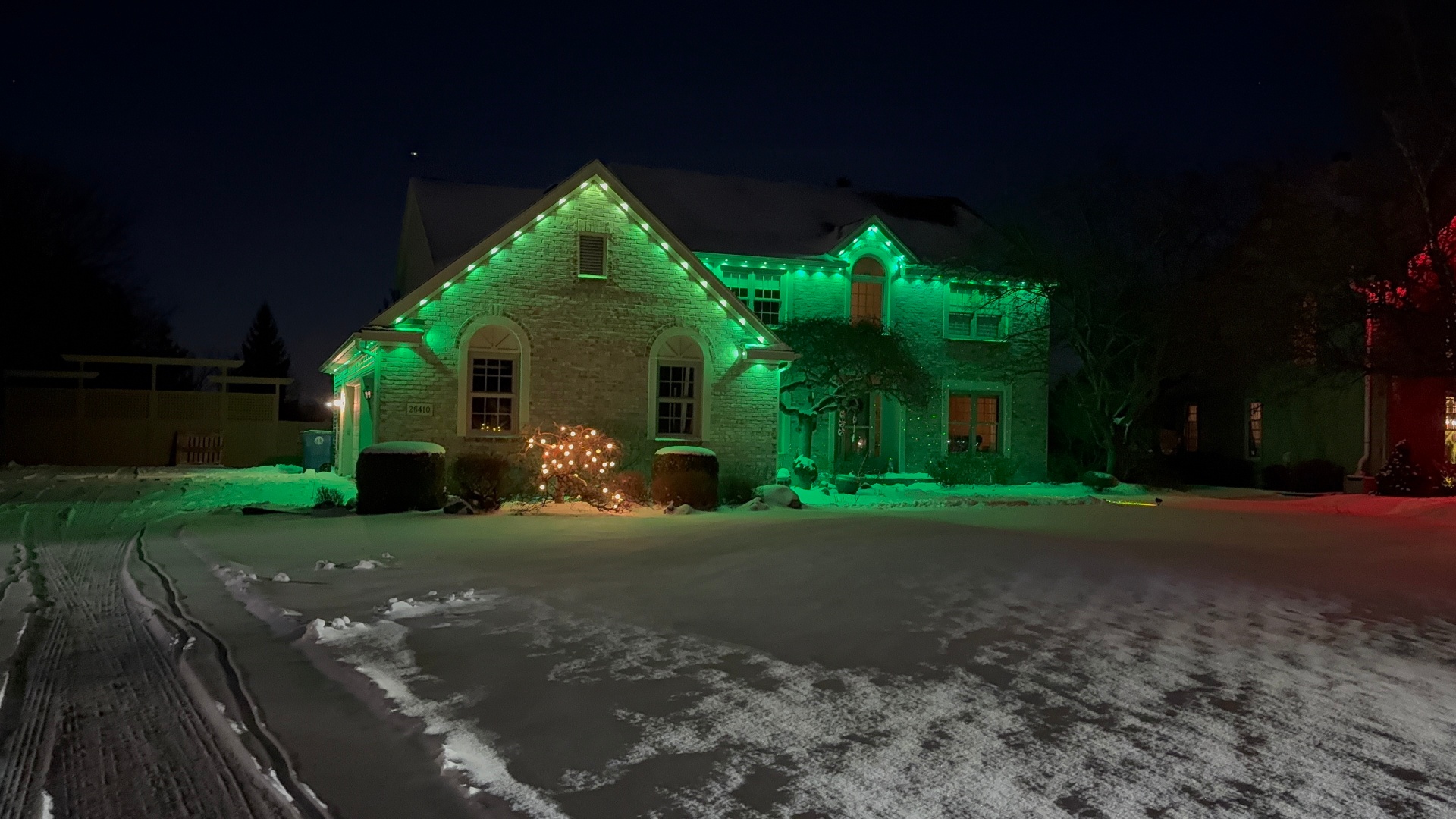
An outdoor lighting maintenance checklist only works if it matches the seasons Northwest Ohio actually throws at your fixtures. Spring means pollen and dirt, summer means storms and growth around low-voltage runs, fall means leaf cover, and winter means ice and freeze-thaw on every track and connector.
We built this checklist from what we see on service calls, not a generic list copied from a manufacturer's manual. It covers permanent roofline systems, landscape lighting, and patio lights, and it tells you what to check yourself versus what to leave to a professional visit.
What spring cleanup should actually cover
Spring is when winter damage shows up. Walk the roofline and look for any track sections that pulled away from the fascia, clips that popped loose from ice buildup, or connectors that show water intrusion.
Wipe down diffuser channels with a soft cloth and mild soap. A garden hose on a gentle setting is fine for landscape fixtures, but avoid directing pressure washers at any wiring or permanent Jellyfish lighting connections.
This is also the point to check your low-voltage landscape lighting transformer for corrosion, since it sits outside all winter and takes the brunt of moisture.
- Inspect roofline track for gaps at corners and end caps
- Check standoff clips for cracking after freeze-thaw
- Clean fixture lenses with mild soap, not solvents
- Test the transformer and GFCI outlet feeding landscape lighting
Summer growth is the quiet threat to landscape fixtures
Plants grow fast from June through August, and uplights get buried under new foliage before anyone notices. Walk your beds monthly and pull mulch or ground cover back from fixture housings so they can vent heat properly.
Storms also loosen wire staples and can expose low-voltage cable at the surface. A quick visual pass after a bad storm takes five minutes and prevents a tripping hazard or a chewed cable.
Fall is your last real chance before winter
Clear leaves out of gutters and off rooflines before they sit against your track all winter, which traps moisture and stains aluminum finishes over time.
If you run a full holiday lighting display each year, fall is when you should confirm your permanent system's app scenes are set and tested so you are not troubleshooting on a cold night in December.
Winter checks without climbing a ladder
You do not need to get on a roof in January. Do your checks from the ground: look for any segment that has gone dark, uneven color temperature between sections, or flickering that suggests a loose connection.
Snow load rarely damages properly installed track, but ice dams can pull at fascia-mounted clips. Note anything unusual and have it looked at once temperatures allow safe access.
What a professional inspection adds
A trained tech checks things homeowners usually cannot: voltage drop across long runs, controller firmware, and whether individual diodes are dimming before they fail outright.
For most homes, one annual visit alongside seasonal DIY checks is enough to catch problems early. It is far cheaper to fix a loose connector than to replace a section of track that failed from years of water intrusion.
Common mistakes that shorten fixture life
The biggest mistake we see is pressure washing house exteriors without protecting or disconnecting lighting first. High-pressure water forces its way into seals that were never designed for it.
The second is ignoring small issues. A single flickering section is a five-minute fix. Left alone for two seasons, it can take out the whole run and require a controller reset.
Frequently asked questions
How often should I clean my permanent roofline lights?
Two to three times a year is enough for most homes: once in spring after pollen season, once after any major storm debris, and once in fall before leaves collect on rooflines.
Can I pressure wash near my lighting track?
You can pressure wash your siding, but keep the nozzle away from track, connectors, and end caps. Direct high pressure can force water past seals that are only rated for normal rain exposure.
Do landscape lights need winterizing in Ohio?
Most low-voltage landscape fixtures can stay in the ground through winter. The main task is clearing snow buildup off lenses and checking the transformer housing for ice damage after hard freezes.
What's the first sign a fixture is failing?
Dimming or flickering in one section, or a color shift compared to the rest of the run, usually means a connector or that fixture is starting to fail. Catching it early keeps the repair small.
The bottom line
- Match your maintenance routine to what each Ohio season actually does to fixtures.
- Most checks take five minutes from the ground; save the ladder work for a professional visit.
- Keep landscaping trimmed back from uplights so they can vent and stay visible.
- Small issues caught early prevent full section replacements later.
Get a seasonal maintenance visit on the calendar
We can inspect your permanent lighting, landscape fixtures, and connections once a year so small issues never turn into a full re-run.
Schedule an inspection