How to Choose an Outdoor Lighting Contractor
Choosing an outdoor lighting contractor means checking warranties, installation methods, and red flags before anyone touches your roofline.
Choosing an outdoor lighting contractor comes down to three things: how they mount the track, what the warranty actually covers, and whether they will still answer the phone in two years. A ladder and a drill can get lights on a house, but that does not mean the install will hold up through an Ohio winter.
We have replaced enough seasonal-crew installs to know the questions worth asking before you sign anything. Here is what separates a real outdoor lighting contractor from someone who just added lighting to their spring lineup.
What professional installation actually buys you
A ladder and a drill will get lights on a house. What they will not get you is correct standoff spacing, sealed penetrations, load-balanced runs, and a warranty that covers both parts and the labor to fix them.
Ask any contractor how they handle corners and transitions on your specific roofline. If the answer is vague, that is usually where problems show up first.
Questions to ask before signing anything
Get specific about the product line being installed. 'Permanent Jellyfish lighting' and 'Govee lighting' are different systems with different price points, diode density, and app ecosystems, and a vague quote that just says 'permanent lights' should raise questions.
Ask what happens if a section fails in year two. A contractor with a real service arm will have a straightforward answer involving a service call, not a shrug.
- What exact product and track system will be installed?
- How are corners, valleys, and transitions handled?
- What does the warranty cover, and for how long?
- Who do I call if a section goes dark next winter?
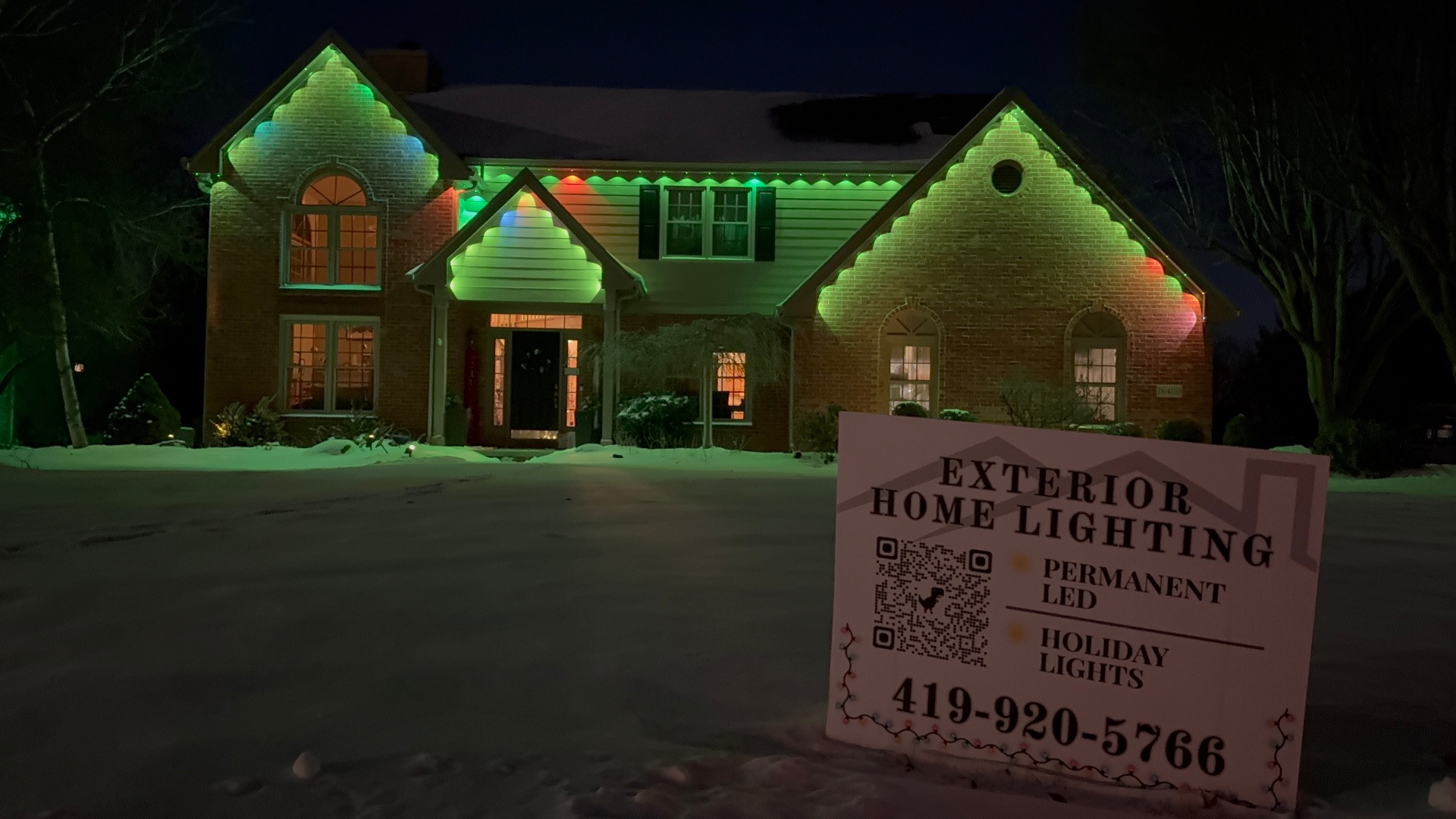
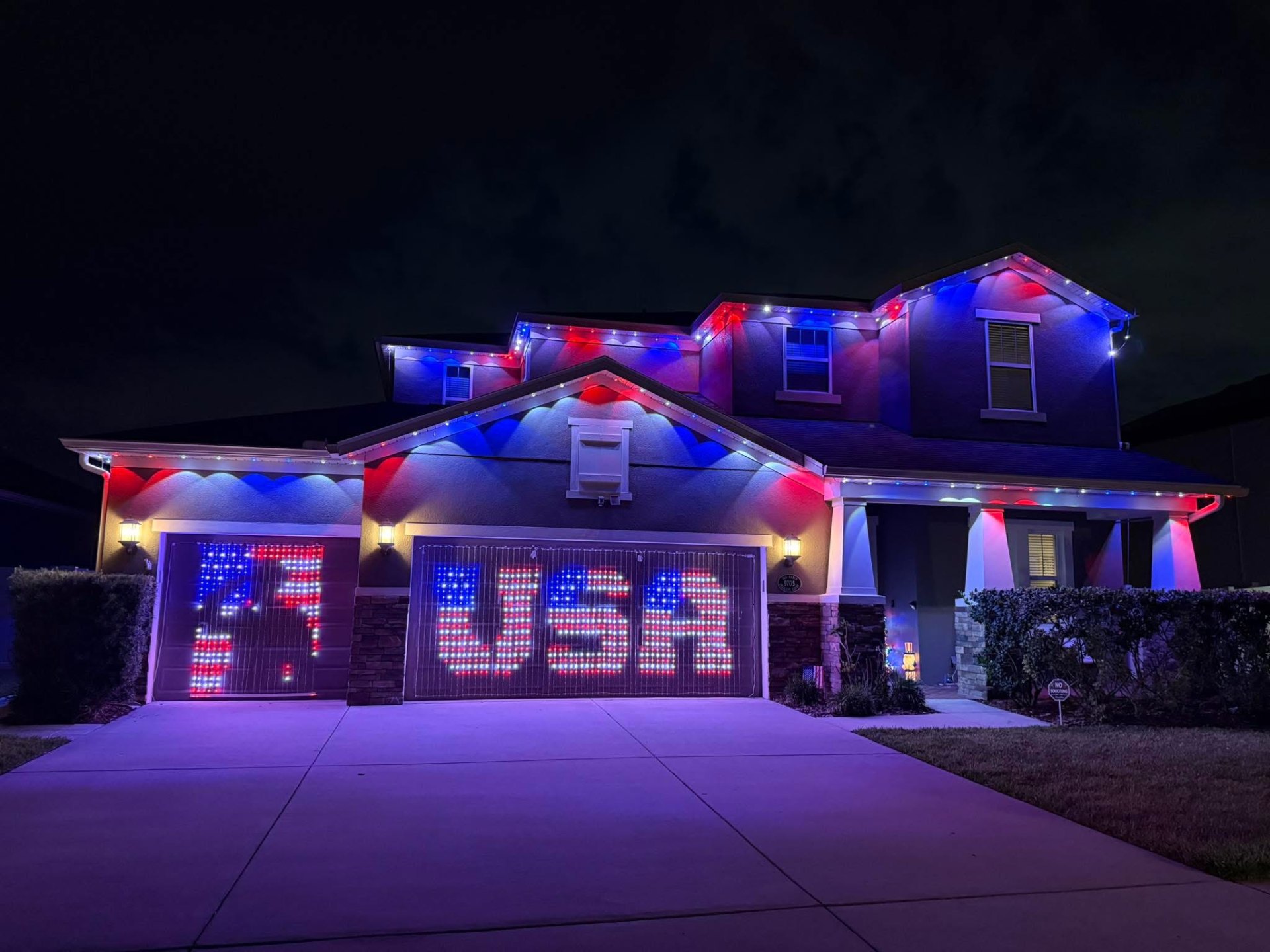
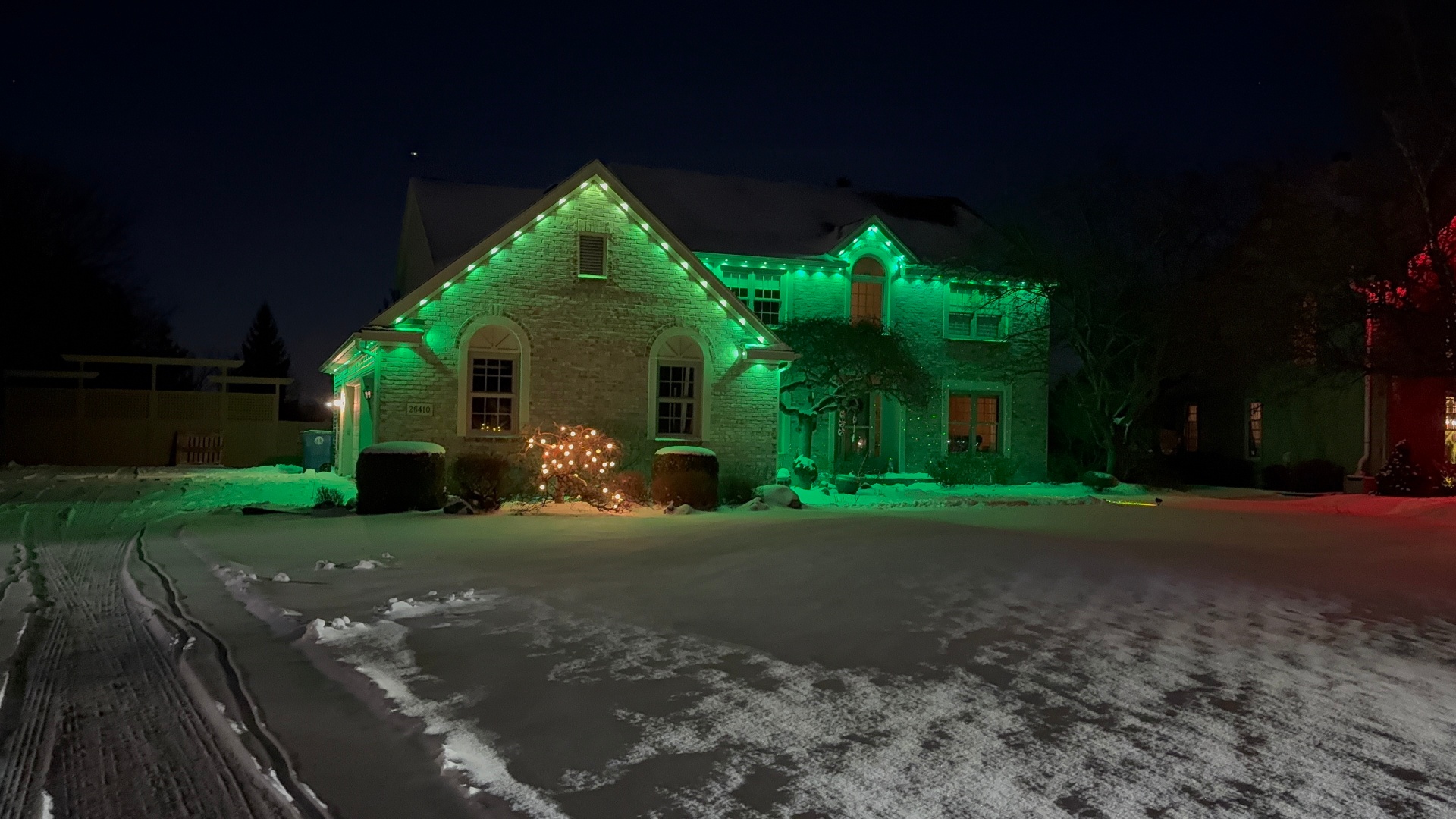
- Can I see photos of a home with a similar roofline?
Warranty language that actually matters
A warranty that only covers replacement parts still leaves you paying labor and a truck fee every time something needs attention. Look for coverage that includes the visit itself.
Also ask how warranty claims are handled if the company changes owners or the install was done by a subcontractor. Local companies with a physical presence tend to be easier to hold accountable.
Red flags worth walking away from
Door-to-door sales pressure, no written scope of work, and vague answers about mounting methods are the three most common warning signs. A legitimate contractor will walk your property, discuss your roofline specifically, and put the scope in writing.
Be cautious of pricing that seems far below competitors for the same named product. Corners get cut somewhere, usually in mounting hardware or sealing.
Local experience matters more than national marketing
A company that has installed on homes across Perrysburg, Sylvania, and Toledo understands the freeze-thaw cycles and fascia styles common in this region.
National franchises with rotating crews often do not carry that same local knowledge from one install to the next, which shows up in how well the mounting holds over a few winters.
What a real quote process looks like
Expect a site walk where the contractor measures your rooflines, discusses power access, and talks through app or controller placement before quoting anything.
A free quote should be an actual conversation about your home, not a generic per-foot number pulled from a phone call.
Frequently asked questions
Should I choose the cheapest quote?
Not automatically. Compare what product and mounting method each quote includes first. A lower price on a lesser track system or shorter warranty is not actually a better deal.
How do I know if a contractor does quality mounting work?
Ask to see photos of homes with a similar roofline style and ask specifically how they handle corners and transitions. Vague or rushed answers are a warning sign.
Does a longer warranty always mean better quality?
A longer warranty helps, but only if it is backed by a company that will still be around to honor it and includes labor, not just parts.
Is it worth getting multiple quotes?
Yes. Comparing at least two or three quotes helps you see differences in product line, mounting approach, and warranty terms that a single quote will not reveal on its own.
The bottom line
- Focus on mounting method and warranty coverage, not just price per foot.
- Get the exact product line named in writing before you sign.
- Ask pointed questions about corners, transitions, and failure response.
- Local experience with your area's climate and home styles is a real advantage.
Get a straightforward, written quote for your home
We walk your property, talk through the right system for your roofline, and put the full scope in writing before any work starts.
Request a free quote