Design-Forward Permanent Lighting for Ann Arbor's Historic Districts
Ann Arbor outdoor lighting in historic districts calls for a design-forward but restrained approach. Here's how we plan permanent lighting for older homes.
Ann Arbor outdoor lighting in the city's historic districts, like Old West Side or Burns Park, works best when the design respects the existing architecture instead of overpowering it. These neighborhoods have some of the most distinct home styles in southeast Michigan, and lighting them well takes a more deliberate approach than a standard subdivision install.
We've worked on enough of these older homes to know that the right plan usually means less rather than more, focusing light on a few key architectural features instead of tracing every edge of the roofline.
This post covers how we approach permanent lighting design for historic Ann Arbor homes specifically.
Why less can be more on a historic home
A lot of homes in Ann Arbor's historic districts have detailed rooflines with dormers, gables, and decorative trim that were never meant to be traced edge to edge with continuous lighting. Lighting the entire roofline on a home like this can end up looking busier than the architecture calls for.
We often recommend a more selective approach: lighting the primary roofline and maybe one or two standout features, like a porch overhang or a distinctive gable, rather than every edge of the house.
This tends to produce a cleaner look that reads as intentional rather than maximal, which fits the character of these neighborhoods better.
Checking historic district guidelines before installing
Some historic districts in Ann Arbor have design review requirements for visible exterior changes, and while permanent lighting hardware is generally minimal and low-profile, it's worth checking with the city or your neighborhood association before installation if you're unsure.
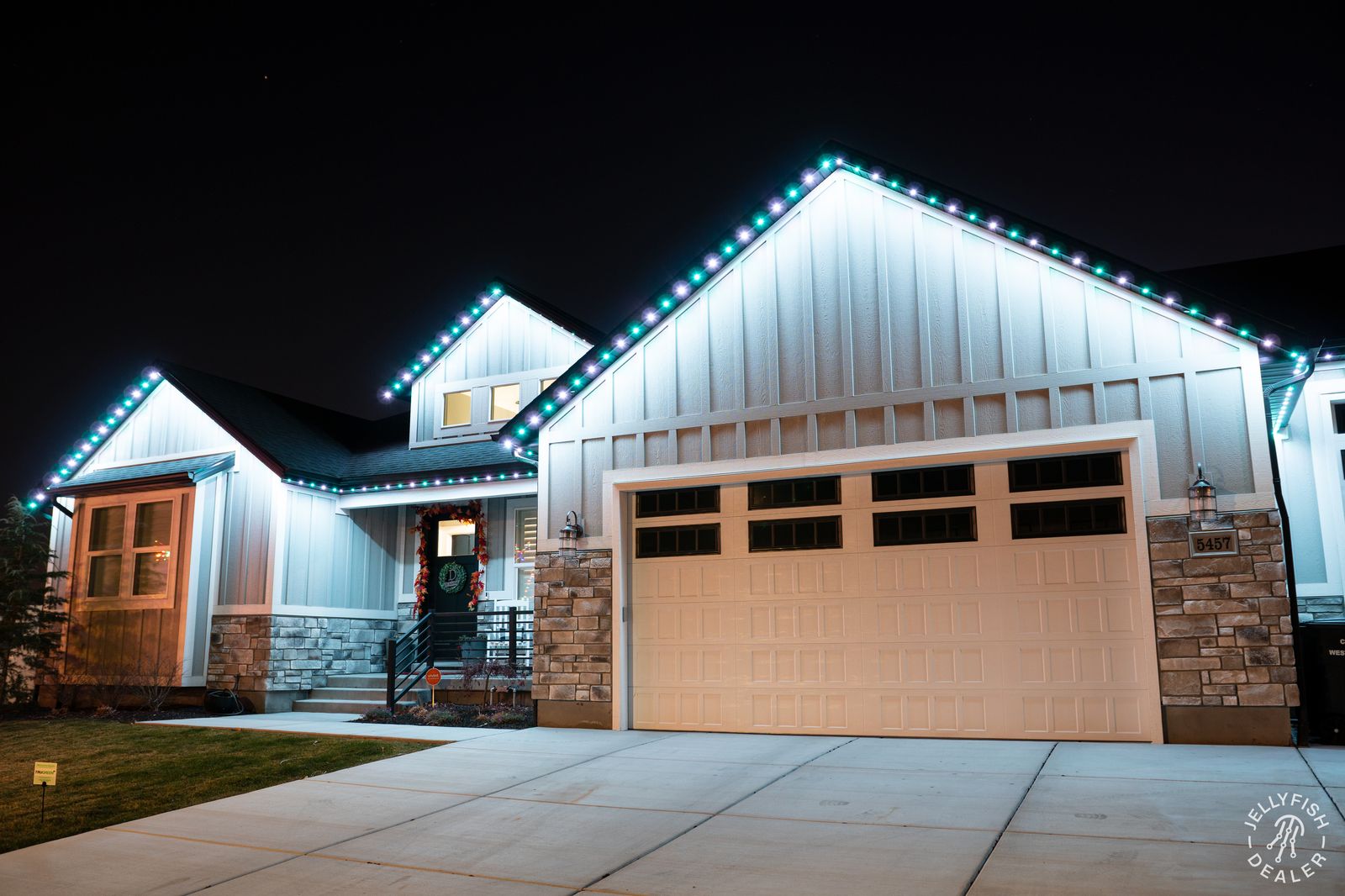
We mount Jellyfish lighting track along the fascia in a way that is largely unnoticeable during the day, which tends to minimize any conflict with district guidelines, but local rules vary and we are not the authority on them.
If your home is in a designated historic district, mention that during your quote request so we can factor it into the conversation.
Working with original trim and older construction
Homes built in the early-to-mid 1900s common in Ann Arbor's core neighborhoods often have original wood fascia and soffit that has held up well but still needs a condition check before mounting hardware. We look at this during the site visit rather than assuming uniform condition across the whole roofline.
Where trim has been replaced with modern materials in a renovation, mounting is usually simpler and closer to what we'd do on newer construction.
Either way, the goal is a secure, low-impact mount that does not visibly alter the trim during the day.
Choosing which features to highlight
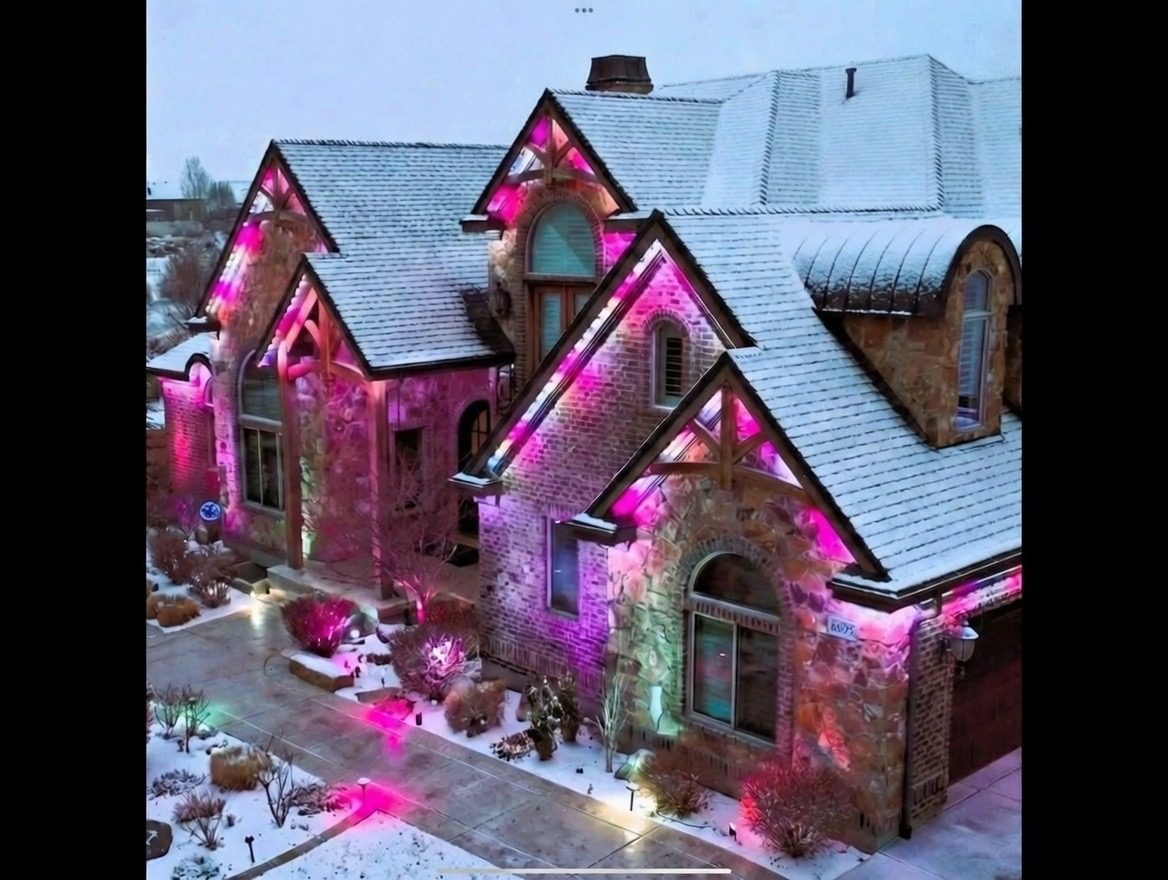
During the walkthrough, we look for the features that give the home its character: a wraparound porch, a steep central gable, decorative brackets, or a distinctive chimney. These tend to make better focal points than an undifferentiated line around the whole roof.
For homes with mature landscaping, pairing roofline lighting with a few landscape lighting fixtures at ground level can round out the look without adding more roofline hardware.
The result is usually a home that looks lit with intention rather than simply outlined.
- Identify one or two standout architectural features to prioritize
- Check trim material and condition before mounting
- Confirm any historic district guidelines that may apply
- Consider ground-level landscape lighting to complement roofline work
- Default to warm white with color available for events
Everyday warm white versus special occasions
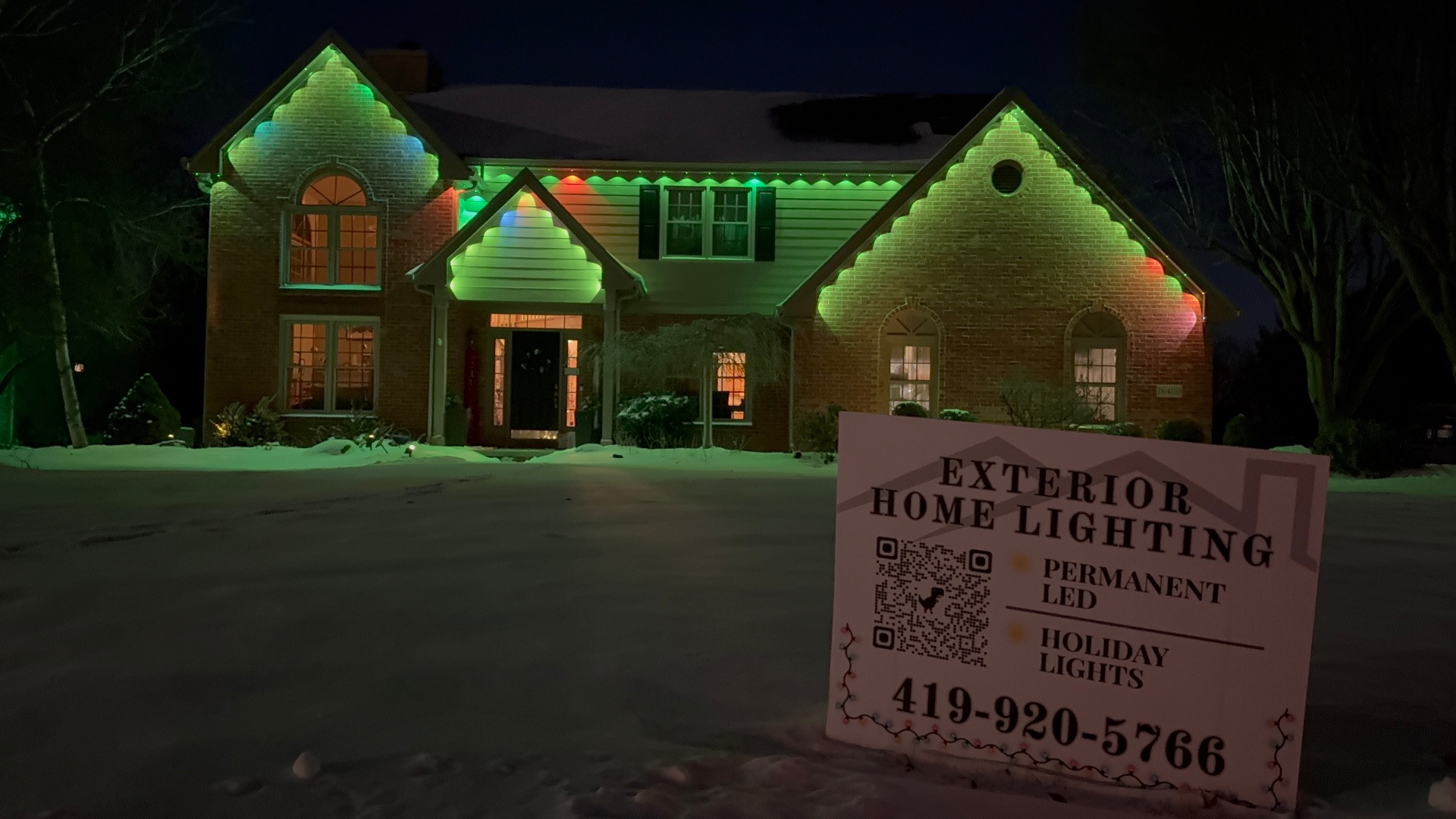
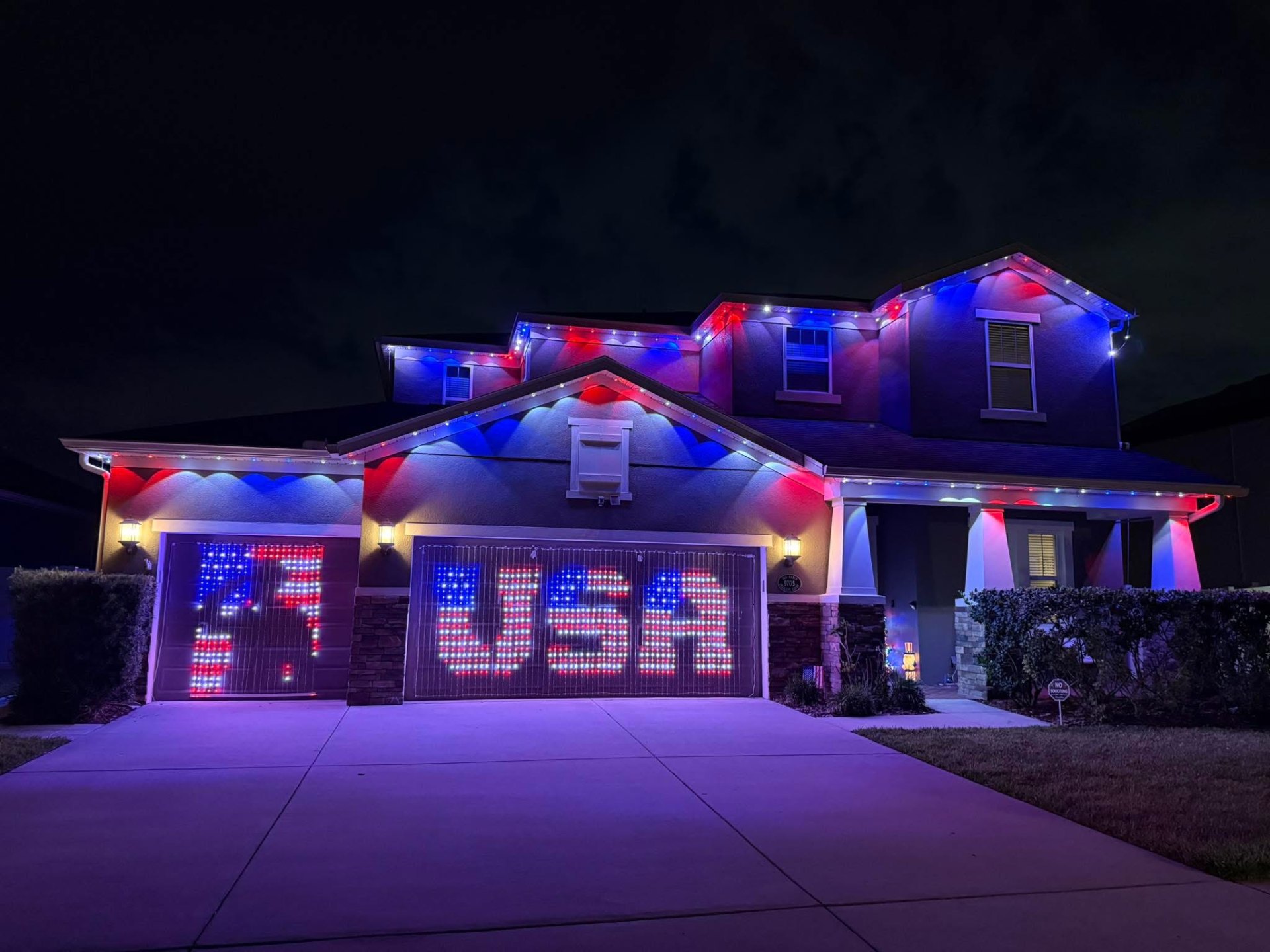
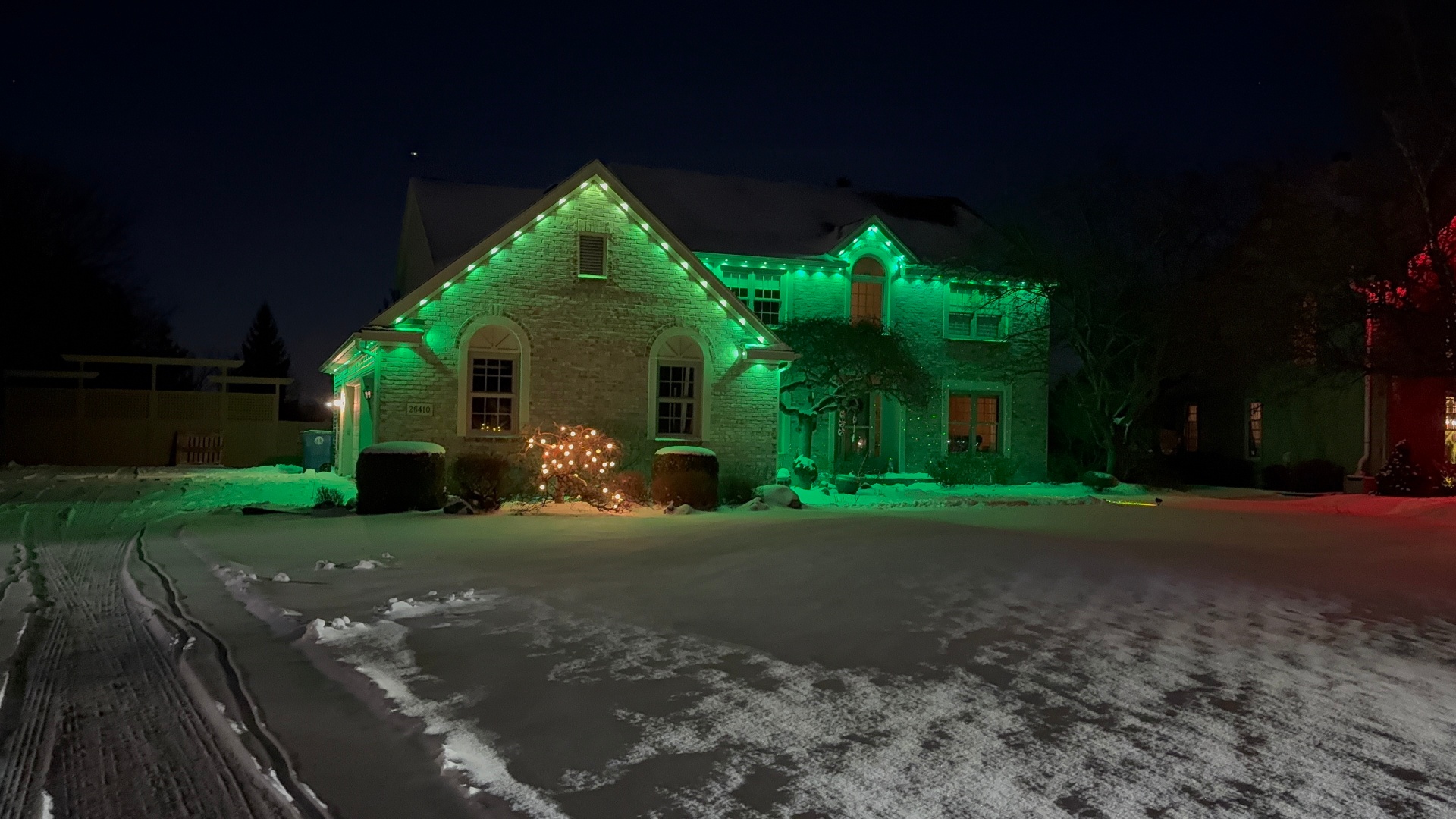
Most historic-home clients settle on warm white as their everyday setting since it fits the tone of the neighborhood and does not draw excess attention. The same system can shift to color for the Fourth of July, a graduation party, or the holidays through the app.
This flexibility is one of the main reasons homeowners choose a permanent system over traditional string lights that only work for a season, per the general product comparison in our Jellyfish lighting overview.
Getting a plan for your specific home
Every historic home is different enough that a general plan doesn't really apply. The best next step is a walkthrough where we look at your roofline, trim, and any features you'd like to highlight, then put together a design specific to your house.
You can request that through our contact page, and we'll schedule a visit to walk the property with you.
Frequently asked questions
Will lighting be visible to a historic district review board?
Permanent lighting track is low-profile and mounted along the fascia, largely unnoticeable during the day. If your home is in a designated district with review requirements, it's worth checking with your local guidelines, and we're happy to factor that into the plan.
Do you light the entire roofline on historic homes?
Not always. We often recommend focusing on the primary roofline and a couple of standout features rather than tracing every architectural detail, which tends to look cleaner on older homes.
Can old wood trim support the mounting hardware?
In most cases yes, but we check condition during the site visit first. If a section needs a different approach, we discuss it before installation.
Is color lighting still available on a historic home install?
Yes. The same permanent system supports color scenes for events even if your everyday setting is warm white.
The bottom line
- Restrained, warm white lighting generally suits Ann Arbor's historic homes better than a fully traced roofline.
- Focus on one or two standout architectural features rather than the entire roof edge.
- Trim condition should be checked before mounting hardware on older construction.
- Historic district guidelines are worth checking before installation if applicable.
- The same system still supports color scenes for special occasions.
Get a lighting plan built for your historic home
We'll walk your property and design around the architectural features that make your home distinct.
Explore Jellyfish lighting