Is Jellyfish Lighting Worth It for a Smaller Ranch Home?
Jellyfish lighting works well on smaller ranch homes, often with less track and a shorter install day than larger houses, while still delivering the full app-controlled experience.
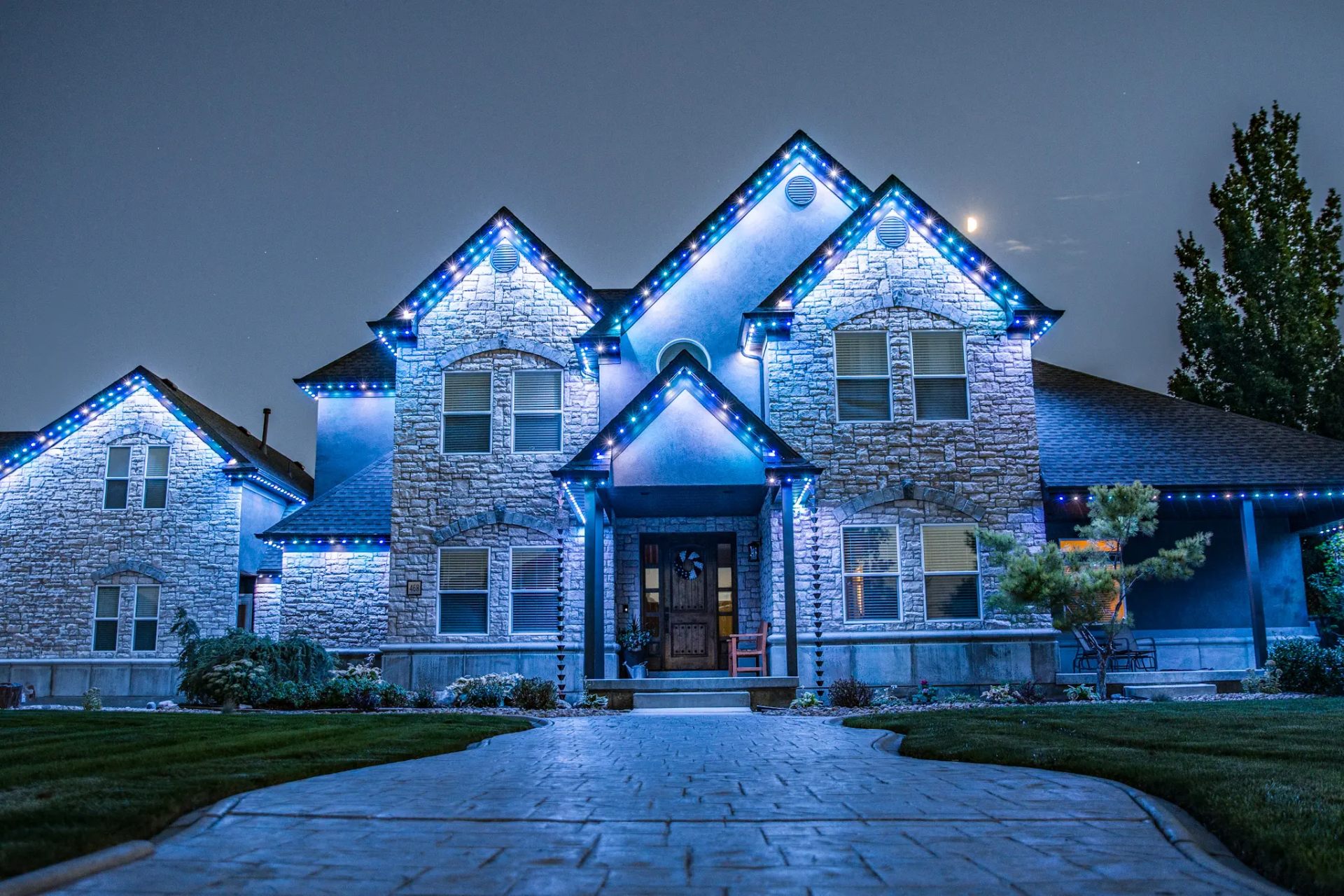
Jellyfish lighting on a smaller ranch home is not just worth it, it is often one of the more straightforward installs since a single-story roofline typically needs less track and fewer transitions than a larger multi-story house. Homeowners sometimes assume a system this customizable is really built for bigger, more architecturally complex homes, but the app, scenes, and year-round convenience apply just as much to a modest ranch.
The cost also tends to scale down with the size of the roofline, since pricing relates to linear footage of track rather than a flat fee regardless of home size.
This post looks at what a ranch home install typically involves, where the value shows up, and how to think about cost relative to a larger home.
What makes ranch rooflines a straightforward fit
A single-story ranch typically has a simpler, lower roofline with fewer peaks and transitions than a two-story colonial or craftsman home. That translates to less track, fewer machined transition pieces, and generally a quicker measuring and installation process.
Lower roof height also usually means easier ladder access during installation, which can make the physical work of mounting track more efficient compared to a taller multi-story home.
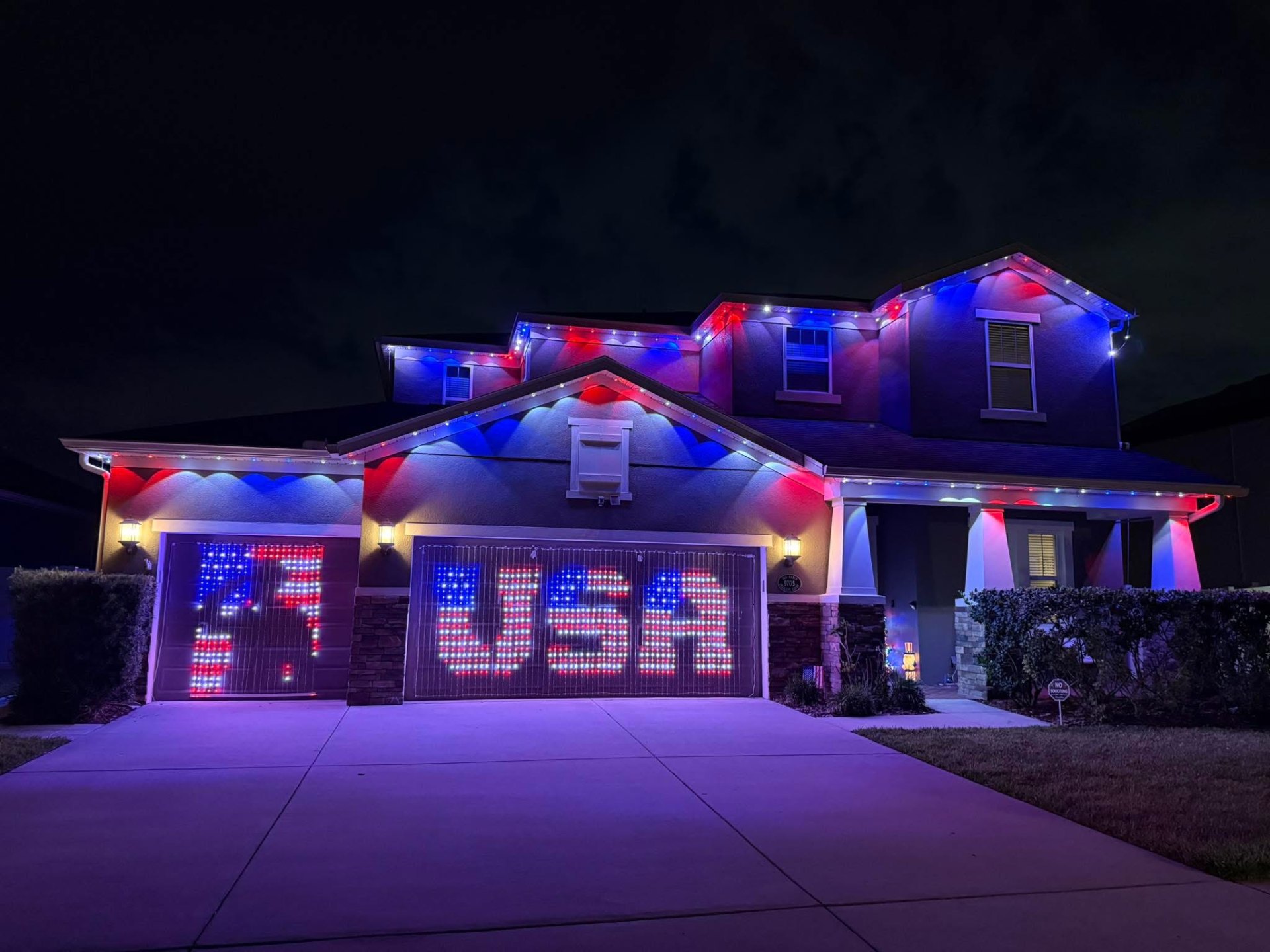
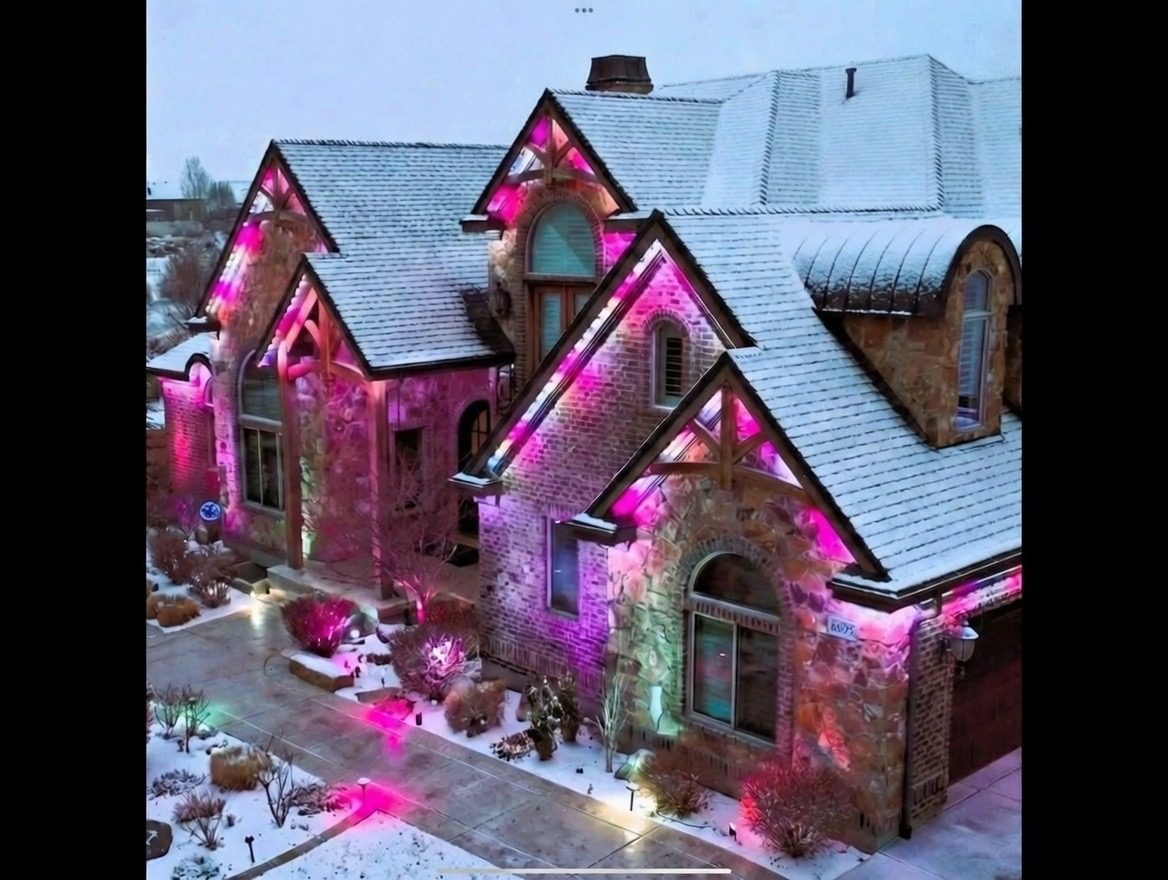
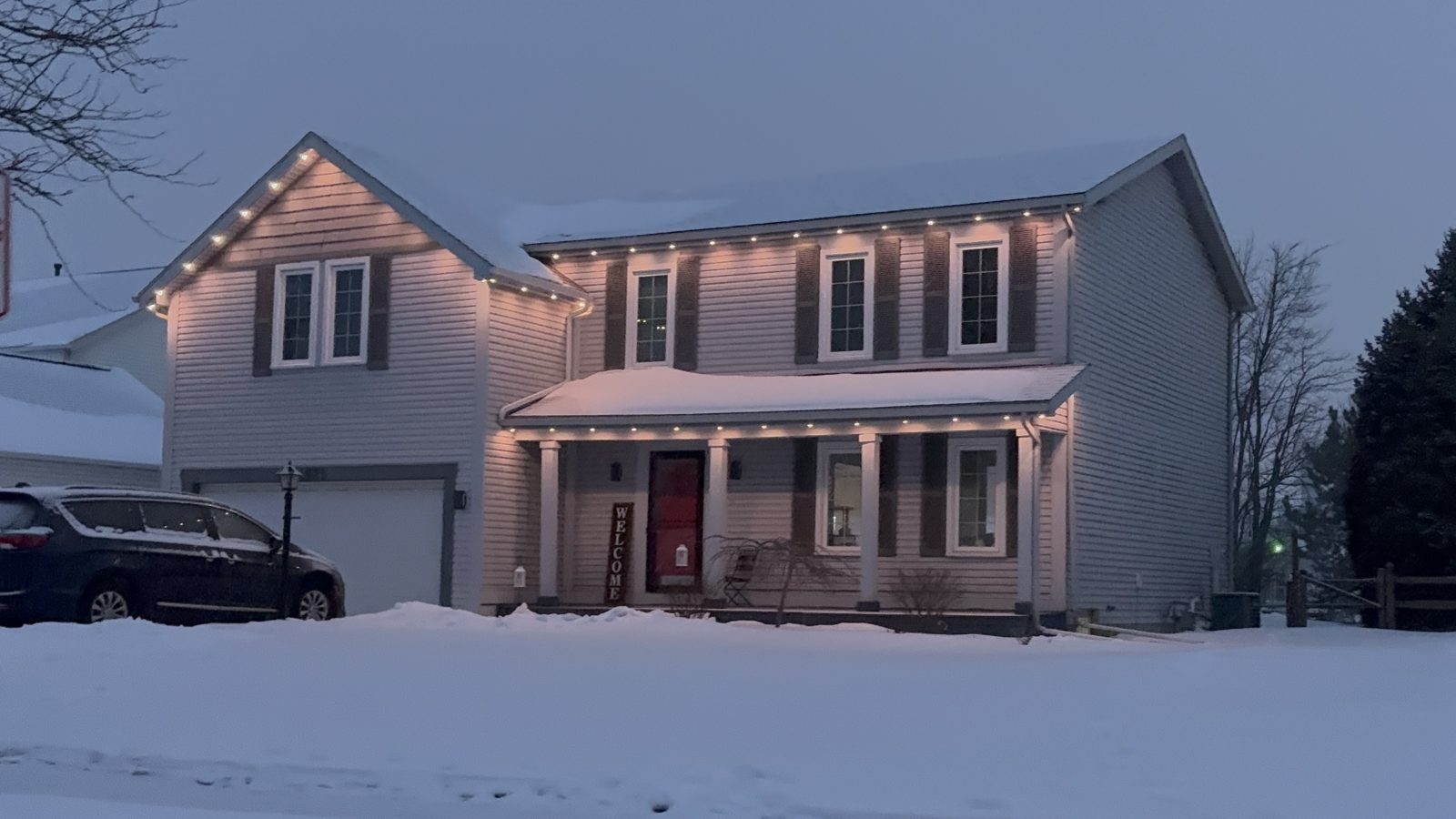
None of this means the finished result looks less impressive. A clean, continuous line of light along a ranch roofline reads just as sharp as a larger home, since the effect comes from consistency and clean transitions rather than sheer square footage.
How cost tends to scale with home size
Pricing for a permanent lighting system is generally tied to the linear footage of track needed, which means a smaller roofline typically costs less than a larger one for the same type of system. This is different from products priced as a flat kit regardless of your home's actual size.
Because of this, a ranch home is often a lower overall investment point of entry into permanent lighting compared to a large two-story home with multiple wings, without giving up any of the app features or scene control.
A free quote is the most accurate way to know your specific cost, since roofline shape and any additional structures still factor in even on a smaller home.
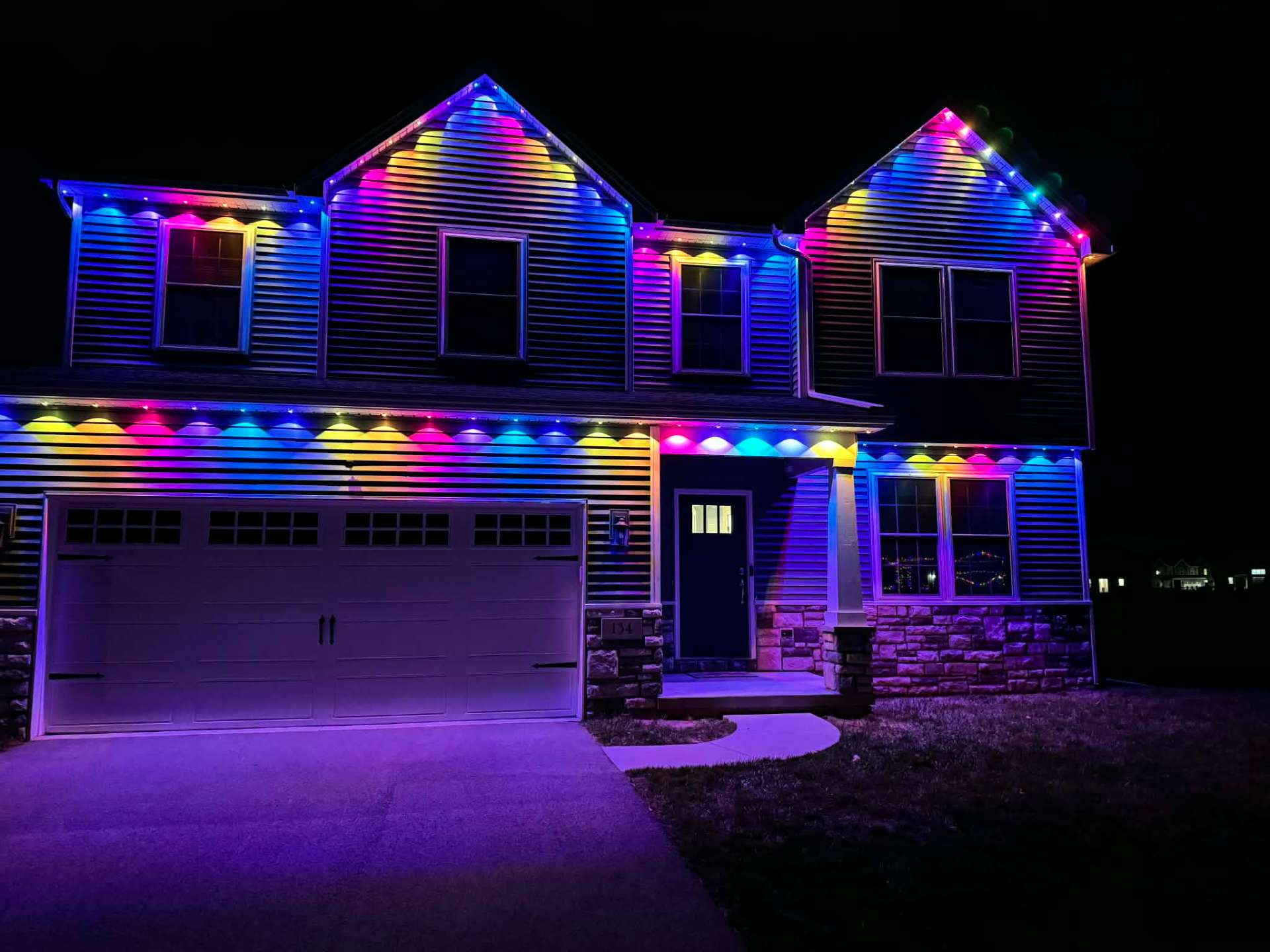
What the app experience looks like on a smaller home
Scene selection, scheduling, and zone options all function the same way regardless of how much track is installed. A ranch home with a single zone can still run the full range of preset and custom scenes available in the app.
Some ranch homeowners choose to skip multiple zones altogether, since a smaller, simpler roofline often reads well as one continuous zone rather than needing several separate sections.
If you do want zone separation, for example a front-facing section versus a back patio-facing section, that is still an option even on a smaller home, covered in our zones setup guide.
Common reasons ranch homeowners choose the system
A lot of ranch homeowners are drawn to the convenience angle just as much as the visual one, especially the ability to skip seasonal holiday light installation and removal entirely once a permanent system is in place.
Others are motivated by wanting a cleaner, more finished look for a home that otherwise reads as fairly plain after dark, since a ranch without any lighting can look flat compared to a fully lit roofline.
Security and visibility around the home at night is another common reason, since a consistently lit roofline improves how visible the property is after dark compared to relying on a single porch light.
- Avoiding seasonal holiday light installation and removal
- A more finished, intentional look after dark
- Improved visibility and presence around the home at night
- Full app control regardless of home size
- A lower overall cost of entry compared to larger homes
What to expect during the site walk
The site walk process is the same regardless of home size, walking the roofline to measure and note any transitions, dormers, or attached structures like a garage. On a ranch home this process is usually quicker simply because there is less roofline to cover.
If your ranch home has an attached or detached garage, that is factored into the same walk and quote, since it is common to light the garage roofline along with the main house. If your home has a mix of roof heights, like a raised ranch with a partial second story, that gets accounted for the same way any multi-peak roofline would be, as covered in our complex rooflines guide.
Overall, a ranch home site walk tends to be one of the more efficient parts of the process from start to finish.
Frequently asked questions
Is Jellyfish lighting less impressive on a smaller home?
No, a clean, continuous line of light on a ranch roofline looks just as sharp as on a larger home. The effect comes from consistency and clean transitions, not sheer size.
Does a smaller home cost significantly less to light?
Generally yes, since pricing relates to the linear footage of track needed, and a ranch roofline typically requires less track than a larger multi-story home.
Can I still use zones and scenes on a smaller home?
Yes, the full app experience, including scenes, scheduling, and optional zones, works the same regardless of home size.
Should I include my garage roofline in the quote?
Many ranch homeowners choose to include an attached or detached garage roofline in the same project, and it is easy to factor into the same site walk and quote.
The bottom line
- Ranch homes typically need less track and fewer transitions, often meaning a shorter install.
- Cost generally scales down with a smaller roofline.
- The full app experience is identical regardless of home size.
- A ranch roofline can look just as striking as a larger home once lit.
- Including a garage roofline is a common and easy addition during the same project.
See what your ranch home could look like lit up
We size the project to your actual roofline, so a smaller home means a smaller, simpler project.
Get a free quote