Hedge Trimming Timing Guide: When to Shape Different Shrub Types
When to trim hedges depends on the shrub type and whether it blooms on old or new wood. This guide breaks down timing for common Northwest Ohio hedges.
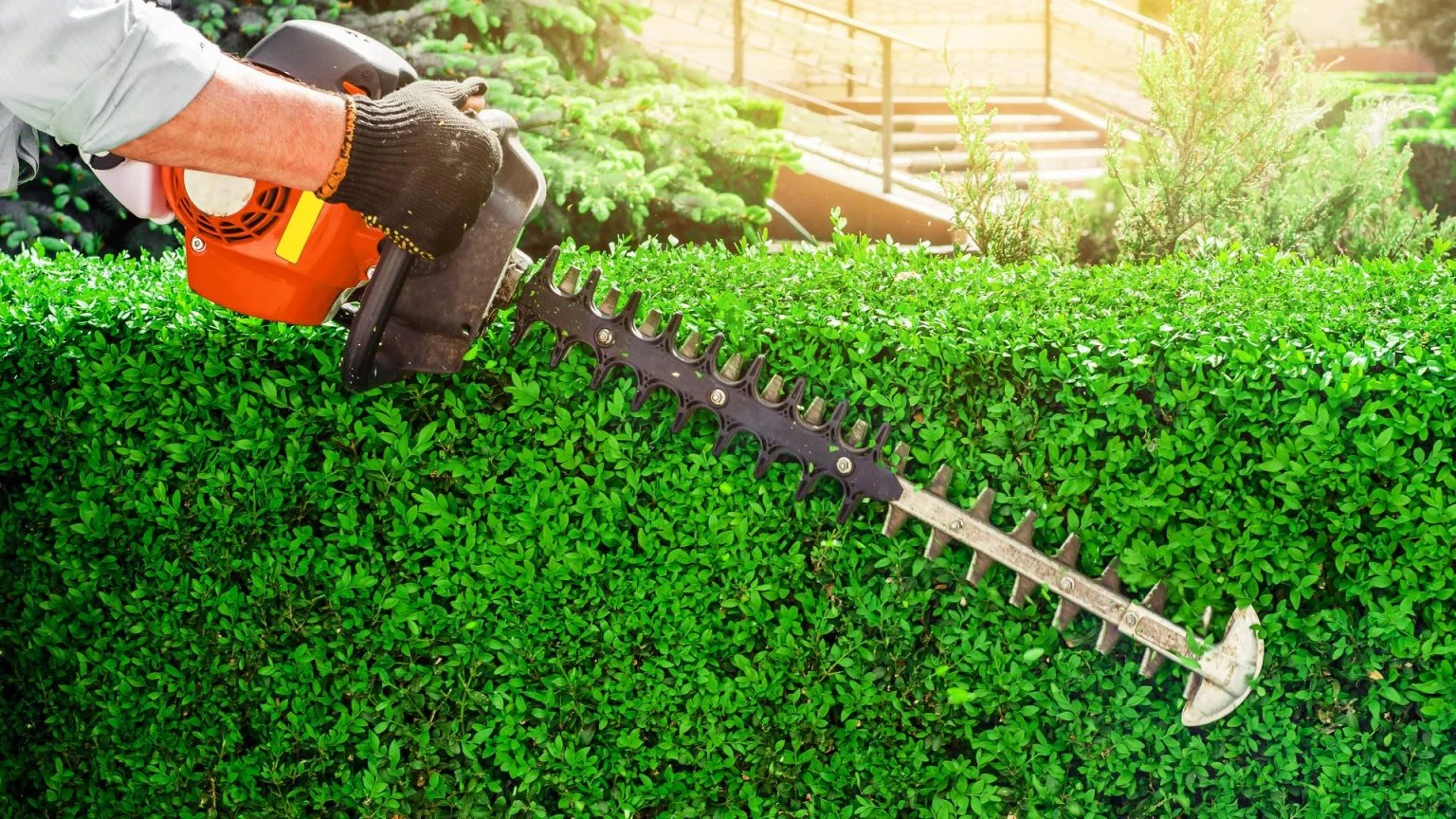
When to trim hedges depends mainly on what type of shrub you are dealing with and, for flowering varieties, whether it blooms on old wood or new wood. Trimming at the wrong time does not usually kill a shrub, but it can cost you a season of blooms or force extra shaping work later.
A lot of homeowners default to trimming everything in spring because that is when yard work naturally starts back up, but that timing is wrong for several common hedge types.
This guide breaks down timing by shrub category so you can match your trimming schedule to what is actually growing in your yard.
Why timing depends on bloom habit, not just the calendar
Flowering shrubs set their flower buds either on old wood, meaning growth from the previous season, or on new wood, meaning growth from the current season. Trimming at the wrong point in that cycle removes the buds before they get a chance to open.
Old-wood bloomers, like lilac and forsythia, form next year's flower buds shortly after this year's bloom finishes, so trimming in late winter or early spring removes those buds before they ever show color.
New-wood bloomers, like many hydrangea varieties and rose of Sharon, form buds on the current season's growth, so late winter or early spring trimming actually encourages more of the growth that will carry blooms.
Timing for spring-blooming shrubs
Lilac, forsythia, azalea, and other spring-blooming shrubs should be trimmed within a few weeks after they finish flowering, giving them the rest of the growing season to set buds for next year.
Trimming these in late winter, which feels like a natural time for yard cleanup, is the single most common timing mistake we see, and it results in a hedge with little or no bloom the following spring.
If a spring bloomer has gotten overgrown and needs a heavier cutback, doing that right after bloom rather than waiting until fall gives it the most time to recover and set buds before next spring.
- Lilac: trim within 2-3 weeks after bloom finishes
- Forsythia: trim right after bloom, before new bud set begins
- Azalea: light shaping right after bloom, avoid heavy cuts late in the season
- Weigela: trim after spring bloom for best next-year flowering
Timing for summer-blooming and new-wood shrubs
Panicle hydrangea, rose of Sharon, and butterfly bush bloom on new growth, so trimming them in late winter or very early spring, before growth resumes, works well and can even encourage fuller blooming.
This is a helpful group to know because it means you can handle spring cleanup trimming on these shrubs without worrying about cutting off buds, unlike the old-wood bloomers above.
Some hydrangea varieties, particularly bigleaf and oakleaf types, actually bloom on old wood, so it is worth confirming your specific variety before assuming all hydrangeas follow the same rule.

Timing for formal evergreen hedges
Boxwood, arborvitae, and privet grown as formal hedges are typically trimmed for shape rather than bloom, so timing is more about growth cycles than flowering.
A first trim in late spring, once the initial flush of new growth has hardened slightly, sets the shape for the season. A second, lighter trim in mid-summer keeps formal hedges crisp through the rest of the growing season.
Avoid heavy shaping cuts in late summer or fall on evergreens, since new growth stimulated by a late trim may not harden off before winter cold, which can lead to dieback on the newest shoots.
Why fall trimming is usually the wrong call
Trimming most shrubs in September or October stimulates a flush of tender new growth that has little time to harden before winter arrives, making that new growth more vulnerable to cold damage.
This applies to both flowering shrubs and evergreens. Fall is a reasonable time for removing dead or damaged branches, but general shaping is better handled earlier in the growing season.
If you are doing a broader fall yard cleanup, it is fine to combine light deadwood removal with that visit, just hold off on a full shaping trim until the appropriate season for that shrub type.
Building a trimming schedule for a mixed hedge row
Many properties have a mix of shrub types along a single hedge row or property line, which means a single trimming date does not fit every plant in that row equally well.
In practice, we schedule trims by shrub group rather than by a single blanket date, doing spring bloomers right after their flowers fade and evergreens on their own late spring and midsummer schedule.
If you are not sure what is planted in your existing hedges, mention that during a trimming visit and we can identify bloom timing before cutting anything back.
Frequently asked questions
What happens if I trim a spring-blooming shrub at the wrong time?
You will likely lose most or all of next season's blooms, since the flower buds for the following year are typically removed along with the cut growth. The shrub itself is usually not harmed long-term.
Can I trim evergreens in fall if they look overgrown?
It is better to wait until late spring or do only light deadwood removal in fall. Heavy trims in fall stimulate new growth that may not harden off before winter cold.
How do I know if my hydrangea blooms on old or new wood?
Panicle and smooth hydrangeas typically bloom on new wood, while bigleaf and oakleaf hydrangeas usually bloom on old wood. Checking the specific variety is the most reliable way to confirm before trimming.
How often do formal hedges need trimming during the season?
Most formal evergreen hedges benefit from a shaping trim in late spring and a lighter follow-up trim in midsummer to stay crisp through the rest of the season.
The bottom line
- Match trimming timing to bloom habit, not just a fixed calendar date.
- Spring bloomers should be trimmed right after they finish flowering.
- Summer bloomers and evergreens generally tolerate late winter or early spring trimming.
- Avoid heavy shaping cuts in fall since new growth may not harden off before winter.
- Mixed hedge rows often need different trim schedules by shrub type.
Get your hedges trimmed at the right time
We schedule trimming by shrub type so you keep blooms and healthy growth instead of guessing at timing.
Explore trimming services