
How Often Should You Refresh Mulch in Northwest Ohio?
How often mulch beds need a refresh in Northwest Ohio depends on the mulch type and bed conditions. Here's a realistic timeline for our climate.
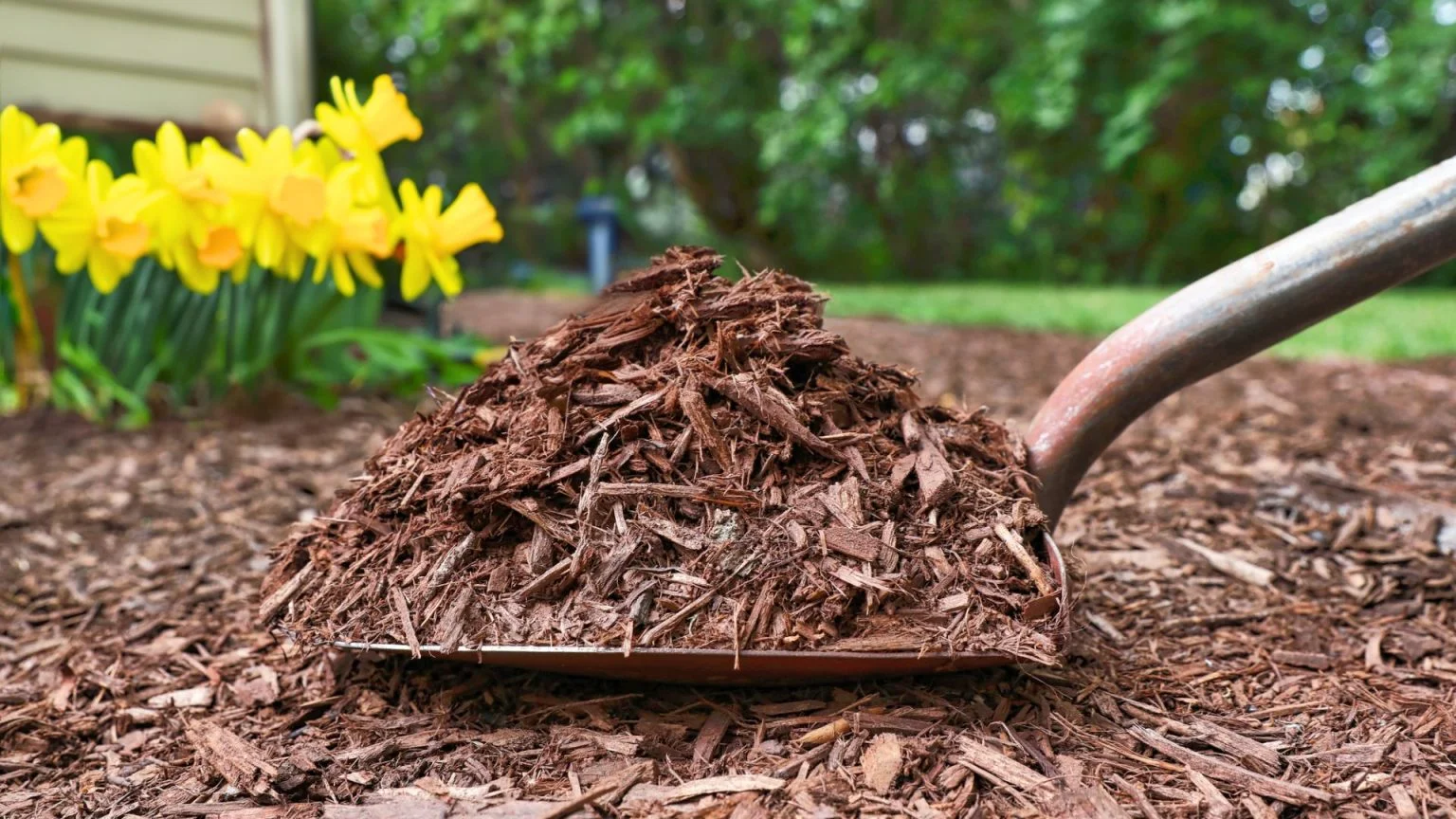
How often mulch beds need refreshing in Northwest Ohio usually comes down to once a year for most hardwood mulch, though the exact timing depends on the product, sun exposure, and how much the existing layer has broken down.
We get this question a lot from homeowners who are not sure if last year's mulch still counts, or if it needs to be pulled and replaced every spring no matter what.
This post covers a realistic refresh schedule for our climate, what actually wears mulch out faster, and how to tell if your beds need attention now versus later in the season.
What actually determines mulch lifespan here
Northwest Ohio gets a real mix of hot, humid summers and cold, wet winters, and both extremes break mulch down. Freeze-thaw cycles in late winter physically shift and compact mulch, while summer humidity speeds up decomposition, especially for finer-textured products.
Beds that get full sun all day tend to fade and break down faster than shaded beds, since UV exposure degrades color pigments and dries out the wood fibers faster.
Drainage matters too. A bed that holds water after rain will break down mulch faster than one with good runoff, since constant moisture accelerates decomposition.
A realistic refresh timeline by mulch type
Dyed mulches tend to hold visible color for close to a full year before noticeably fading, even though the wood underneath is decomposing at a similar rate to undyed products. Natural, undyed hardwood mulch fades faster in appearance but is functionally similar underneath.
Most of our customers refresh mulch beds once a year, typically in spring, with a thinner top-dress layer rather than pulling out the old material first.
Some beds, especially shaded ones or those with a heavier initial application, can go closer to 18 months before needing attention, though this varies by yard.
- Full sun beds: refresh close to annually
- Shaded beds: can often stretch to 12-18 months
- Dyed mulch: color holds longer, function fades at a similar rate to natural mulch
- Poorly draining beds: decompose faster and need more frequent attention
Top-dressing versus full replacement
You do not need to remove old mulch every time you refresh a bed. In most cases, a 1 to 2 inch top-dress layer over the existing, partially broken-down mulch restores color and function without the extra labor of a full tear-out.
Full replacement makes more sense when the old mulch has compacted into a dense mat, when there is a weed problem underneath, or when the bed has built up too much depth over several seasons of top-dressing without ever removing material.
We generally recommend checking total mulch depth every couple of years, since layering on top-dress indefinitely can eventually create a mulch layer that is too deep for healthy root and moisture conditions.

Signs your beds need a refresh now
Faded, gray, or silvery mulch is the most obvious visual sign, but it is not always the most important one. Mulch that has broken down into fine, soil-like texture with almost no visible wood chips has largely lost its weed-suppression and moisture-retention benefits.
Bare patches where mulch has washed away or thinned out during winter are also worth addressing, since exposed soil invites weed growth and moisture loss faster than a maintained mulch layer.
If you are noticing more weeds pushing through than in past years, that is often a sign the mulch layer has thinned below an effective depth, even if the color still looks reasonable.
Why timing your refresh matters beyond looks
Spring refreshes are popular because they coincide with the start of the growing season and give beds a clean look heading into the year most people spend outside. That said, refreshing in fall before winter can help protect plant roots from freeze-thaw cycles.
If you are only refreshing once a year, spring timing after the ground has thawed and before weeds get established tends to give the most practical benefit.
For beds around new plantings from a landscape design project, we often recommend a fresh mulch layer at installation and then a normal annual schedule after that.
How mulch depth affects how often you need to refresh
A properly applied mulch layer of about 2 to 3 inches breaks down more slowly and evenly than a thin, patchy application, simply because there is more material to decompose before the ground shows through.
Beds that were under-mulched to begin with tend to need attention sooner, since there is less buffer before bare soil and weeds become visible.
According to Ohio State University Extension's mulch guidance, maintaining consistent depth matters more for plant health than chasing a particular refresh schedule.
Frequently asked questions
Do I need to remove old mulch before adding new mulch?
Not usually. A thin top-dress layer over existing, partially broken-down mulch works fine in most beds. Full removal only makes sense when mulch has compacted heavily or built up too much total depth over time.
Is faded mulch bad for my plants?
Faded color alone does not mean mulch has stopped working. What matters more is whether the layer still has enough depth and texture to suppress weeds and retain moisture.
How often should I refresh mulch around new landscaping?
New beds typically get a mulch layer at installation, then follow a normal annual or near-annual refresh schedule after the first season.
Can I refresh mulch in fall instead of spring?
Yes. Fall mulching can help protect roots through winter freeze-thaw cycles, though most homeowners in this area prefer a spring refresh for appearance heading into the season.
The bottom line
- Most Northwest Ohio beds need a mulch refresh close to once a year.
- Sun exposure, drainage, and mulch type all affect how fast it breaks down.
- Top-dressing existing mulch is usually enough; full replacement is only needed occasionally.
- Faded color is not the only sign to watch for; thinning depth matters more.
- Spring is the most common refresh window, though fall has its own benefits.
Ready for a mulch refresh this season
We can evaluate your beds and recommend a top-dress or full replacement based on what they actually need.
Explore mulch services