Custom Exterior Lighting Design That Fits
Custom exterior lighting design adds curb appeal and flexibility with a layout planned around your home's architecture and daily routine.
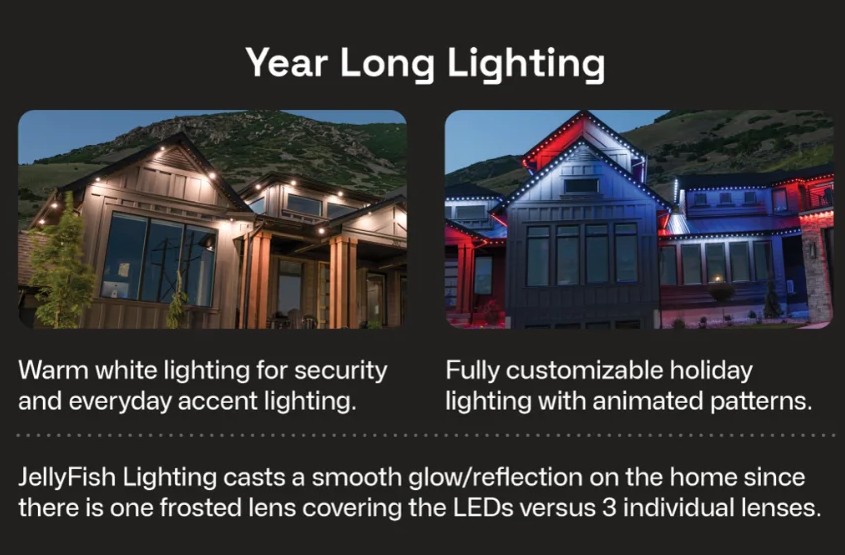
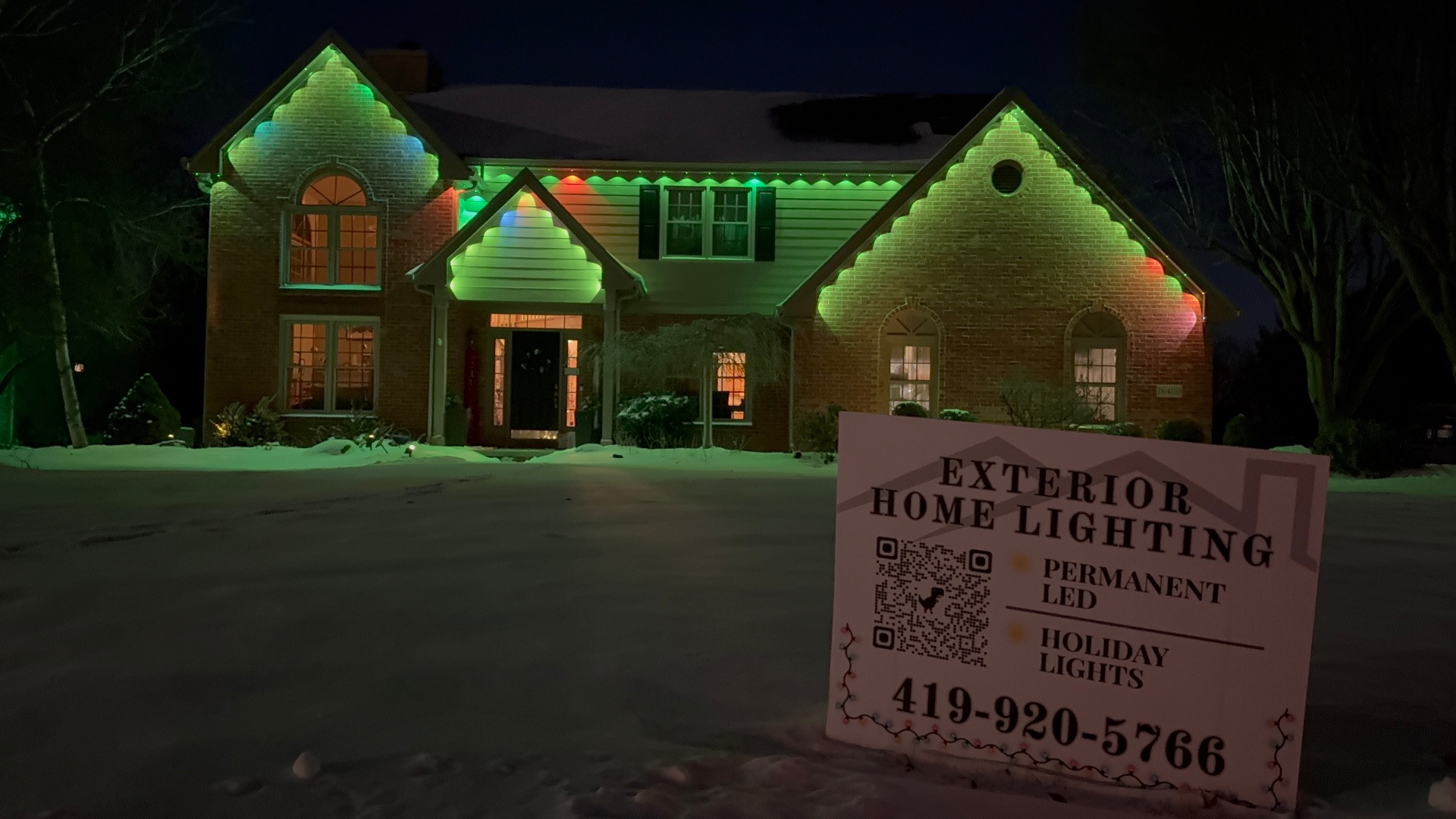
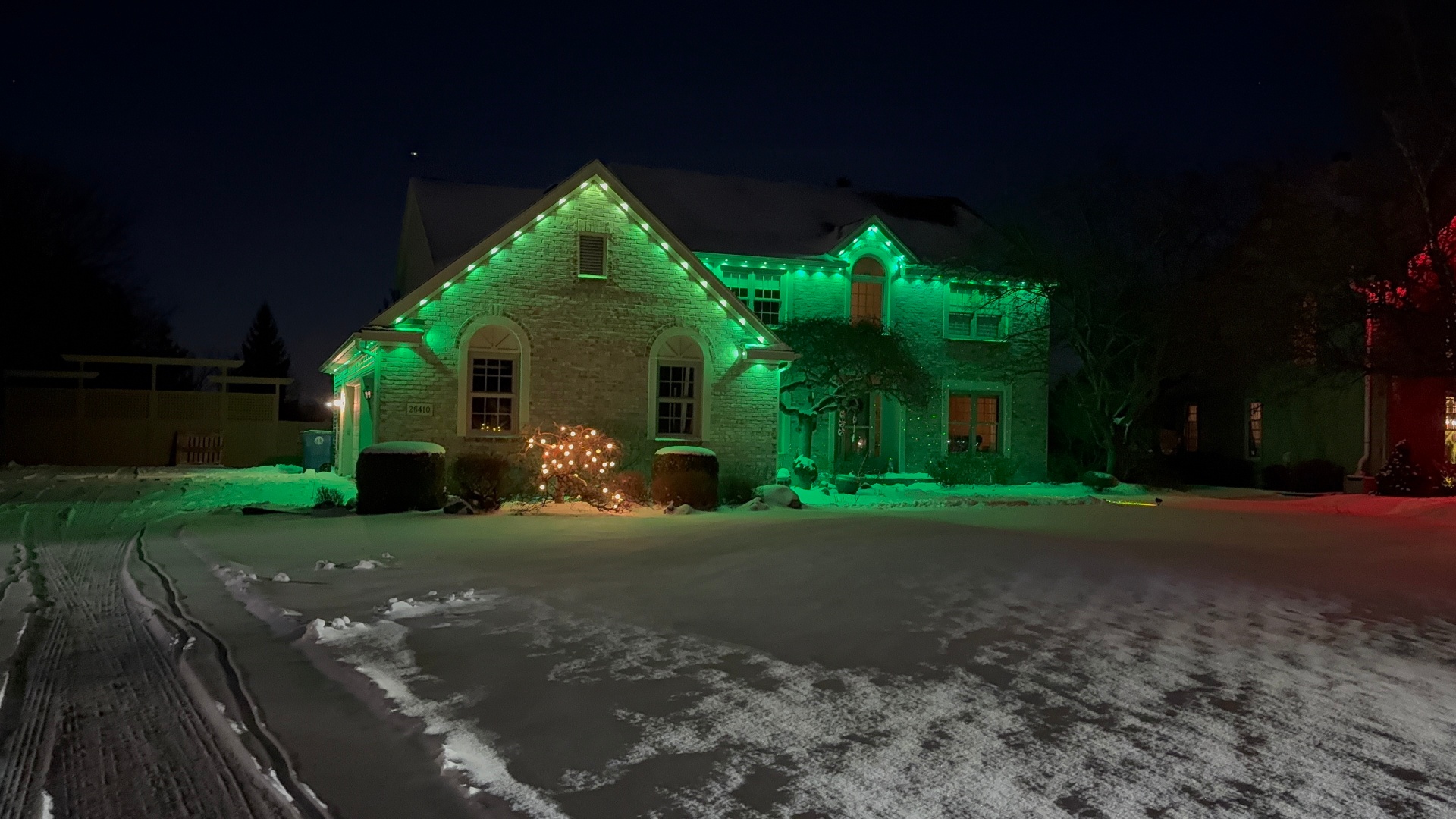
Custom exterior lighting design starts with the architecture your home already has, not a generic strand run along the gutter line. When track follows the roofline, peaks, and columns, the fixture disappears in daylight and only the light shows at night.
Here is how we approach a custom layout on real homes across Northwest Ohio, from the initial walk to the details that make a design feel built specifically for your house rather than a one-size-fits-all install.
Start with the architecture, not the lights
Good permanent lighting follows the lines your home already has: the roofline, the peaks, the columns, the gable returns. When the track hugs those lines, the fixture disappears in daylight and only the light shows at night.
This is the biggest difference between a custom design and a generic strand run. A generic strand ignores your home's actual shape; a custom layout is built around it.
What a real site walk covers
Before anything gets quoted, a proper site walk maps your exact rooflines, existing power access, and where a controller can be mounted with a stable Wi-Fi signal.
This is also when transition points, valleys, and corners get planned, since those are the spots where a rushed install tends to look uneven or gap over time.
Layering light for depth, not just brightness
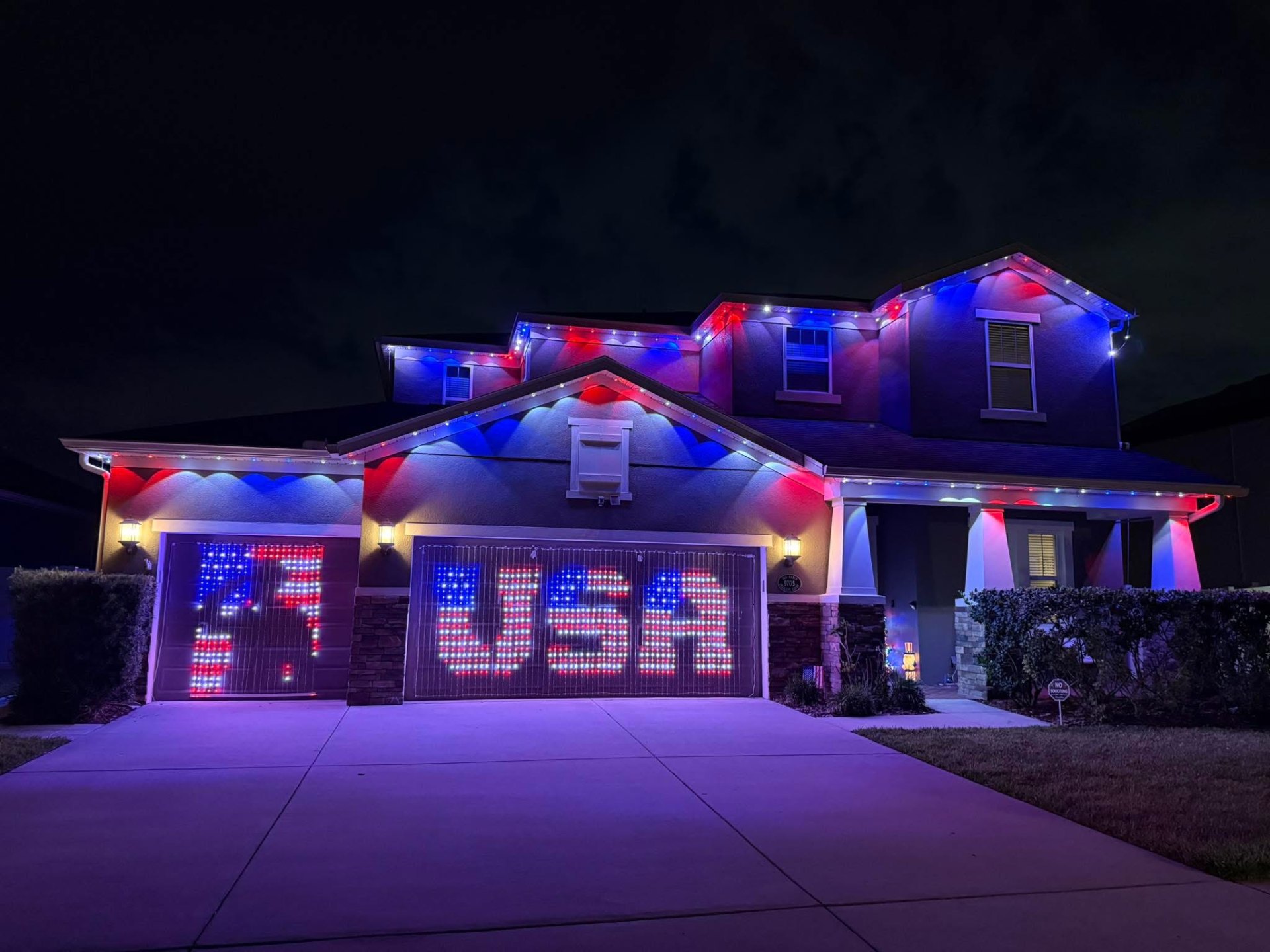
A strong custom design layers roofline lighting with landscape lighting on trees and beds, plus patio lights for outdoor living areas.
That layering creates depth across the whole property instead of a single flat plane of light along the roof edge, which is what separates a designed look from a basic install.

Matching spacing and diode choice to your primary color
If warm white is your everyday choice, spacing and diode density can be optimized differently than a design built primarily around vivid RGB scenes.
Deciding your primary use case before installation, whether that is Jellyfish or Govee, helps determine the right product line and spacing for your specific roofline.
Designing for flexibility, not just one look
A custom design should still leave room to shift into holiday colors, team colors for game days, or an away scene, without needing to reinstall anything.
This is where scene planning during setup matters. A layout built only around one static color limits what you can do with it later.
Extending the design beyond the roofline
Custom exterior design often includes elements like Saber wall-wash fixtures for architectural columns, or dock lighting for waterfront properties.
The goal across every element is the same: light that follows your property's actual features rather than a generic template applied to any house.
What to bring to your design consultation
Photos of your home at different times of day help, along with any specific areas you want emphasized, like a front entry, a patio, or a favorite tree.
Mentioning your primary use case (everyday warm white, frequent holiday displays, entertaining) upfront helps shape a design that fits how you actually live outside.
Frequently asked questions
How is custom lighting design different from a standard install?
A custom design is planned around your home's specific architecture, power access, and how you plan to use it, rather than a generic layout applied to any roofline.
Can I combine roofline lighting with landscape and patio lighting?
Yes, layering these together is common in a full custom design and creates more depth than roofline lighting alone.
Do I need to decide on colors before the design consultation?
It helps to know your primary everyday color preference, since it affects spacing and diode density, but final scene choices can still be adjusted after installation.
Is a custom design more expensive than a standard install?
Cost depends on your home's specific layout and chosen product line, not on the design process itself. A site walk gives you an accurate, specific quote.
The bottom line
- Custom design follows your home's actual architecture instead of a generic template.
- A proper site walk plans power, controller placement, and transitions before quoting.
- Layering roofline, landscape, and patio lighting adds real depth to the result.
- Plan for scene flexibility so the design supports more than one look over time.
Get a lighting design built around your home
We'll walk your property, map your architecture, and build a layout that fits your home and how you actually use your outdoor space.
Explore Jellyfish lighting