Seasonal Yard Cleanup Services That Pay Off
Seasonal yard cleanup services keep your property tidy, protect your landscaping and lighting, and improve curb appeal in every season.
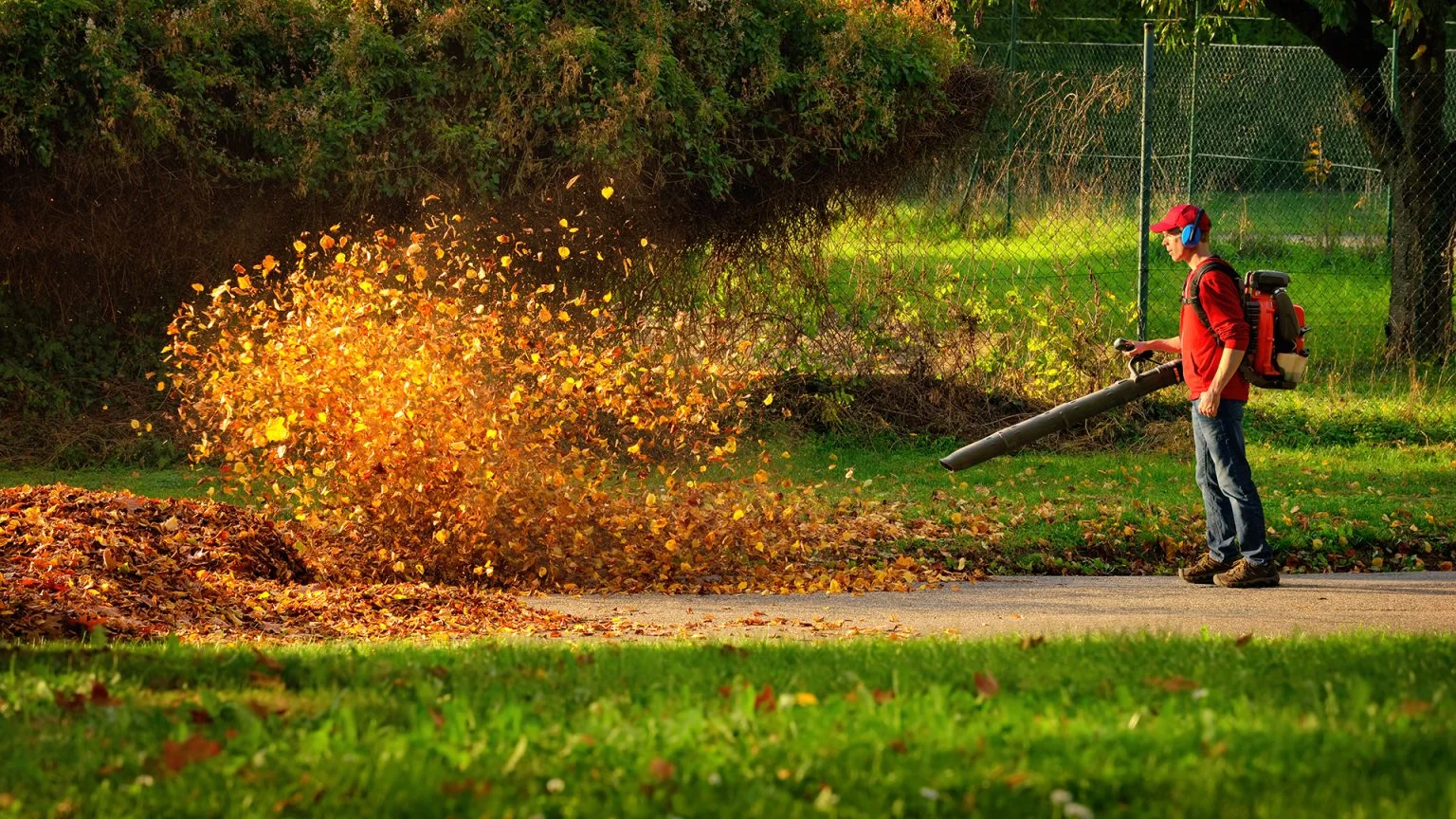
Seasonal yard cleanup services clear leaves, debris, and overgrowth at the points in the year when they build up fastest, spring thaw and fall leaf drop, so the property stays healthy and presentable between them. Skipping a season usually means a bigger, more expensive cleanup later.
Beyond appearance, cleanup protects other investments on the property. Overgrown beds swallow landscape lighting fixtures, and packed leaves against a roofline can affect lighting track and gutters alike.
Here's what seasonal cleanup actually covers, when it matters most, and how it connects to the rest of your property's upkeep.
Why cleanup timing matters more than frequency
A single yearly cleanup often misses the two windows that matter most: early spring, when winter debris and dead growth need clearing before new growth starts, and fall, when leaf drop can bury beds and lawns within a couple of weeks. Timing cleanup around these windows keeps the yard from ever reaching an overwhelming state.
Properties that skip a season typically need a longer, more labor-intensive cleanup the next time around, since debris compacts and plant material becomes harder to remove once it's been sitting for months.
What a thorough cleanup actually includes
A full seasonal cleanup covers leaf and debris removal from lawns and beds, cutting back dead perennial growth, clearing gutters where accessible, and edging beds to define clean lines. Some properties also need light pruning to remove damaged branches before new growth season.
The Ohio State University Extension publishes seasonal yard care guidance that lines up closely with what we see driving the timing of these services locally.
- Leaf and debris clearing from lawns, beds, and hardscape
- Cutting back dead perennial growth before spring green-up
- Bed edging to maintain clean, defined lines
- Light pruning of damaged or overgrown branches
- Clearing debris away from foundations, walkways, and fixtures
How cleanup protects your lighting investment
Leaves packed against roofline lighting track can trap moisture and hide small issues from view, while overgrown shrubs frequently swallow landscape uplights entirely, cutting off light that should be highlighting a tree or facade. A cleanup that includes clearing around fixtures keeps a landscape lighting design looking the way it was designed to look.
This is one reason we recommend cleanup as a companion service for any property with permanent lighting installed, not just a separate landscaping task.
Cleanup and mulch go together
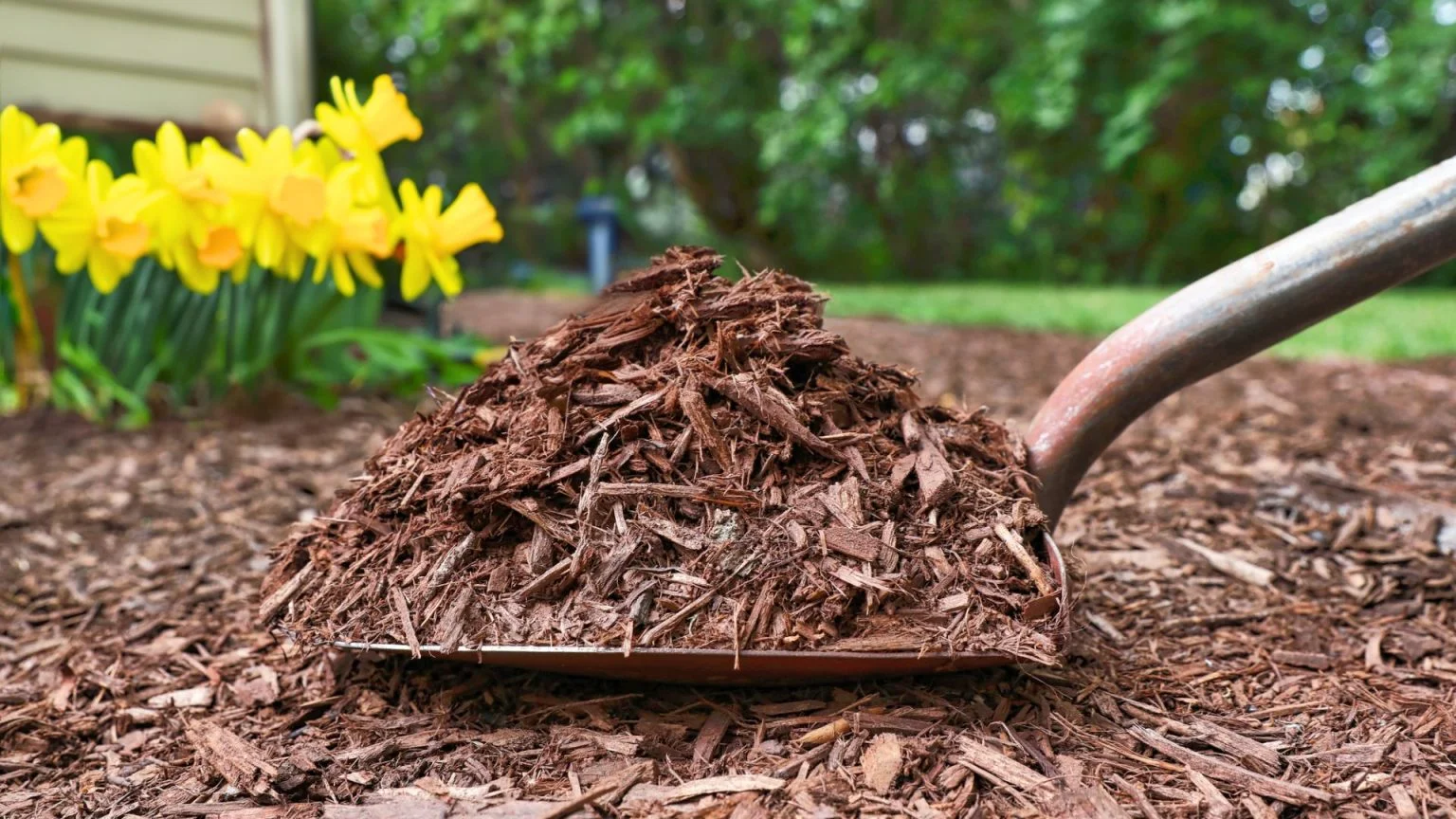
A fall or spring cleanup is the natural point to refresh mulch, since beds are already cleared of debris and ready for a fresh layer. Fresh mulch after cleanup also helps suppress weeds through the next growing season and gives beds a finished look right when the rest of the yard is tidy too.
Doing both at once, rather than as separate visits months apart, is usually more efficient for both the property and the schedule.
What happens if cleanup gets skipped
Skipped cleanup compounds. Leaves left through winter mat down and smother grass underneath, dead perennial stalks left standing can host pests through the following season, and overgrown beds become harder and more expensive to bring back into shape the longer they're left.
None of this is dramatic on its own, but it adds up to a property that always looks slightly behind, and a bigger bill when a full reset finally happens.
How cleanup fits with the rest of a property's care
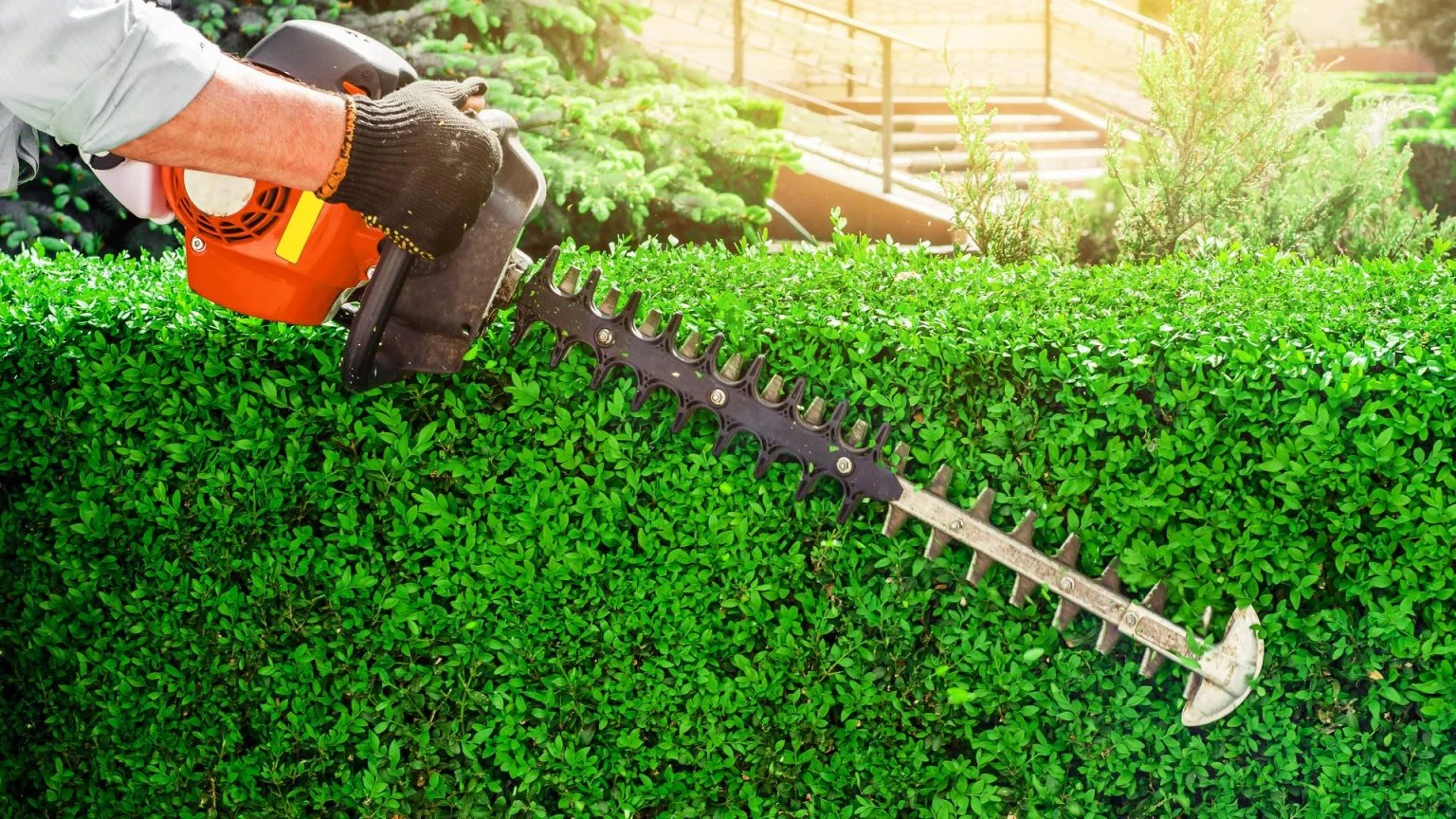
Cleanup pairs naturally with trimming for shrubs and small trees, and with power washing for hardscape surfaces that collect grime over a season. Properties with ponds or water features also benefit from a coordinated cleanup pass, since debris in beds often ends up in nearby water features if left unaddressed.
Scheduling these together reduces the number of separate visits a property needs across a year.
Setting up a cleanup schedule that works
Most properties in our service area do well with two scheduled cleanups a year, spring and fall, with occasional touch-ups depending on tree cover and bed size. Homes with heavy tree canopy, common in older neighborhoods around Sylvania and Ann Arbor, may need an extra fall visit to keep up with leaf volume.
A quick walk of the property helps determine the right cadence for your specific yard rather than applying a one-size schedule.
Frequently asked questions
How often should yard cleanup happen?
Most properties do well with a spring and a fall cleanup at minimum. Homes with heavy tree cover or larger beds may need an additional visit depending on debris volume.
Does cleanup include gutter clearing?
Basic accessible gutter clearing can be included depending on the property and access. Ask about this specifically when scheduling if it's a priority for your home.
Should I schedule cleanup before or after mulch is applied?
Cleanup should happen first, since mulch goes down after beds are cleared of leaves and debris. We typically schedule both in the same visit for efficiency.
Will cleanup damage my landscape lighting fixtures?
No, our crews work around installed lighting and landscaping carefully, and cleanup actually protects fixtures by clearing debris that would otherwise bury or block them.
The bottom line
- Spring and fall cleanups address the seasonal buildup that causes the most long-term issues.
- Cleared beds and lawns protect landscape and roofline lighting from being buried or blocked.
- Skipping a season leads to a larger, more expensive cleanup later.
- Cleanup pairs naturally with mulch refresh and trimming for efficiency.
- A quick property walk determines the right cleanup schedule for your specific yard.
Keep your yard and lighting looking their best year-round
Schedule a seasonal cleanup that protects your landscaping and lighting investment together.
Explore cleanup services