How to Plan Business Landscaping That Lasts
Business landscaping that lasts is planned around real maintenance schedules, traffic flow, and lighting, not just how it looks on install day.
Business landscaping that lasts is planned around maintenance reality first, not just how good it looks the day it's installed. Plant choices, bed layout, and traffic flow all decide whether a property still looks sharp three seasons later or starts looking tired by the following summer.
We design and maintain commercial landscaping across Northwest Ohio, and the properties that hold up best share a few things in common regardless of budget.
Start with maintenance capacity, not plant catalogs
The most common reason commercial landscaping looks great for one season and rough after that is a design chosen without considering who will maintain it and how often. If your property gets a maintenance visit every few weeks, choose plants and layouts that can go that long between visits without looking overgrown.
A landscape design built around your real maintenance schedule, rather than a magazine-ready plan that assumes weekly attention, is what actually holds up.
Choose plants suited to the site, not just the season
Plants that struggle with a site's actual sun exposure, soil drainage, or salt exposure near parking lots and sidewalks will decline no matter how well they're initially installed. Ohio State University Extension has regional plant guidance that's a useful starting point for matching species to Northwest Ohio conditions.
Native and regionally adapted plants also tend to need less supplemental watering and fewer pest interventions once established, which lowers the maintenance burden over time.
Design bed layouts for efficient maintenance
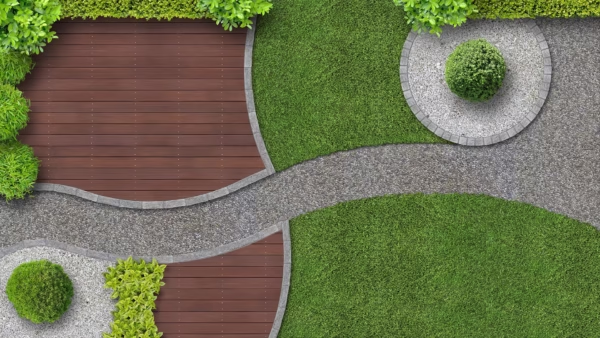
Curved beds with tight inside corners and narrow strips of grass between beds and pavement look fine on a design rendering but are slow and awkward to mow and edge in practice. Simpler shapes with clean sightlines for mowing crews save real labor hours over the life of the property.
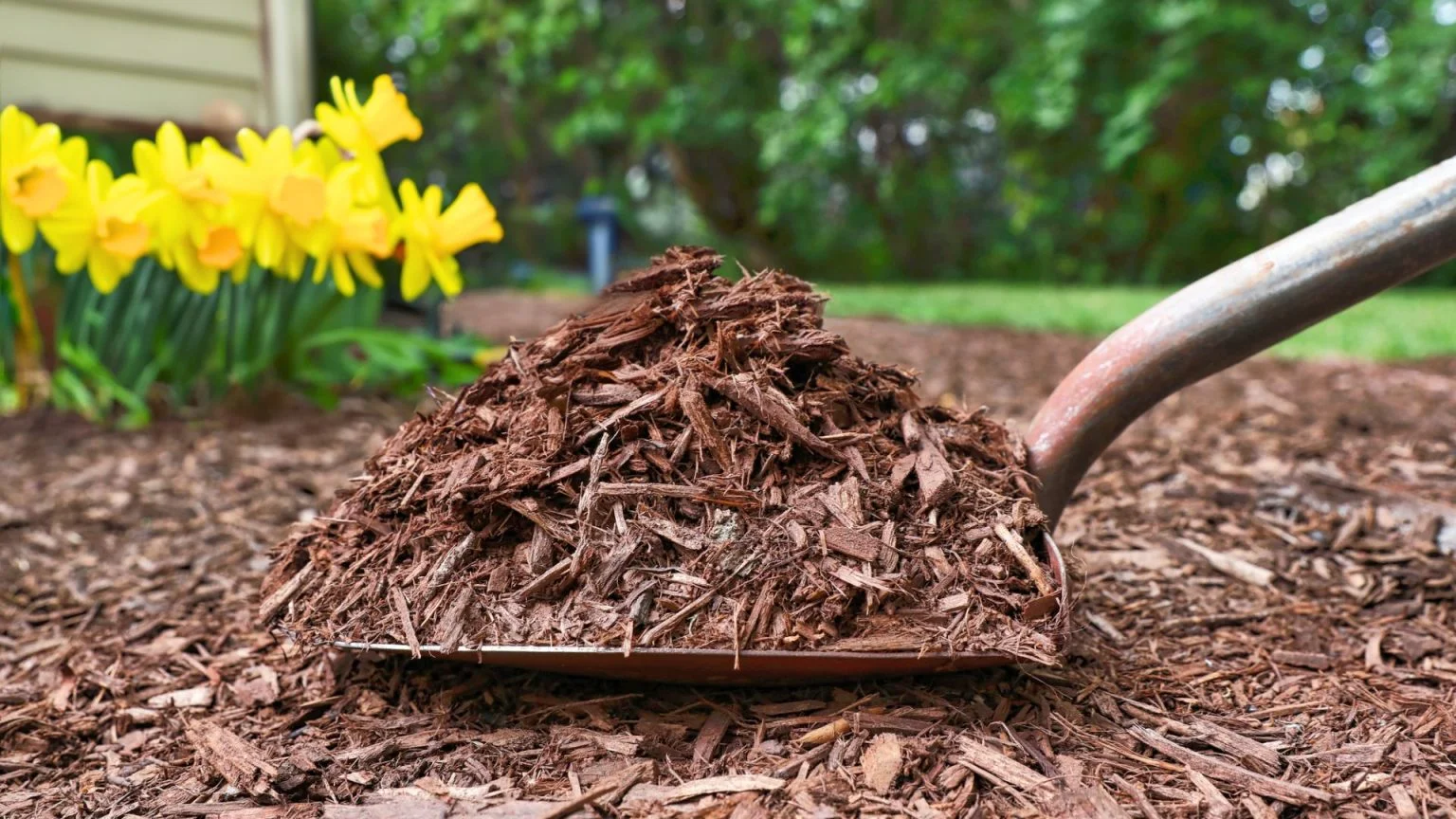
Consistent mulch bed depth and width also matter, since beds that are too narrow get overrun by turf encroachment and beds that are too wide become expensive to refresh every year.
- Favor simpler bed shapes over tight curves that slow mowing crews
- Keep consistent mulch bed width for easier annual refresh
- Group plants by water and sun needs to reduce inconsistent maintenance
- Leave clearance around walkways and entrances for growth over time
Plan for growth, not just install day
Shrubs and trees planted at a size that looks proportional on day one often outgrow their spot within a few years, crowding walkways or blocking signage. Planning spacing around mature size, not just current size, avoids a round of expensive corrective trimming or removal down the line.
This is especially important near entrances, parking lot sightlines, and any landscape lighting fixtures, since overgrown plants can block both visibility and light output.
Add lighting to the plan early
Lighting works best when it's planned alongside the landscaping design rather than added afterward, since wiring runs and fixture placement are far easier to plan before beds are finished and mulched. A permanent lighting system on the building and landscape lighting on entrance beds can be designed together for one cohesive after-hours look.
This also avoids the common retrofit problem of running new wire through an already-established, mulched bed.
Build in a seasonal maintenance schedule from day one
A seasonal cleanup and maintenance plan built at the same time as the initial design keeps everything on schedule instead of reacting to problems after they're visible. Spring bed refresh, summer trimming, fall cleanup, and winter protection each have a role in keeping a commercial property presentable year-round.
Properties that treat maintenance as a line item from the start, rather than an afterthought once things look overgrown, consistently look better three and five years out.
Frequently asked questions
How often should commercial landscaping be maintained?
It depends on plant choices and bed complexity, but most commercial properties benefit from a maintenance visit every two to three weeks during the growing season, plus dedicated spring and fall cleanups.
Should lighting be planned with landscaping or added later?
Planning both together is more efficient and less expensive, since wiring can be run before beds are finished rather than retrofitted through established plantings.
What's the biggest mistake in commercial landscape design?
Designing for how a property looks on install day rather than how it will look and how easy it will be to maintain two or three years later, once plants have matured and beds need consistent upkeep.
Do native plants really reduce maintenance costs?
Regionally adapted plants generally need less supplemental watering and are more resistant to local pests and diseases, which reduces both labor and material costs over time.
The bottom line
- Design landscaping around your real maintenance schedule, not an ideal one.
- Match plants to the site's sun, soil, and traffic conditions, not just trends.
- Simple, efficient bed layouts save real labor hours over the property's life.
- Plan for mature plant size and lighting integration from the start.
- Build a seasonal maintenance plan into the design instead of reacting later.
Design commercial landscaping built to last
We'll plan your property's beds, plantings, and maintenance schedule together so it still looks sharp years from now.
See landscape design services