Roofline Lighting Before After Example Ideas
See roofline lighting before after example ideas and learn how permanent lighting changes curb appeal, security, and year-round decorating.
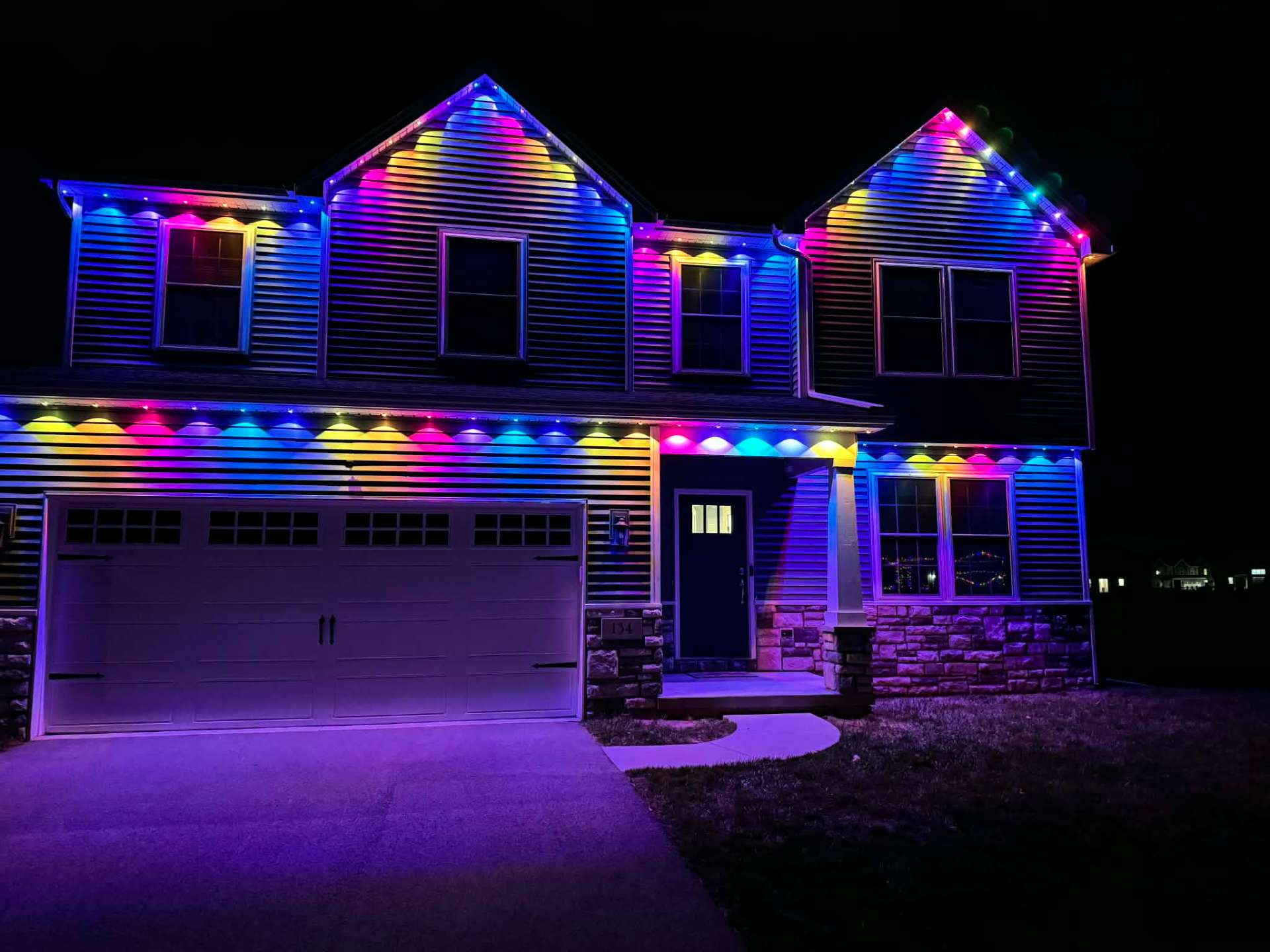
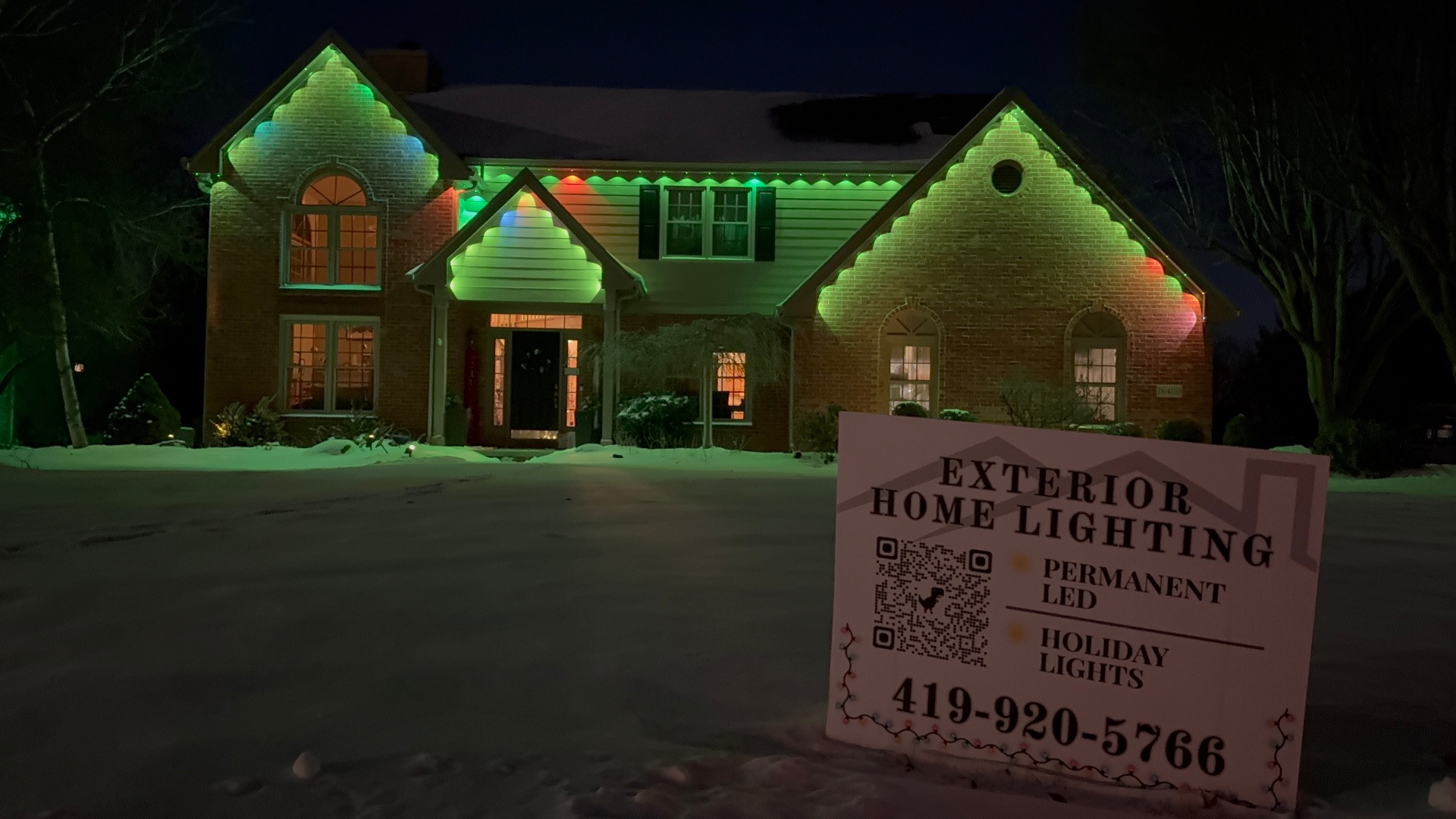
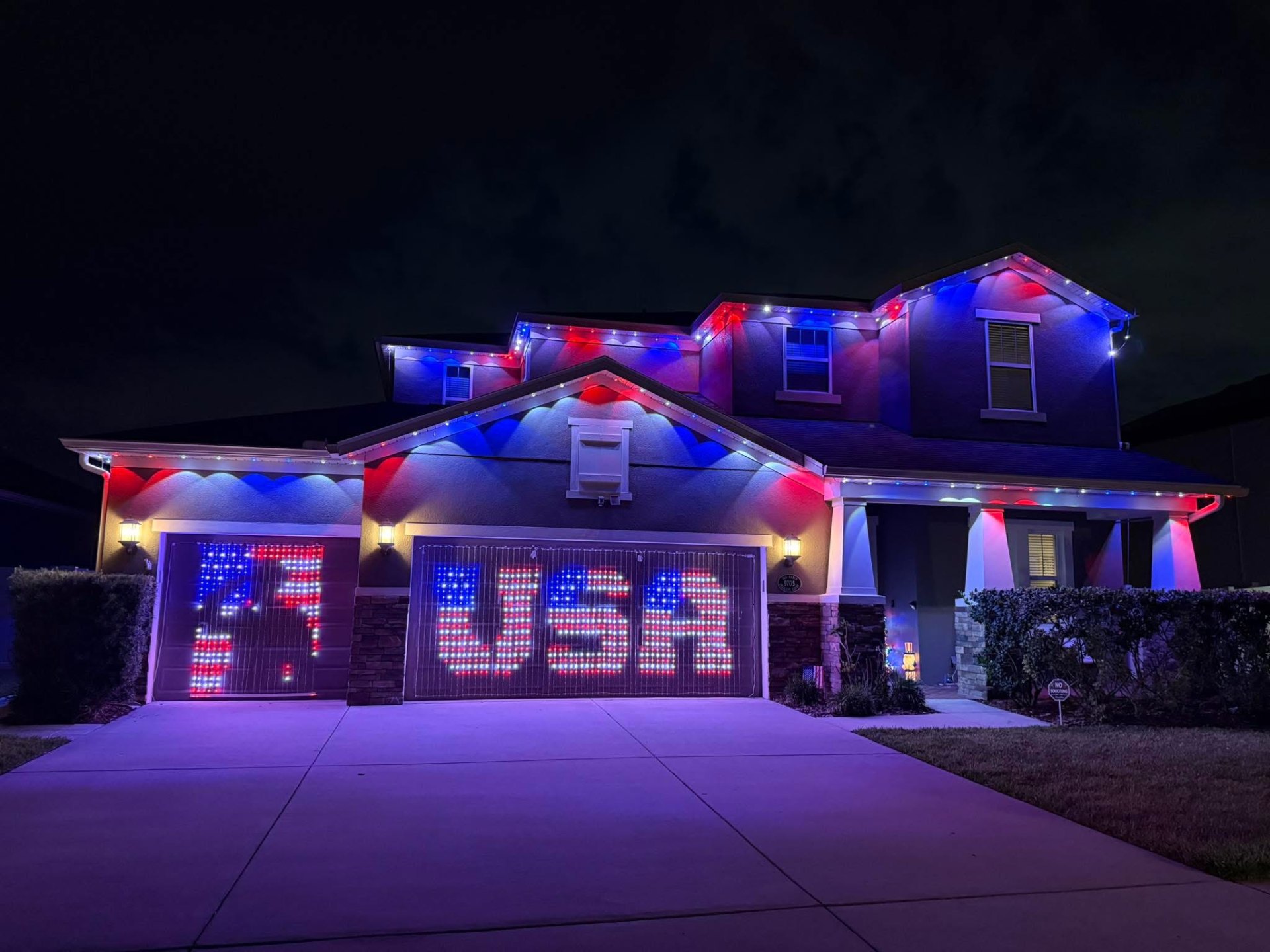
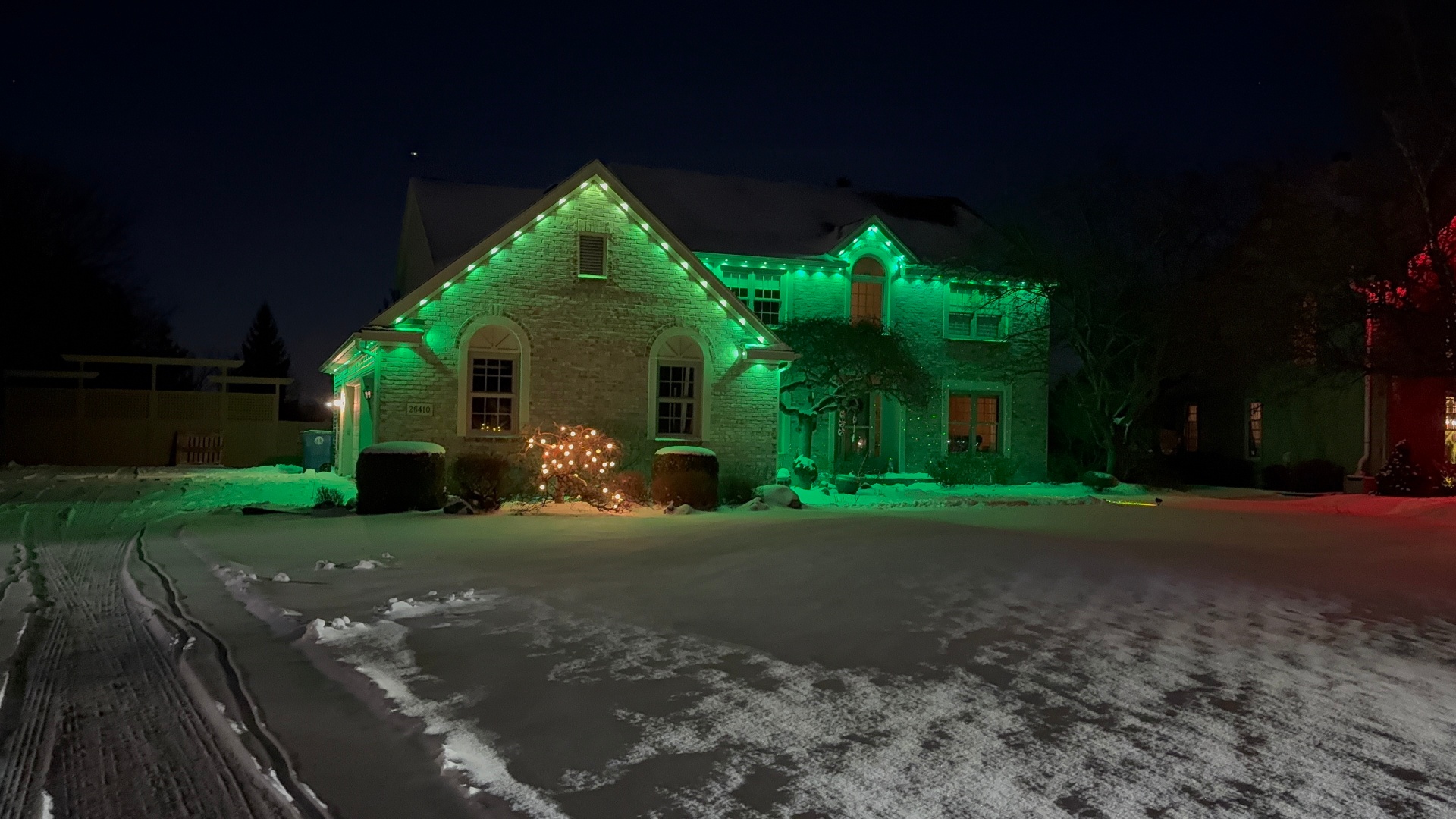
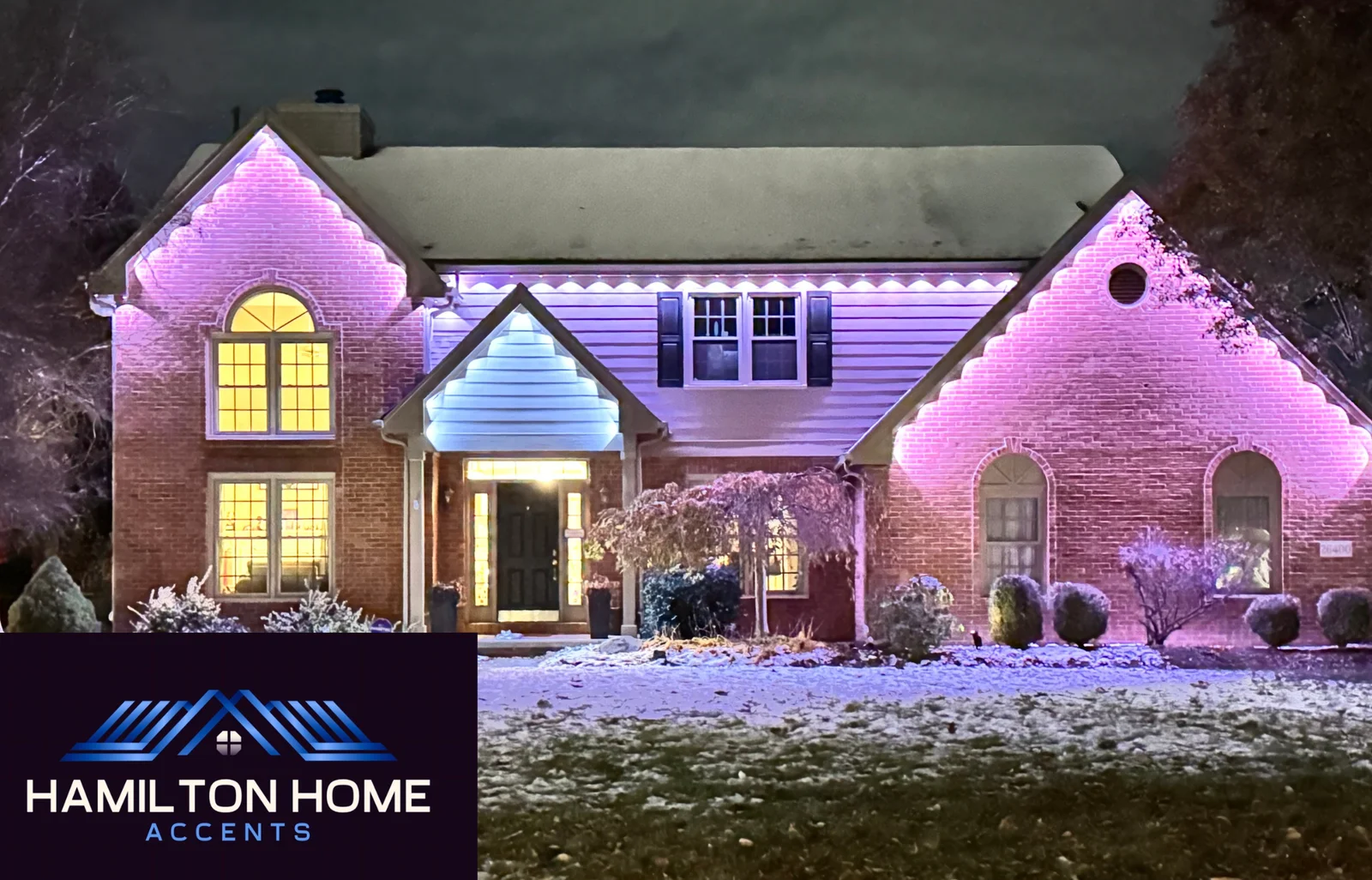
Roofline lighting before after example ideas usually center on one thing: how much a dark, unremarkable roofline transforms once track lighting outlines the actual architecture of the house. The 'before' is almost always a plain fascia with maybe a single porch light. The 'after' shows the roof peaks, gable returns, and columns clearly defined at night.
Here is what actually changes in a before-and-after, what decisions drive the best results, and where homeowners get the most value beyond the initial wow factor.
What changes in a typical before-and-after
The 'before' photo usually shows a home lit only by a porch light or a couple of floodlights, with the roofline itself invisible after dark. The 'after' outlines the actual shape of the house: peaks, dormers, and columns all become visible.
That architectural definition is what makes permanent lighting look different from a strand of holiday lights. It is designed around the home's structure, not just draped along an edge.
Track and channel quality decide the lifespan
The diode is rarely what fails first. It is the channel, the adhesive, and the sealing at each transition. Aluminum track with proper standoff keeps water moving past the fixture instead of sitting on it, and it holds alignment through Ohio freeze-thaw cycles.
This is why the best 'after' photos still look clean years later. Cheaper strand-based systems tend to sag, discolor, or drop sections within a couple of seasons.
Warm white versus RGB for everyday use
Most homeowners run warm white the majority of the year for a classic, upscale look, then switch to color scenes for holidays or events. Jellyfish and Govee systems both support this, though they differ in diode density and app ecosystem.
Deciding your primary everyday color before installation helps determine spacing and diode choice, since some looks benefit from tighter spacing than others.
Planning around your specific roofline
A steep roof with multiple gables needs more transitions and careful corner work than a simple ranch roofline. The best results come from a site walk where a professional maps out exactly how track will run before any installation starts.
Skipping this planning step is where DIY strand lighting often falls short, since it is harder to route cleanly around complex rooflines without visible sag or gaps.
What the 'after' means beyond the photo
Once installed, permanent lighting removes the need to climb a ladder every holiday season. Scenes get changed from an app instead of restringing lights on the roof edge.
It also adds a consistent security benefit, since the home is lit automatically every evening rather than only when someone remembers to flip a switch.
How to evaluate before-and-after examples you see online
Look past the nighttime glow and check whether the daytime track mounting looks clean, since that tells you about installation quality more than the lit photo does.
Ask to see examples from homes with a similar roofline to yours in the gallery, since a dramatic result on a large two-story home does not always translate directly to a ranch or bungalow.
Frequently asked questions
How long does a roofline lighting install typically take?
Most residential installs are completed within a day, depending on the length of roofline and the number of transitions or corners involved.
Can I see examples similar to my home before committing?
Yes, our gallery includes a range of home styles, and a site walk can also show you how the system would look on your specific roofline.
Does permanent lighting replace holiday lights entirely?
For most homeowners, yes. You can switch to holiday-colored scenes from the app instead of installing separate seasonal strands.
What's the biggest difference between a good and bad install?
Mounting quality and planning around corners and transitions. A well-planned install looks clean in daylight and holds alignment for years; a rushed one tends to sag or gap within a season or two.
The bottom line
- The dramatic visual change comes from outlining actual architecture, not just adding brightness.
- Mounting quality determines whether results still look clean years later.
- Plan your primary color and spacing before installation based on how you'll use it most.
- Permanent lighting eliminates seasonal ladder work and adds year-round security benefits.
See what your roofline could look like
We'll walk your property and map out how permanent lighting would follow your home's specific architecture, no obligation.
Explore Jellyfish lighting