
Rock Mulch vs. Hardwood Mulch: Which Fits Your Landscape?
Comparing rock mulch vs hardwood mulch for weed control, maintenance, and appearance to help you choose the right material for each bed.
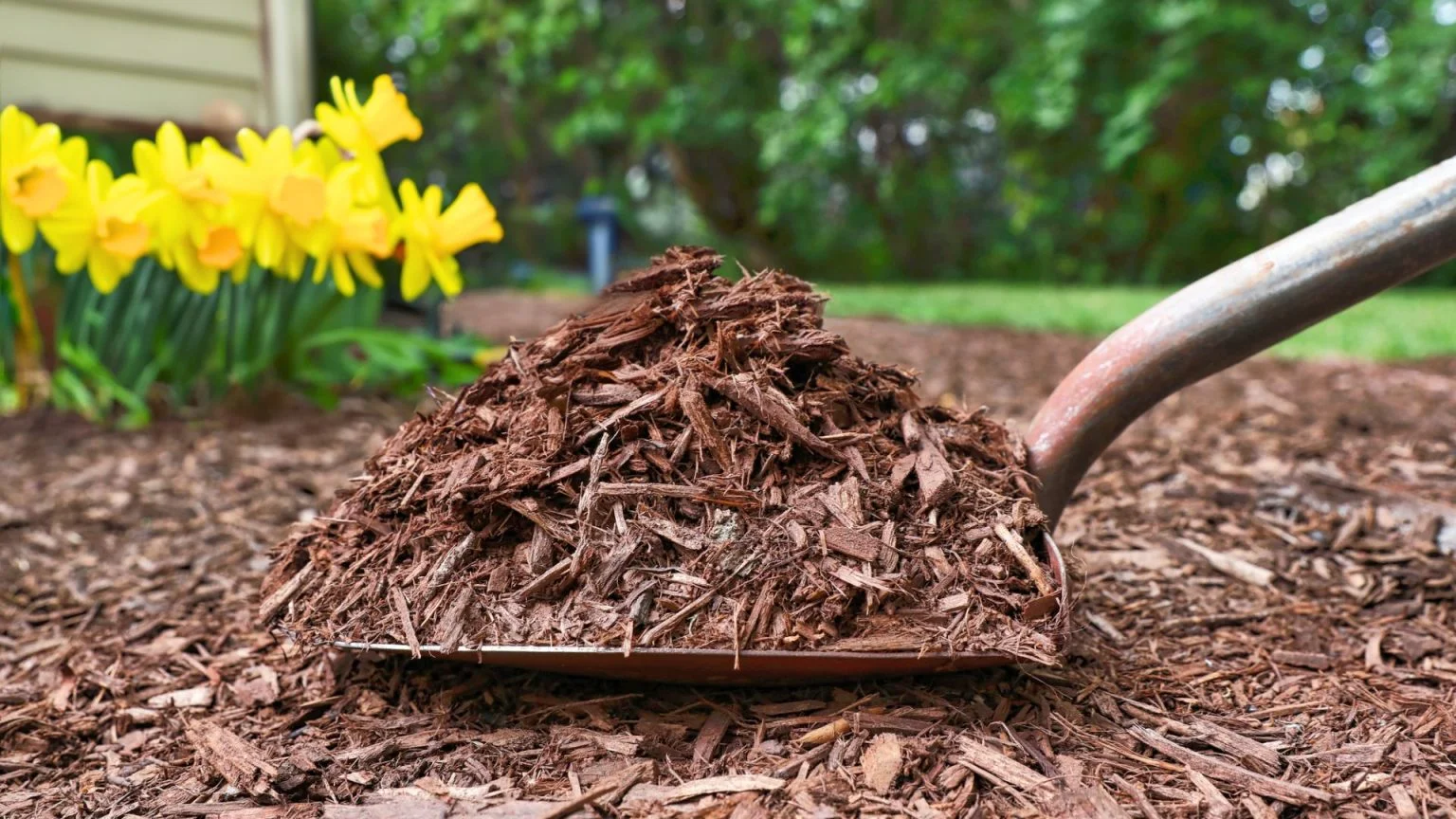
Rock mulch vs hardwood mulch is a common question for homeowners planning a new bed or replacing an old, worn-out mulch layer. Both have real advantages, and the right choice depends more on the bed's plants and purpose than a simple better-or-worse comparison.
Rock lasts far longer without needing replacement, but it does not improve soil the way organic mulch does. Hardwood mulch feeds the soil as it breaks down but needs regular refreshing to keep working.
This post walks through how each performs across the factors that actually matter for a residential bed.
How each material performs over time
Rock mulch, whether river rock, pea gravel, or crushed stone, does not decompose, so a properly installed rock bed can go years without needing new material added, aside from occasional topping off where rock has settled or scattered.
Hardwood mulch breaks down steadily, which is part of its function since decomposing organic matter adds nutrients back into the soil, but it also means it needs refreshing on a roughly annual basis to maintain depth and appearance.
If long-term low maintenance is the top priority, rock has a clear advantage in terms of how often you need to service the bed.
What each material does for your soil and plants
Hardwood mulch contributes organic matter to soil as it decomposes, which benefits plant roots and soil structure over time, particularly in Northwest Ohio's clay-heavy soil that benefits from added organic content.
Rock mulch provides no soil benefit and can actually increase soil temperature more than organic mulch, since rock absorbs and radiates heat differently than wood chips. This matters more for heat-sensitive plants than for hardy shrubs.
For beds with heavy perennial or shrub planting where soil health matters long-term, hardwood mulch generally supports plant growth better than rock.

Weed control comparison
Both materials suppress weeds by blocking light to the soil surface, but neither is weed-proof on its own. Rock beds can actually be more prone to windblown seeds germinating in accumulated dust and debris between stones over time, since there is nothing decomposing to disturb root establishment.
Hardwood mulch's texture and the fact that it is periodically refreshed tends to disrupt weed establishment slightly more consistently than a static rock bed left in place for years.
Neither material replaces some level of ongoing bed maintenance, whether that is occasional hand-pulling or spot treatment.
Cost and long-term maintenance tradeoffs
Rock mulch typically costs more upfront per project than hardwood mulch, but since it does not need annual replacement, the ongoing cost over several years can end up comparable or lower depending on the specific products involved.
Hardwood mulch has a lower upfront cost but requires a recurring line item in your yearly landscaping budget to keep beds looking maintained.
The right choice often comes down to whether you would rather pay more upfront for a lower-maintenance material or spread cost out with annual mulch service.
- Rock: higher upfront cost, minimal ongoing replacement
- Hardwood: lower upfront cost, annual refresh needed
- Rock: better for utility or low-plant areas
- Hardwood: better for plant-dense beds where soil health matters
Changing your mind later is harder with rock
One factor that gets overlooked is how difficult it is to switch a bed from rock back to mulch, or to add new plantings into an established rock bed. Rock needs to be physically removed or displaced to work soil for new plants, which is more labor-intensive than adjusting a mulch bed.
If there is a real chance you will want to change the plant layout of a bed in the next few years, hardwood mulch offers more flexibility during that process.
Beds intended as a permanent, low-planting feature, like a foundation border with a few structural shrubs, are a better long-term fit for rock since the layout is less likely to change.
Using both materials on the same property
Plenty of properties use rock mulch in some areas and hardwood mulch in others, matched to each bed's function. A rock border along a driveway or foundation with minimal planting pairs naturally with hardwood mulch in adjacent perennial beds.
During a landscape design consultation, we look at each bed individually rather than applying one material across the whole property by default.
The University of Illinois Extension has useful general guidance on mulch material selection if you want to research further before deciding.
Frequently asked questions
Does rock mulch ever need to be replaced?
Rock itself does not decompose, but beds sometimes need topping off where rock has scattered or settled, and occasional cleaning to remove debris that accumulates over the years.
Is rock mulch bad for plants?
Rock is not inherently harmful, but it does not improve soil the way hardwood mulch does, and it can raise soil temperature more, which matters for some heat-sensitive plants.
Which is better for weed control, rock or hardwood mulch?
Both suppress weeds similarly well when properly maintained. Hardwood mulch's periodic refresh cycle tends to disrupt weed establishment slightly more consistently over time.
Can I mix rock and hardwood mulch on the same property?
Yes, this is common. Many properties use rock in low-planting utility areas and hardwood mulch in plant-dense perennial and shrub beds.
The bottom line
- Rock mulch lasts longer without replacement but adds no soil benefit.
- Hardwood mulch improves soil health over time but needs annual refreshing.
- Rock suits low-planting, permanent bed layouts better than plant-dense areas.
- Long-term cost can be comparable depending on how many years you factor in.
- Many properties reasonably use both materials matched to different beds.
Deciding between rock and hardwood mulch
We can walk your property and recommend the right material for each bed based on plants and long-term goals.
Explore mulch services