Jellyfish Lighting Buyer Guide for Homeowners
This jellyfish lighting buyer guide compares track quality, installation, cost, and app features so you know what to ask before buying.
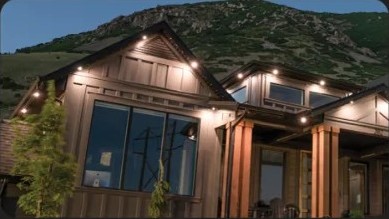
Buying jellyfish lighting comes down to three things: track quality, installer experience, and how the system will be controlled once it's on your house. Get any of those wrong and you'll notice it every night for years, not just at install.
We install Jellyfish lighting on homes across Northwest Ohio and Southeast Michigan, and most of the questions we hear are the same handful worth answering upfront.
This guide walks through what to compare, what actually affects price, and the questions to ask any installer before signing.
What to look at in the track itself
Aluminum track with a real standoff from the roof edge sheds water and holds its shape through freeze-thaw cycles better than lightweight plastic channel. Cheap channel can warp in summer heat, which shows as wavy lines instead of a straight edge along your fascia.
Ask what gauge and material the track is made from, and ask to see it in person before your quote. A five-minute look at a sample tells you more than a spec sheet.
Diode spacing and color uniformity
Diode spacing affects how smooth the color looks from the street. Wider spacing can create visible dots or uneven color blending, especially on longer straight runs, while tighter spacing gives a more continuous wash of light.
This is one area where system comparisons matter. If you're weighing Govee lighting against Jellyfish, ask each installer to show you both up close before deciding, since spacing and diode size differ between the two.
- Wider diode spacing costs less but shows more individual points of light
- Tighter spacing gives a smoother wash, especially on long straight fascia runs
- Corner and peak pieces should be purpose-built, not bent by hand on site
- Ask what warranty covers the track versus just the diodes
Why installer experience changes the outcome more than brand
The same track installed by two different crews can look completely different a year later. Corners, gable peaks, and transitions where fascia depth changes are where inexperienced installers cut corners, literally, with visible gaps or mismatched angles.
Ask how many jellyfish or comparable permanent systems the installer has done, and ask to see photos of corner transitions specifically, not just the wide establishing shots every company uses in marketing.
How pricing actually works
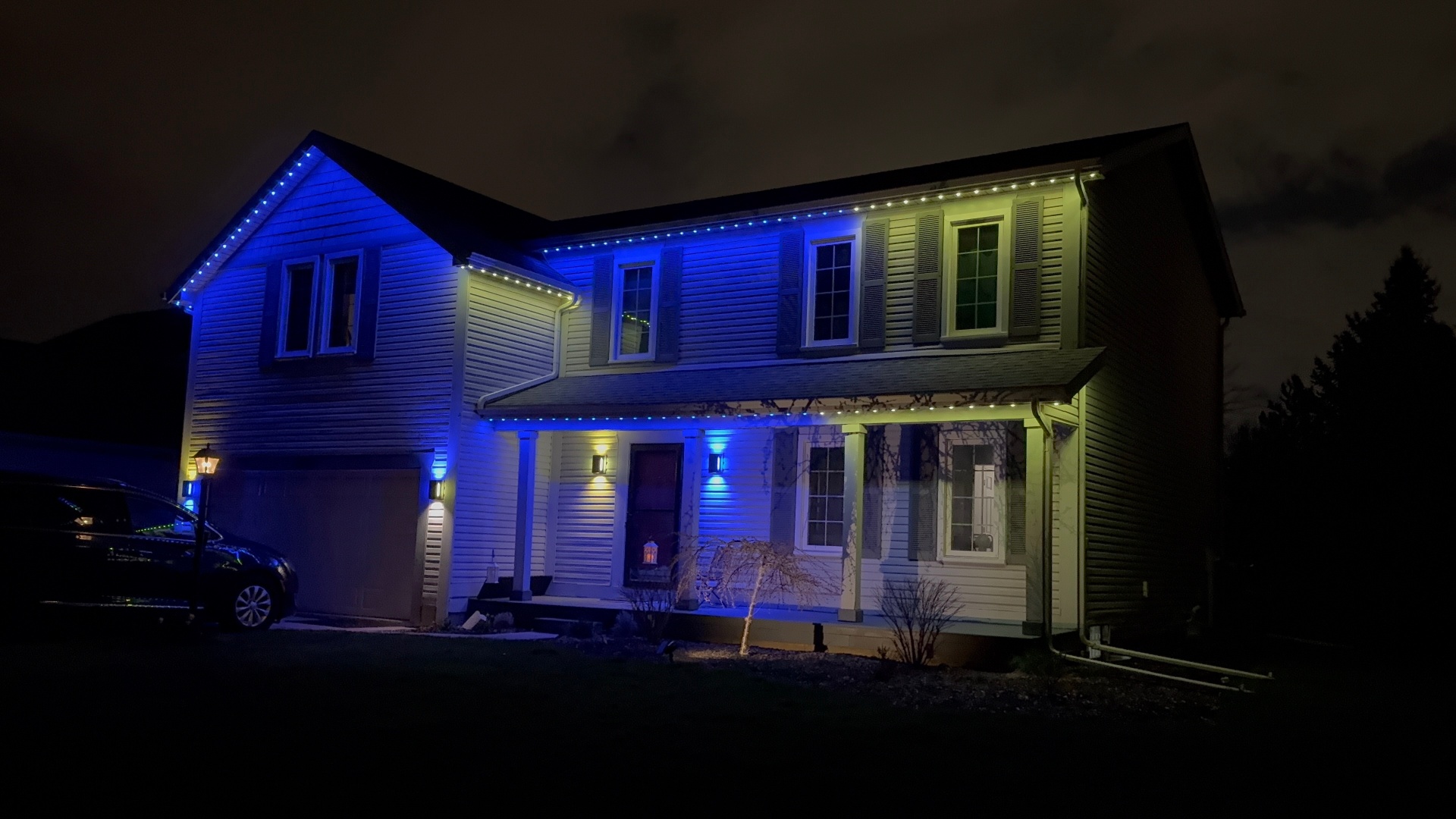
Pricing is driven by linear footage of track, the complexity of your roofline (number of corners, peaks, and elevation changes), and access difficulty. A simple ranch with a straightforward eave line costs less per foot than a two-story home with multiple gables and dormers.
Be wary of a quote given without a site visit. Roofline measurements from a satellite photo are rough at best, and the real number depends on what an installer sees in person.
What the controller and app should offer
At minimum, expect scheduling (dusk-to-a-set-time), holiday presets, and the ability to build custom color patterns without a subscription. Some installers upsell add-on modules; ask what's included in the base system versus what costs extra.
Also ask what happens if the Wi-Fi hub fails. A good system lets a previously saved schedule continue running, and a good installer will tell you the actual warranty process rather than a vague promise.
Questions to ask before signing anything
Get answers in writing before your deposit goes down. A legitimate installer will not hesitate to answer any of these directly.
- What track material and gauge are you using, and can I see a sample?
- How is the transformer sized for my specific roofline length?
- What does the warranty cover, and does it include labor to fix issues?
- How many corners and transitions will this roofline require, and how are they handled?
- What is the timeline from deposit to install to first power-on?
When permanent lighting isn't the right fit yet
If your roofline is under renovation, or you're planning a re-roof in the next year, it's worth waiting until that work is finished so the track goes up once on the final fascia. Installing now and moving it later adds cost you don't need to spend.
For homeowners still deciding between a full permanent system and a lighter DIY option, our Govee track kits page covers the self-install route as a comparison point.
Frequently asked questions
Is Jellyfish lighting worth the extra cost over cheaper permanent systems?
Track quality and installer experience are what determine whether the system looks clean in five years, not just the brand name. A cheaper system installed well can outlast an expensive one installed poorly.
Can I get a quote without an in-person site walk?
You can get a rough range, but an accurate quote needs a site walk to measure roofline length, count corners, and check fascia access. We offer a free quote that includes that walk.
How do I compare Jellyfish to Govee before deciding?
Ask to see both systems installed nearby, look closely at diode spacing and corner pieces, and compare app features side by side. Our Govee lighting and Jellyfish pages outline the practical differences.
What financing options are available for permanent lighting?
We offer financing options that let you spread the upfront cost over time. Details and current terms are on our financing page.
The bottom line
- Track material, diode spacing, and corner transitions matter more than brand name alone.
- Installer experience shows up most clearly at corners and roofline transitions.
- Accurate pricing requires an in-person site walk, not a satellite estimate.
- Ask specifically what the warranty covers before signing.
- Compare systems side by side in person before committing to one brand.
Get a real quote based on your roofline
We'll measure your home in person and show you track, corners, and controls before you decide anything.
Request a free quote