How to Install Permanent Outdoor Lighting
Learn how permanent outdoor lighting installation actually works, from measuring the roofline to setting up app-controlled scenes.
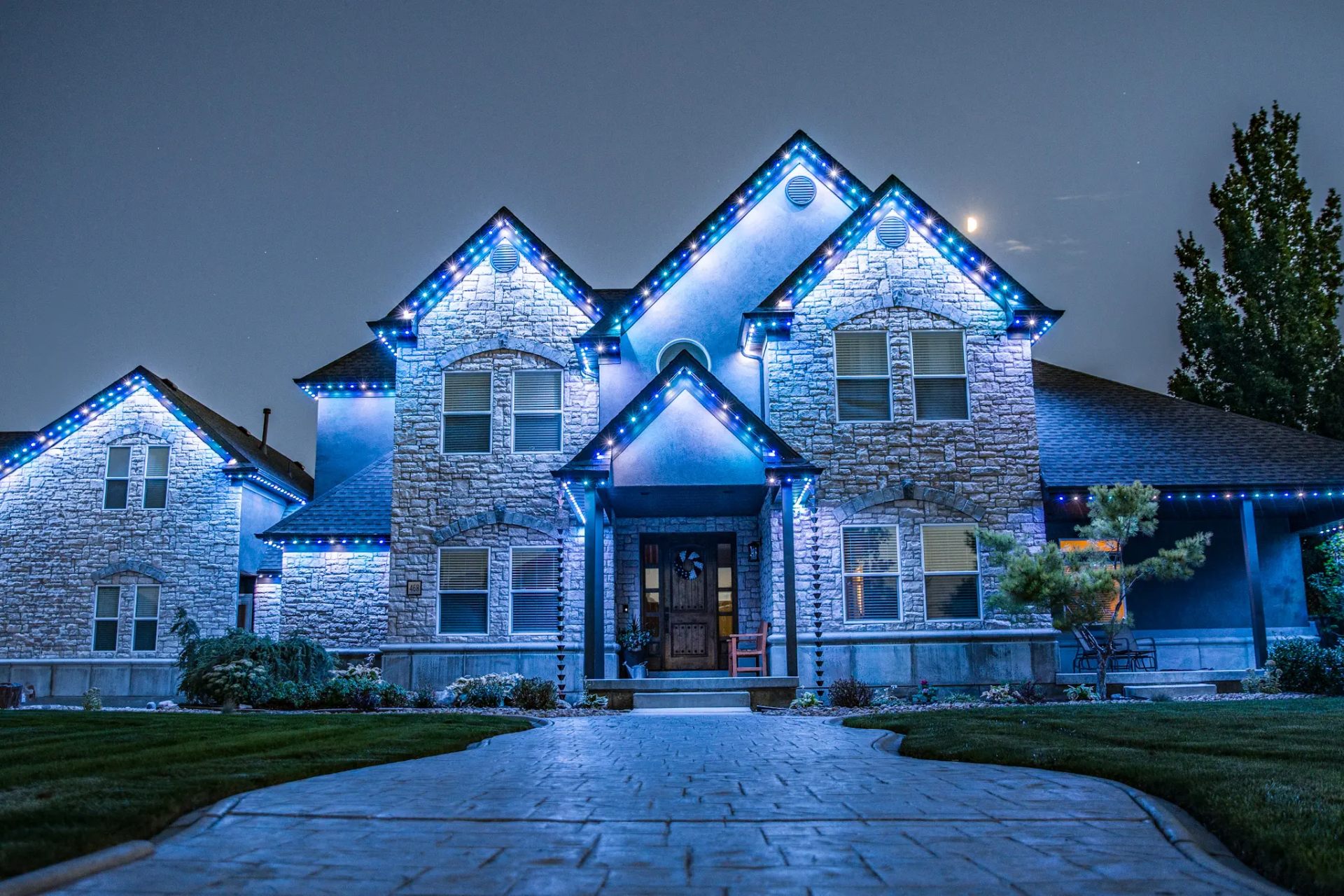
Permanent outdoor lighting installation involves running a low-profile aluminum track along your roofline, fascia, or soffit, then fitting it with individually addressable LEDs that connect to a small controller. That controller talks to an app, so you set colors and scenes instead of climbing a ladder every time you want the look to change.
The process is more involved than hanging string lights, but it is not mysterious. A crew measures the home, plans track runs around gutters and vents, mounts the channel with weather-rated clips, wires it back to a low-voltage transformer, and programs the system before walking you through the app.
If you are trying to decide whether to do this yourself or hire it out, understanding each step helps you judge the work and ask good questions, whether you go with Jellyfish lighting or a Govee permanent system.
What actually gets installed on your house
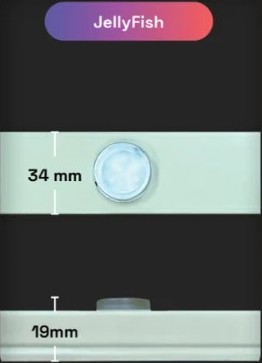
Most permanent systems use a thin aluminum track that mounts to the fascia, gutter line, or roof edge. Inside that track sits an LED strip made of individually addressable pixels, which is what lets each light show a different color at the same time.
A controller box, usually mounted in a garage or attic, receives Wi-Fi signals and drives the lighting sequences. Low-voltage wiring runs from the controller to each track section, and everything ties back to a dedicated power supply.
The track itself matters more than people expect. A rigid, properly machined track holds its shape over Ohio winters and Michigan summers, while cheaper channel can warp or pull away from mounting clips after a few seasons.
How installers measure and plan the layout
Before any drilling happens, an installer walks the perimeter of the house and measures every roofline, gable, and dormer that will get track. This step decides where track sections join, how wiring routes to the controller, and how many total feet of track and how many pixels the job needs.
Good planning accounts for obstacles: gutters, downspouts, vents, and satellite mounts all need clean transitions instead of track running straight into them. This is where a site walk and free quote save you from surprises later.
Homes with complex rooflines, like ours in Perrysburg and across Toledo, often need mitered corners and custom-length runs rather than a one-size kit.
Mounting the track without damaging the roofline
Track typically mounts with brackets or clips screwed into the fascia board, not directly into shingles or gutters. This keeps the roof warranty intact and gives a stable, level line for the lights to sit against.
Corners get machined or heat-formed rather than simply bent, which keeps the LED spacing even around turns. Uneven spacing at corners is one of the most common signs of a rushed install.
Fasteners and clips should be rated for outdoor exposure so they do not corrode or loosen after a winter of freeze-thaw cycles.
Wiring, power, and where the controller lives
Low-voltage wire runs from the track back to a controller, which converts household power to the voltage the LEDs need. Installers route this wiring to stay hidden, often through the soffit or into the attic, so you do not see cable hanging along your siding.
The controller usually sits in a garage, attic, or basement near an outlet, protected from weather even if the mounting location is technically outdoors. It needs a stable Wi-Fi connection since the app controls scenes remotely.
A dedicated circuit or properly sized transformer keeps the system from flickering when every light is running at full brightness during a holiday scene.
Setting up the app and programming scenes
Once wired, the installer connects the controller to your home Wi-Fi and pairs it with the manufacturer's app. From there, you can pick preset scenes for holidays, sports teams, or everyday warm white, or build custom colors and patterns.
Scheduling is part of this setup too. You can have lights turn on at sunset automatically and switch off at a set time, which is one of the bigger advantages over traditional string lights.
A thorough installer walks you through the app in person rather than leaving you a manual, so you know how to switch scenes before the first holiday rolls around.
Common installation mistakes to avoid
The most frequent issues we see with amateur installs are uneven track lines, gaps at corners, and wiring left exposed along the fascia. These problems are cosmetic but noticeable, especially in daylight.
Undersized power supplies are another common mistake, causing dimming or color shifts toward the far end of a long run. Matching the transformer and controller to the actual pixel count avoids this.
Skipping a real site walk in favor of a generic kit often means track that does not fit dormers or bay windows cleanly.
- Uneven spacing at corners from bent instead of machined track
- Exposed wiring along visible fascia or trim
- Underpowered transformers causing dim spots on long runs
- Mounting into gutters or shingles instead of fascia
- No app walkthrough, leaving homeowners unsure how to use scenes
DIY kits versus a professional install
Govee's cuttable track kits are designed for DIY installation on simpler rooflines, and plenty of homeowners handle them successfully with basic tools. Straight runs on single-story homes are the easiest candidate for this route.
Steep rooflines, multiple stories, or houses with a lot of trim and dormers usually go faster and look more consistent with a professional crew, since ladder work and precise corner cuts take practice.
According to the U.S. Department of Energy, LED fixtures use significantly less energy than incandescent alternatives, which applies whether you install lights yourself or hire it out.
Frequently asked questions
How long does a permanent lighting installation take?
Most single-family homes take one to two days depending on roofline complexity and total track footage. Larger homes with multiple stories or detailed trim can take longer.
Will installers drill into my roof or gutters?
No, track mounts to the fascia board with weather-rated clips, not into shingles or gutter channels. This keeps your roof warranty intact.
Can I still install permanent lighting myself?
Yes, cuttable track kits work well on straightforward, single-story rooflines. More complex homes usually benefit from professional measuring and mounting.
Do I need Wi-Fi for the system to work?
You need Wi-Fi to control scenes and schedules through the app, though many controllers keep running a saved scene even during a brief outage.
The bottom line
- Permanent lighting is aluminum track plus addressable LEDs, wired to a controller and app.
- Careful measuring and mounting to the fascia keeps corners even and avoids roof damage.
- Underpowered transformers are a common cause of dim or inconsistent lighting.
- DIY kits suit simple rooflines; complex homes usually look better installed professionally.
- A good installer finishes with an app walkthrough, not just a working system.
Get a free quote for your roofline
We measure your home, plan the track layout, and handle the wiring and setup so you just pick the scene.
Explore Jellyfish lighting