Hand-Pulled Weeding vs. Chemical Spot Treatment: Which Should You Choose?
Weeding vs herbicide comes down to bed type, weed pressure, and how much ongoing maintenance you want. Here's how to decide which approach fits your yard.
Weeding vs herbicide is not really an either-or decision for most properties. Hand-pulling works well for established beds with manageable weed pressure, while spot treatment makes more sense for larger areas, hardscape cracks, or persistent weeds that keep coming back from root systems.
The right approach depends on where the weeds are growing, what is planted nearby, and how much ongoing maintenance you are willing to keep up with.
This post compares both methods honestly, including where each one falls short, so you can match the approach to the actual problem in your yard.
When hand-pulling is the better choice
Hand-pulling makes the most sense in densely planted beds where herbicide drift or overspray risks damaging desirable plants growing close together. It gives you full control over exactly what gets removed without affecting anything nearby.
It is also the better option for young or shallow-rooted weeds that come out easily with the roots intact, since pulling those before they mature and go to seed prevents a bigger problem later in the season.
The tradeoff is time. Hand-pulling a bed thoroughly takes longer than spraying, and it needs to be repeated regularly through the growing season as new weeds germinate.
When spot treatment makes more sense
Chemical spot treatment is more efficient for large open areas, gravel or mulch beds with sparse planting, and cracks in driveways, patios, or walkways where hand-pulling is impractical or the weed keeps regrowing from a deep root system.
It is also the more reliable option for weeds with aggressive, deep, or spreading root systems, like bindweed or Canada thistle, which often break off at the surface when pulled and regrow from remaining root fragments.
Spot treatment targets individual weeds rather than blanket spraying an entire bed, which reduces the risk to nearby plants compared to broad-application herbicide.

Risks to be aware of with chemical treatment
Herbicide drift on windy days can affect nearby desirable plants, so timing and careful application matter more than the product itself in preventing unintended damage.
Some products remain active in soil for a period of time after application, which is worth knowing if you plan to plant something new in that same spot soon after treatment.
Following label instructions closely, including application rates and timing relative to rain, is the most reliable way to avoid the common problems that come from chemical treatment used carelessly.
Why neither method is a permanent fix
Weed seeds already present in soil will continue to germinate over time regardless of which removal method you use, so both hand-pulling and spot treatment need to be repeated as new weeds emerge through the season.
A single thorough weeding pass in spring does not prevent weeds for the rest of the year, since seeds blow in from neighboring properties and germinate at different times depending on species and weather.
Combining removal with prevention, like maintaining proper mulch depth, closes more of the gap than either removal method alone.
Using both methods together on the same property
Many properties benefit from a mixed approach: hand-pulling in planted perennial and shrub beds where plant safety matters most, and spot treatment for hardscape cracks, gravel areas, or persistent root-based weeds elsewhere.
This split lets you protect the plants you actually care about while still efficiently handling the areas where hand-pulling is impractical or ineffective.
During a cleanup visit, we typically assess bed by bed rather than applying one method across the whole property, since weed type and surrounding plants vary from area to area.
- Perennial and shrub beds: hand-pulling to protect nearby plants
- Driveway and patio cracks: spot treatment for efficiency
- Gravel or sparse rock beds: spot treatment for deep-rooted weeds
- New plantings: hand-pulling until roots are established
Preventing weeds from becoming a bigger problem
Whichever method you use, addressing weeds before they flower and go to seed matters more than the specific removal technique, since a single mature weed can drop enough seed to create a much larger problem the following season.
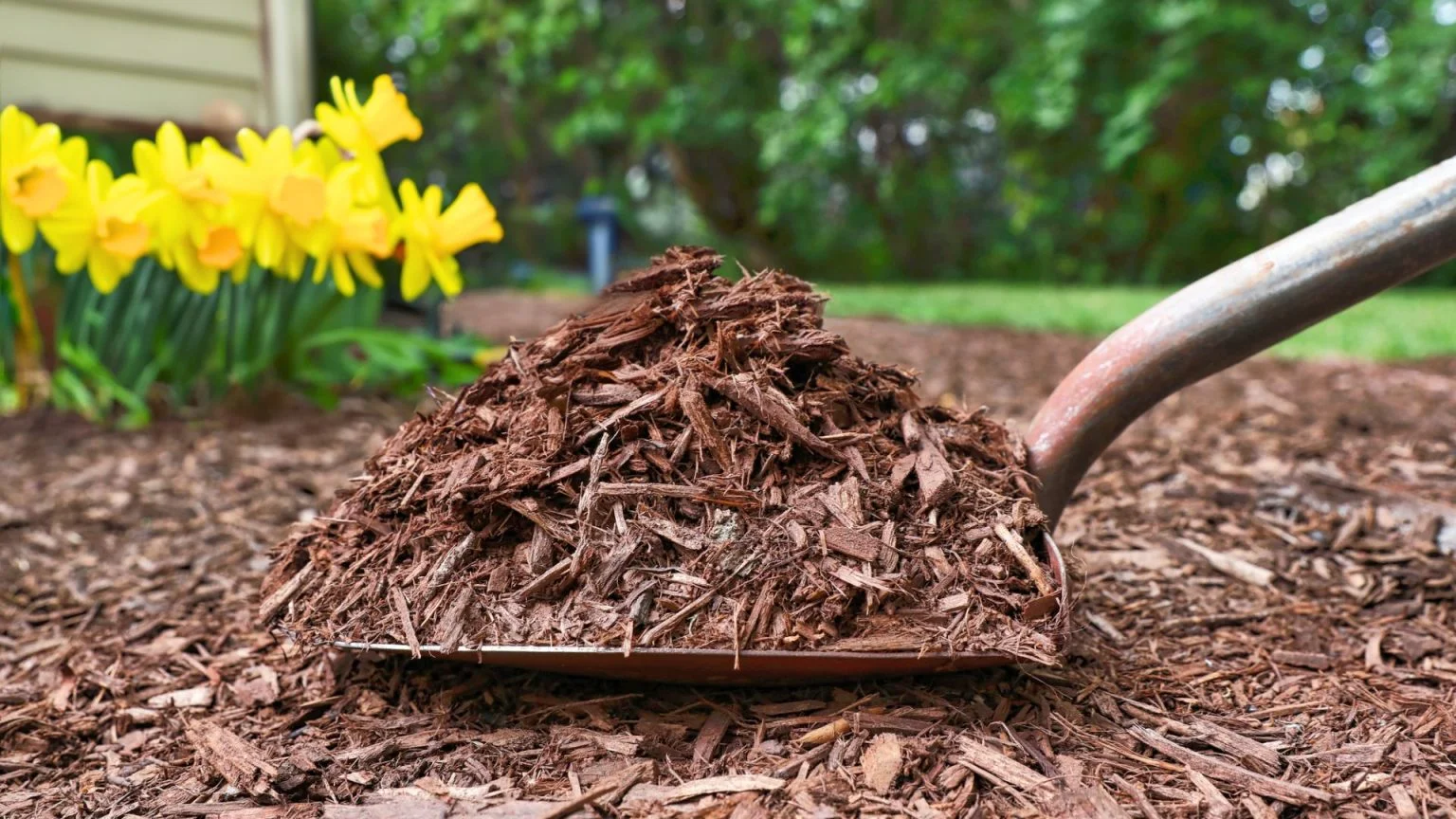
Maintaining a consistent mulch layer, discussed in more detail in our mulch guides, reduces how much weed pressure you deal with in the first place, regardless of which removal method you prefer.
The EPA's guidance on pesticide safety is a useful reference if you are using chemical products yourself and want to confirm safe application practices around your property.
Frequently asked questions
Is hand-pulling always safer than chemical treatment?
It is generally lower-risk for nearby plants since there is no drift or overspray concern, but it takes more time and needs to be repeated as new weeds emerge, similar to chemical treatment.
Will spot treatment kill nearby plants?
Targeted spot treatment applied carefully and away from windy conditions generally poses low risk to nearby plants, though drift is possible if applied carelessly or in poor weather.
Why do some weeds keep coming back after I pull them?
Weeds with deep or spreading root systems, like bindweed or thistle, often break off at the surface when pulled and regrow from remaining root fragments. These typically respond better to spot treatment.
Can I combine hand-pulling and chemical treatment on the same property?
Yes, this is a common and practical approach. Many properties use hand-pulling in planted beds and spot treatment for hardscape cracks or persistent, deep-rooted weeds elsewhere.
The bottom line
- Hand-pulling suits densely planted beds where plant safety matters most.
- Spot treatment is more efficient for cracks, large areas, and deep-rooted weeds.
- Careful timing and application reduce the main risks of chemical treatment.
- Neither method is permanent; both require ongoing attention through the season.
- A combined approach matched to each area often works best.
Get consistent weed control across your property
We handle bed maintenance with the right method for each area, protecting your plantings while keeping weeds under control.
Explore cleanup services