Financing Outdoor Lighting: How Payment Plans Work
Outdoor lighting financing lets homeowners spread the cost of a permanent lighting install into monthly payments. Here's how the process generally works.
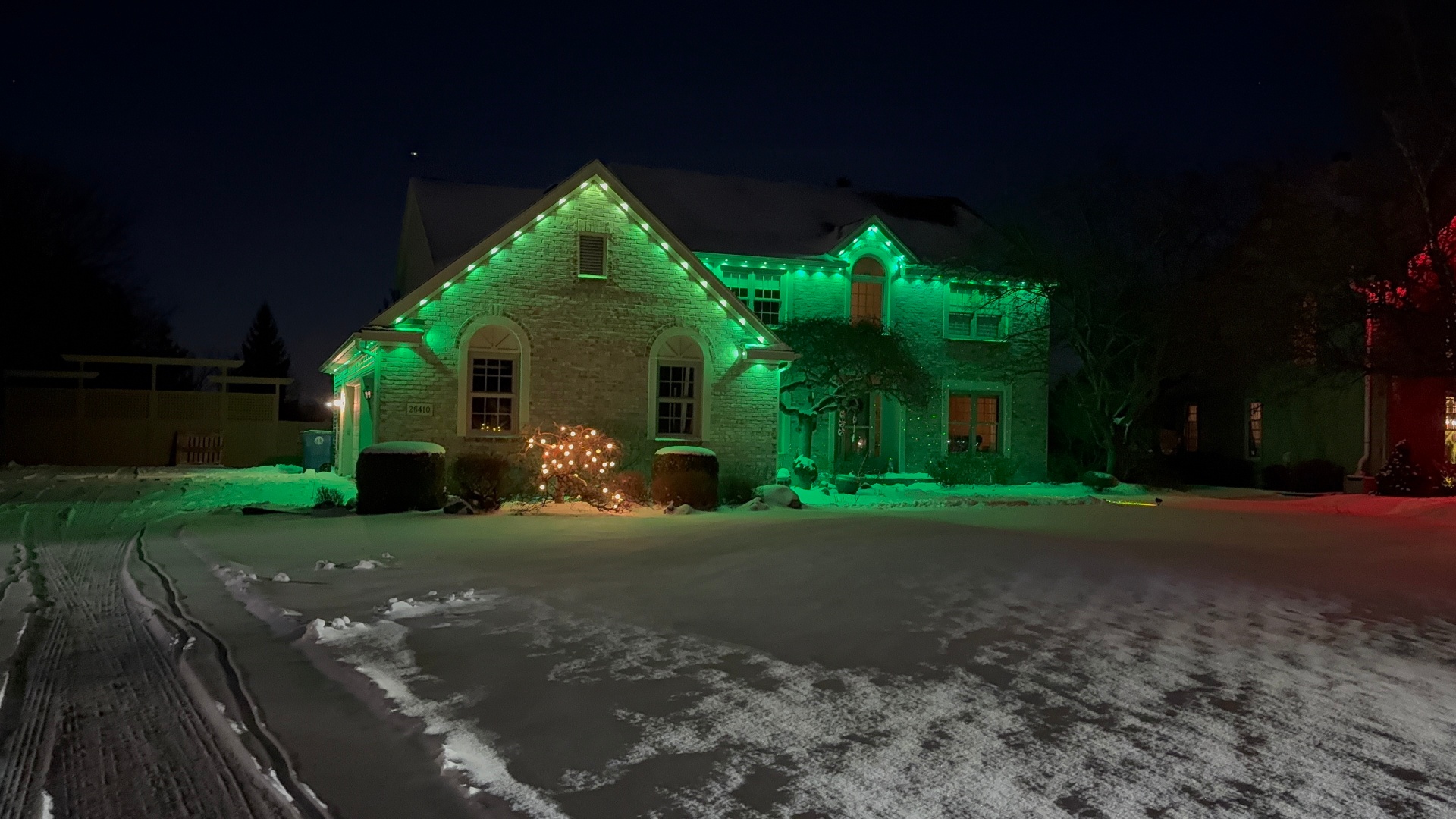
Outdoor lighting financing allows homeowners to spread the cost of a permanent lighting install, like a Jellyfish or Govee system, across monthly payments instead of paying the full amount upfront. It works similarly to financing for other home improvement projects, through a third-party lender rather than the installer directly.
This comes up a lot in conversations about permanent lighting, since a full roofline system covers more of a home than a single accent fixture and the upfront cost is naturally higher as a result.
Here is a general overview of how financing works for this kind of project and what to think through before applying.
How financing for home improvement projects generally works
For most home service financing, including outdoor lighting, the process runs through a third-party lending partner rather than the company doing the installation. You apply through a link or portal, the lender reviews your application, and if approved, you get terms for a monthly payment plan.
This is standard across a lot of home improvement categories, from roofing to HVAC to landscaping, and outdoor lighting financing works on the same basic model. Our financing page walks through the general options available.
The installer's role is providing the quote that gets financed and completing the work, while the lender handles the actual approval and payment terms.
What affects approval and terms
Approval and specific terms, like interest rate and payment length, depend on the lender's own criteria, which typically includes credit history among other factors. This is not something the installer controls or has visibility into beyond submitting the application.
Different lenders may offer different promotional terms, such as a reduced or deferred interest period, though these vary and are worth reading closely before committing.
If you are unsure whether financing makes sense for your situation, it is worth comparing the total cost under a financed plan against paying in full, since the difference is mainly the interest or fees built into the plan.
Getting an accurate quote before applying
Since financing amounts are based on the project cost, it helps to have a firm quote from a site walk before applying, rather than financing an estimate that might change once the scope is confirmed. Roofline length, number of stories, and any additional accent lighting all affect the final number.
A free quote visit lets us measure the actual roofline and discuss what you want covered, whether that is the full home or a partial install, before you commit to a financing amount.
This also avoids the situation of financing one number and then having the actual invoice come in different, which is a more straightforward process if the quote is settled first.
Financing versus paying upfront
Paying upfront avoids interest or fees entirely, which is the main financial advantage over financing. The tradeoff is a larger single payment rather than smaller payments spread over time.
Financing makes sense for homeowners who would rather manage a project like this within a monthly budget rather than as a lump sum, especially for a full-home permanent lighting install that covers more linear footage and cost than a smaller accent lighting project.
Neither option is inherently better. It depends on your own financial situation and preference for how to handle a larger home improvement expense.
Financing a phased project
Some homeowners choose to phase a lighting project, starting with the front of the house or the most visible section and adding more later, partly to manage cost without financing the full scope at once. This is a reasonable way to spread out spending without necessarily using a financing plan at all.
If you are considering financing but also thinking about doing a smaller initial phase, it is worth discussing both options during your quote conversation, since the right approach depends on your specific goals and budget.
Phasing does mean a second install visit later, which is a minor tradeoff worth weighing against the simplicity of doing the full project at once.
Questions worth asking before you apply
Before applying for financing on any home improvement project, it is worth understanding the full terms, not just the advertised monthly payment. That includes the interest rate, the length of the term, whether there is a promotional period with different terms, and what happens if a payment is missed.
The Federal Trade Commission publishes general consumer guidance on financing and credit terms that applies broadly to this kind of home improvement financing, not specific to any one lender or industry.
Taking a few minutes to read the actual terms before signing is worth it regardless of which project or lender is involved.
- What is the interest rate and is it fixed or variable?
- Is there a promotional period, and what happens after it ends?
- What is the total repayment amount versus the upfront project cost?
- Are there penalties for paying off the balance early?
- What happens if a payment is missed or late?
Frequently asked questions
Does Hamilton Home Accents provide financing directly?
Financing runs through a third-party lending partner rather than being provided directly by us. You can find general information on our financing page, and we can point you to the application process during your quote.
Will financing affect my credit?
Applying for financing typically involves a credit check, which can affect your credit depending on the lender and type of inquiry. This is standard for most financing applications and worth asking the lender about directly.
Can I get a quote before deciding on financing?
Yes, and it is recommended. Getting a firm quote from a site walk first means you are financing an accurate number rather than an estimate that could change once the scope is confirmed.
Is financing available for smaller lighting projects too?
Financing options generally depend on the lender's minimum project amounts and terms rather than the specific service. It is worth asking during your quote conversation whether financing makes sense for a smaller project.
The bottom line
- Outdoor lighting financing typically runs through a third-party lender, not the installer.
- Approval and terms depend on the lender's own criteria, including credit history.
- Get a firm quote before applying so you finance an accurate project cost.
- Paying upfront avoids interest, while financing spreads cost into monthly payments.
- Read full financing terms, including promotional periods, before committing.
Curious about financing your lighting project
Get a free quote first, then explore financing options that fit your budget.
See financing options