
How Often Should You Power Wash Your House and Driveway in Ohio?
How often to power wash your house and driveway in Ohio depends on siding material, tree cover, and exposure. Here's a realistic schedule for the region's climate.
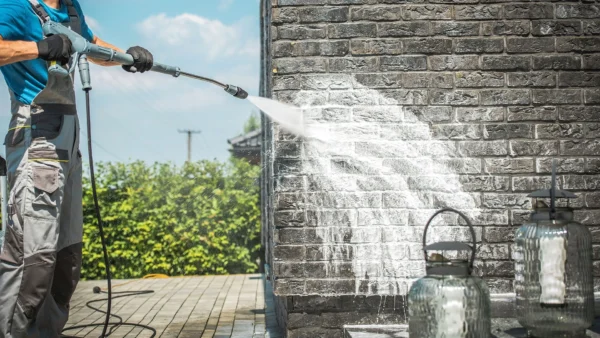
How often you should power wash your house and driveway in Ohio depends mostly on siding material, how much tree cover surrounds your property, and how exposed surfaces are to moisture. As a general range, most homes in this region do well with a wash once a year, though some go longer and others need it more often.
This comes up a lot with homeowners asking about power washing alongside other seasonal maintenance, since it is easy to either over-schedule it or let it go too long without noticing.
Here is a more specific breakdown by surface type and what actually drives the timing.
Why there isn't one universal answer
The honest answer is that washing frequency depends on your specific property conditions more than a fixed rule. A home with heavy tree cover, north-facing shade, and gutters that drain across the siding is going to need washing more often than an open, sunny lot with good drainage.
Material also matters a lot. Vinyl siding tends to show mildew and algae growth faster than brick or fiber cement, and asphalt driveways tend to show staining faster than concrete or pavers.
Instead of a strict yearly rule, it is more useful to know what to watch for and adjust from there based on how your specific property behaves.
Siding: what drives the timing
Vinyl siding is one of the more common materials in this region and tends to develop a greenish or black tint from algae and mildew, especially on shaded, north-facing walls or areas near sprinklers that keep the surface damp. These spots often need attention before the rest of the house.
Brick and fiber cement siding generally hold up longer between washes since they are less prone to the same algae growth pattern, though they still accumulate dirt and pollen over time.
A reasonable starting point is checking siding annually in spring and washing if you see visible discoloration, rather than committing to a fixed schedule regardless of how it actually looks.
Driveways and walkways: a different timeline
Concrete and asphalt driveways pick up oil stains, tire marks, and general dirt buildup that a single rinse from rain does not remove. In this climate, winter salt residue also tends to leave a chalky film that builds up over a season.
Many homeowners find that washing the driveway once a year, often in spring after the last salt application of winter has washed through, keeps stains from setting in permanently.
Heavier oil stains or long-term buildup sometimes need more than a standard wash and may require a degreasing step first, which is worth mentioning when scheduling if you know there is a stubborn spot.

Roofs, decks, and other surfaces
Roof washing is a more specialized job than siding or driveways and is usually needed less frequently, often every few years depending on shingle type and shading. Roof algae streaking is common in humid climates and this region sees its share of it, especially on north-facing roof sections.
Wood decks generally benefit from washing before any seasonal staining or sealing, since dirt and mildew buildup interferes with how well a new coat adheres. If you are planning to reseal a deck, washing beforehand is close to a requirement rather than optional.
Composite decking needs less frequent washing than wood, but still benefits from an occasional clean to remove pollen and organic buildup, particularly in shaded areas.
- Vinyl siding: annually, more often in shaded or damp areas
- Brick or fiber cement siding: every 1-2 years depending on buildup
- Concrete or asphalt driveways: annually, ideally after winter salt season
- Roofs: every few years depending on shingle type and shading
- Wood decks: before each staining or sealing cycle
Signs it's time regardless of schedule
Visible green, black, or gray discoloration on siding or roofing is the clearest sign that washing is overdue, since algae and mildew growth only gets more established the longer it sits. A chalky white residue on a driveway after winter is a similar signal for that surface.
A musty smell near an exterior wall, especially in a shaded area, can also indicate mildew buildup worth addressing sooner rather than waiting for a scheduled date.
If nothing looks visibly different from last year, it is reasonable to hold off, since washing more often than needed does not add much benefit and is just extra cost and water use.
Timing power washing around other projects
If you are planning other outdoor work this season, like mulch, planting, or landscape lighting, it generally makes sense to schedule the power wash first so runoff and overspray do not affect newly finished work. We cover this in more detail in our post on sequencing power washing before mulch or lighting installs.
Spring is a popular time for power washing in this region since it addresses winter buildup and gets the property looking clean heading into the season, but late summer or early fall works just as well if spring is too busy.
According to the EPA, using appropriately diluted, environmentally responsible cleaning solutions during exterior washing reduces runoff impact on nearby soil and plants, which is worth asking about if you have sensitive plantings nearby.
Frequently asked questions
Is once a year enough for power washing in Ohio?
For most homes, yes. Vinyl siding in shaded or damp areas and driveways after winter salt exposure sometimes need more frequent attention, but an annual wash covers most typical properties.
What's the best season to power wash in this region?
Spring is common since it addresses winter salt residue and buildup before the growing season starts, but late summer or early fall also works well if spring scheduling is tight.
Does power washing damage siding or driveways if done too often?
Washing more often than needed is mostly just unnecessary cost rather than damaging, though very high pressure or incorrect technique on any surface can cause issues regardless of frequency. This is more about technique than how often it is done.
Should I power wash before selling my house?
It is a common and reasonable step before listing, since clean siding and a clean driveway noticeably improve curb appeal in photos and in person.
The bottom line
- Most homes in this region do well with an annual power wash schedule.
- Vinyl siding and asphalt driveways generally need attention more often than brick or concrete.
- Visible discoloration is a better signal than a strict calendar date.
- Roof and deck washing follow a longer or project-specific timeline.
- Schedule power washing before other seasonal projects to protect new work.
Not sure if your property is due for a wash
We can take a look at your siding, driveway, and other surfaces and tell you honestly whether it's time.
See power washing services