Financing Options Compared: What Fits a Small Project vs. a Full Property Overhaul
Outdoor lighting financing options vary depending on whether you're doing a small patio lighting add-on or a full property lighting and landscape overhaul. Here's how to think about the choice.
Outdoor lighting financing options make sense for some projects and not others, largely depending on project size and how you'd rather handle cash flow. A small patio lighting add-on and a full property lighting and landscape overhaul are different financial decisions entirely.
We talk through financing with customers fairly often, and the right answer really does depend on the scope of what you're planning rather than a one-size-fits-all recommendation.
This post lays out how to think about financing versus paying directly depending on where your project falls on the size spectrum.
Where financing tends to make sense
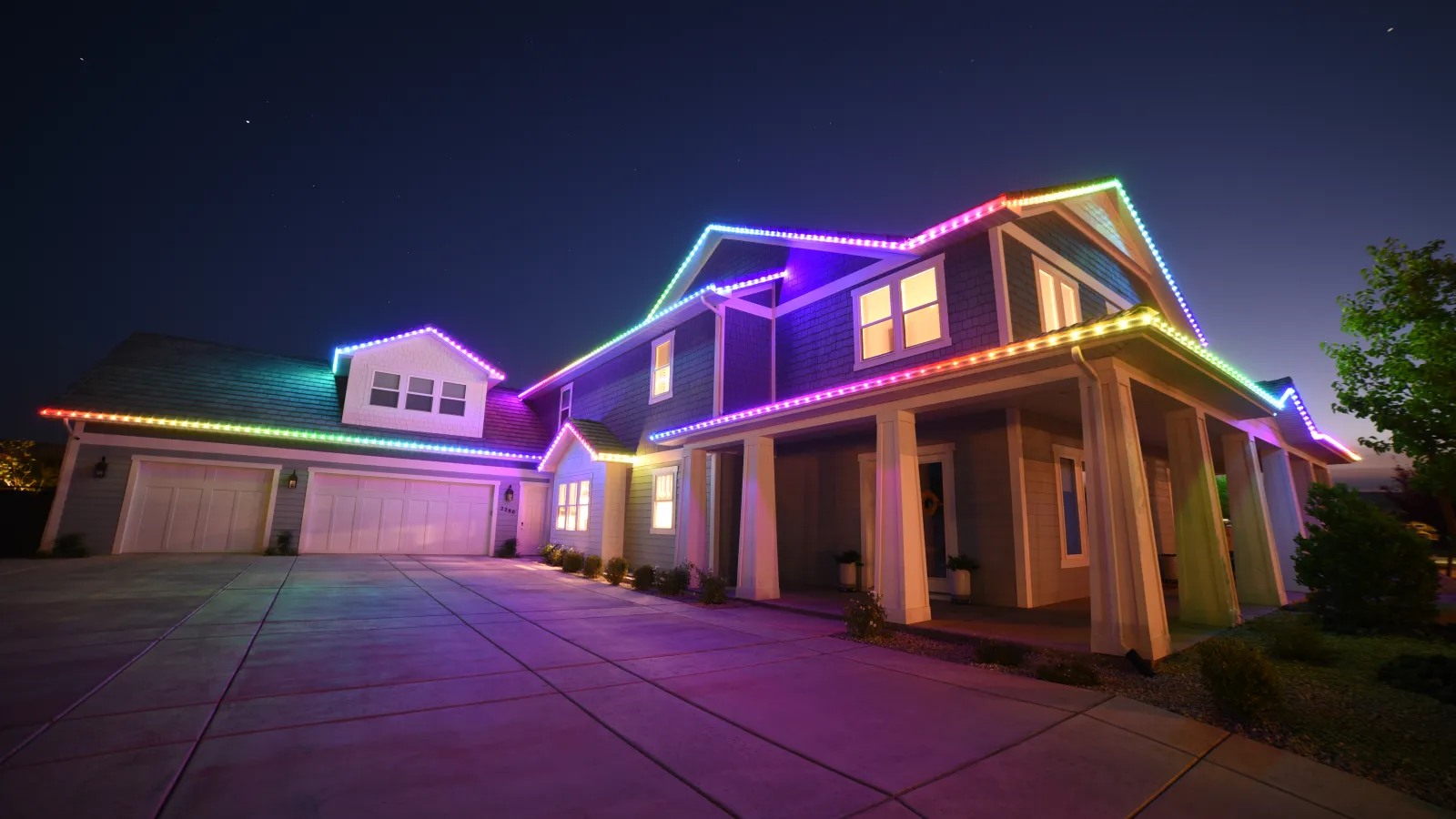
Financing tends to be most useful for larger-scope projects, like a full permanent roofline system paired with landscape lighting, or a property-wide combination of lighting and hardscape work. These projects have enough total cost that spreading payments out changes the practical decision of whether to move forward now or wait.
For a project like this, financing can mean the difference between doing the full scope this season versus waiting years to save up and doing a smaller version instead.
Details on current financing options are worth reviewing directly, since terms and providers can change and it's better to have current information than assume based on general industry norms.
Where paying directly usually makes more sense
Smaller standalone projects, like a single patio lighting install or a seasonal holiday lighting package, are often simple enough in total cost that financing adds more complexity than it's worth. Most customers in this range pay directly.
This isn't a hard rule. Some customers prefer to finance even smaller projects for cash flow reasons, and that's a reasonable choice too. It just tends to be less common at this project size.
If you're unsure which category your project falls into, that's a normal question to bring up during your consultation rather than something you need to figure out beforehand.
Comparing Jellyfish, Govee, and landscape project costs
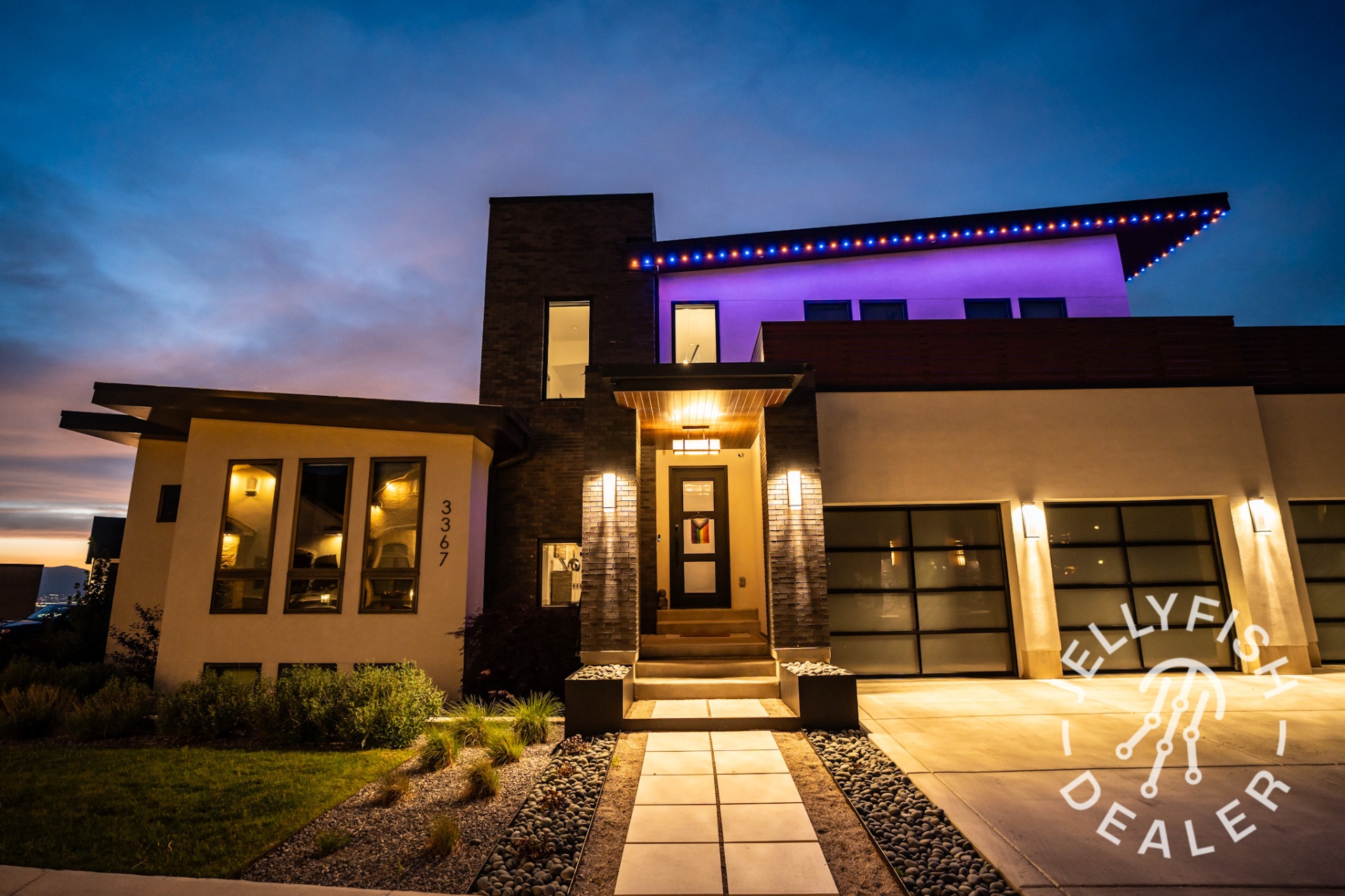
Jellyfish permanent lighting is generally the higher investment of the two main permanent systems due to its individually addressable pixel technology, while Govee is positioned as the more budget-conscious permanent option with fixed LED spacing.
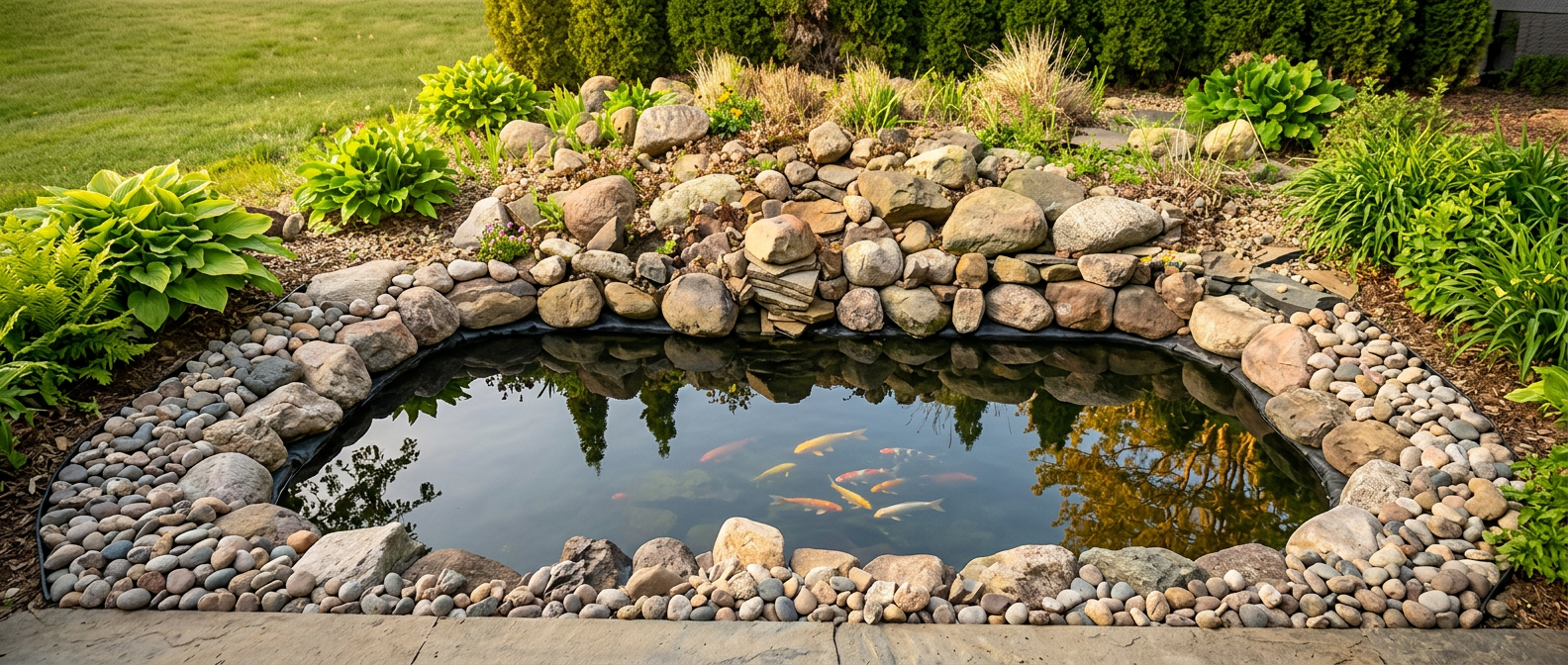
Landscape projects vary even more widely depending on scope, from a modest bed refresh to a full landscape design with retaining walls, water features, and extensive plantings.
Where your specific project lands on this spectrum is the biggest factor in whether financing makes practical sense, more so than which specific product or service category you're choosing.
Phasing as an alternative to financing
If financing isn't the right fit but the full project scope feels like a stretch to pay for all at once, phasing is a reasonable middle path. You install the highest-priority piece now, whether that's roofline lighting or a landscape bed, and add the rest in future seasons.
This works especially well for lighting and landscaping, since as discussed in our post on why landscape design and lighting should be planned together, you can design the full plan up front and install it in stages without losing the benefit of coordinated planning.
Phasing also spreads cost across different budget years, which for some homeowners is a more comfortable approach than financing a single larger purchase.
- Design the full plan upfront even if installing in phases
- Prioritize the highest-impact piece for the first phase
- Space phases across budget years or seasons as needed
- Revisit remaining phases during future consultations
Questions worth asking before choosing a payment approach
Before deciding between financing, paying directly, or phasing, it helps to ask what the total project actually costs broken into its component parts, since that clarifies where the flexibility exists.
It's also worth asking about current financing terms directly, since promotional rates and qualification requirements can change and general assumptions about financing may not reflect what's actually available right now.
The Consumer Financial Protection Bureau publishes general guidance on evaluating financing terms and understanding APR, which is a useful independent reference regardless of which specific financing option you're considering.
How this fits into your consultation
Payment approach is a normal part of the consultation conversation, not something you need to have figured out beforehand. Once we've talked through project scope, we can lay out what a direct payment, financed, or phased approach would each look like for your specific numbers.
There's no pressure to pick the biggest version of a project just because financing makes it possible. Plenty of homeowners choose a smaller scope and pay directly even when financing is available.
The right approach is the one that fits your actual comfort level with the total investment, not just what technically fits the monthly payment.
Frequently asked questions
Is financing available for landscaping projects, not just lighting?
Yes, financing options generally apply across our larger project types. Check our financing page or ask during your consultation for specifics tied to your project.
Can I finance part of a project and pay for the rest directly?
This is worth discussing directly during your consultation, since it depends on how the project is structured and what financing terms are available at the time.
Is phasing cheaper than financing the whole project at once?
Not necessarily cheaper overall, but it changes when you pay for each portion. We can walk through both approaches so you can compare based on your own numbers.
Does a small project ever make sense to finance?
Sometimes, mainly for cash flow reasons even when the total cost is modest. It's less common at smaller project sizes but not unreasonable.
The bottom line
- Financing tends to make the most practical difference on larger, full-scope projects.
- Smaller standalone projects are often simplest to pay for directly.
- Jellyfish, Govee, and landscape project costs vary enough that project scope matters more than product choice.
- Phasing is a reasonable alternative to financing a full project at once.
- Payment approach is a normal part of the consultation conversation, not something to figure out in advance.
Curious what financing or phasing would look like for your project
We'll break down the numbers for your specific scope during a free consultation.
See financing options