
Fall Cleanup Checklist for Northwest Ohio and Southeast Michigan Yards
This fall cleanup checklist covers leaf removal, bed prep, and pre-winter tasks specific to Northwest Ohio and Southeast Michigan yards before the ground freezes.
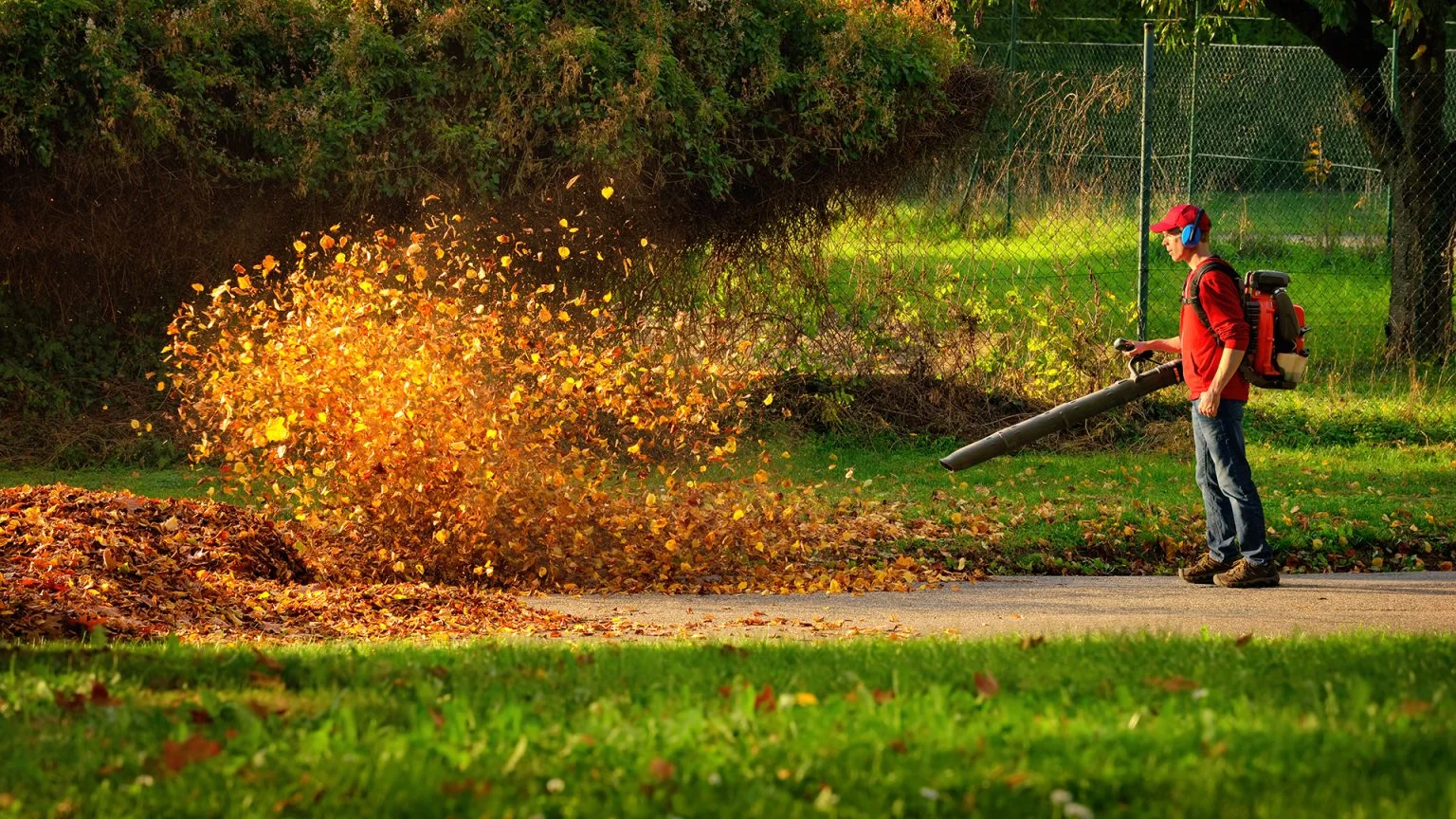
A fall cleanup checklist for this region needs to account for our specific mix of heavy leaf drop, clay soil, and a first frost that can show up anywhere from mid-October to early November depending on the year. Skipping steps now usually means more work, or more plant loss, once spring arrives.
We handle seasonal cleanup for yards across Perrysburg, Sylvania, and Toledo every fall, and the same handful of tasks come up on almost every property regardless of size.
This list walks through what actually matters before the ground freezes, in roughly the order it should happen.
Start leaf removal before it piles up
Waiting until every leaf has dropped before the first cleanup pass usually backfires here, since a wet October combined with a thick leaf mat can smother grass and turn beds soggy for weeks. Two or three passes through October and into November keep leaves from compacting into a dense layer.
Matted leaves left over winter block light and trap moisture against turf, which shows up as dead patches or fungal issues the following spring. It is a smaller job to clear leaves a few times than to deal with the damage from one leaf mat sitting all winter.
If your property has a lot of mature trees, a scheduled cleanup service through fall is usually more practical than trying to keep up with it yourself in a couple of weekends.
Cut back perennials and clear dead growth
Most perennials benefit from being cut back once they have died back for the season, since dead foliage left standing can harbor pests and fungal spores through winter. This is not universal though, and some plants are better left standing until spring.
Diseased plant material should be removed and disposed of rather than composted, since composting does not reliably kill off fungal spores or pest eggs in a home compost pile.
Clearing beds now also makes spring cleanup faster, since there is less dead material to deal with once new growth starts pushing through.
Check gutters and drainage before a hard freeze
Clogged gutters full of wet leaves are one of the more common causes of ice dams and foundation water issues once temperatures drop. Clearing them in late fall, after most leaves have come down, is worth doing even if it means one more trip up a ladder.
Drainage around beds and low spots in the yard should also get a look while the ground is still workable. A spot that holds water in fall usually holds ice in winter, which is worse for both the lawn and any nearby hardscape.
If a bed near your foundation has been draining poorly all season, fall is a reasonable time to regrade it before frozen ground makes that kind of work impossible until spring.
Refresh mulch before the ground freezes
A fresh layer of mulch in fall helps insulate root systems against the freeze-thaw cycles that are common in this region, where temperatures can swing well above and below freezing multiple times in a single week during late fall and early winter.
This matters most for younger plants and anything installed within the last year or two, since established root systems handle temperature swings better than recent transplants.
You do not need a full depth refresh like a spring application. A moderate top-up over existing mulch is usually enough to get through winter.
Shut down irrigation and outdoor water lines
Irrigation systems and outdoor spigots need to be drained and shut off before the first hard freeze, since water left in lines can freeze, expand, and crack pipes or backflow valves. This is an easy step to forget once cleanup attention shifts to leaves and beds.
If you have a pond or water feature that does not run year-round, fall is also the time to prep it for winter, whether that means a full shutdown or switching to a winter-safe operating mode depending on the system.
According to Ohio State University Extension, late fall watering shutoffs and root protection are among the most overlooked steps in seasonal yard maintenance in this climate.
Trim back shrubs and check structural plants
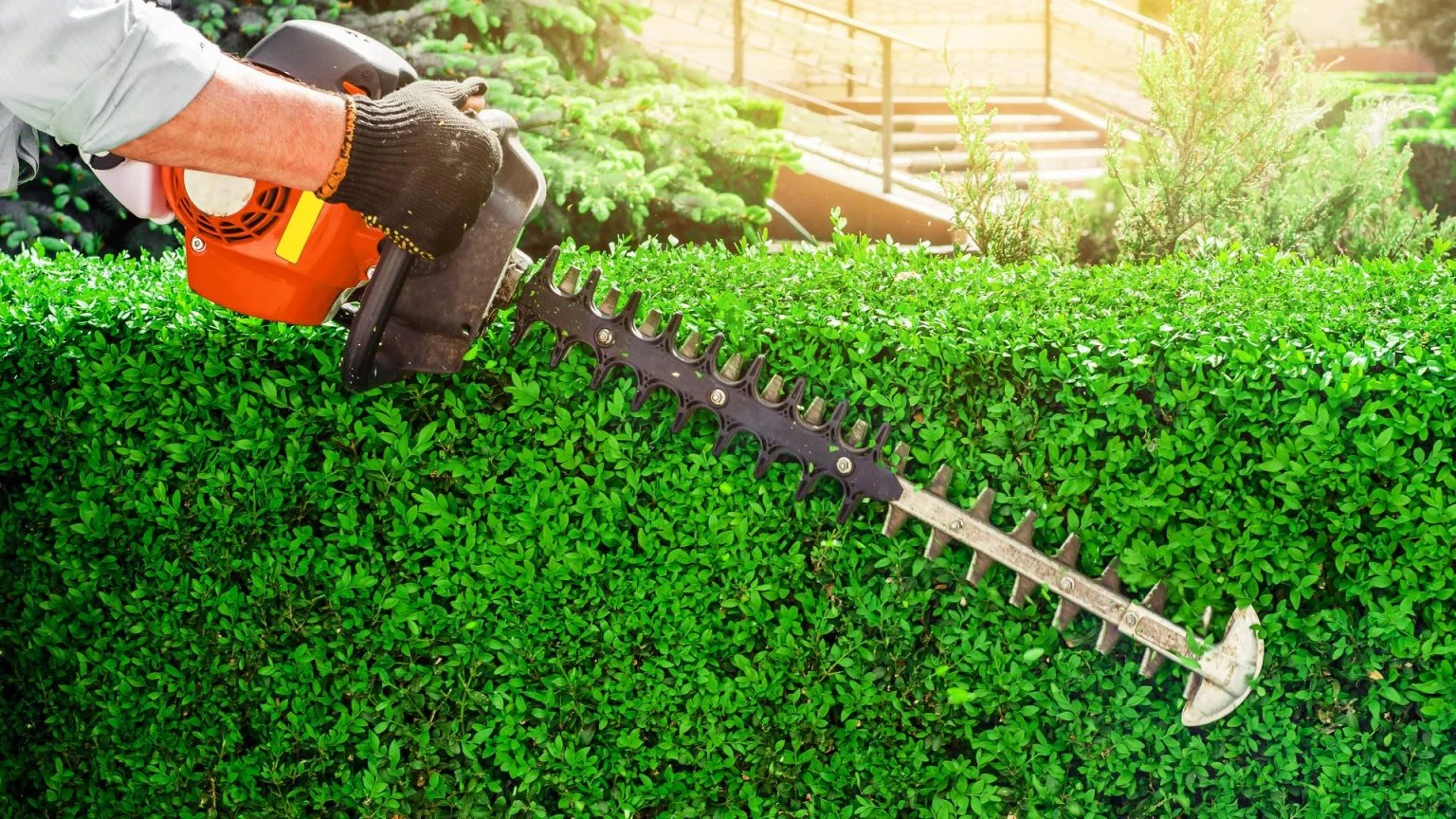
Fall is a reasonable time for light structural trimming on shrubs, mainly to remove dead or damaged branches before winter wind and snow load add stress to already weak growth. Heavier pruning for shape is usually better saved for late winter or early spring depending on the species.
Walk the property and check for any branches hanging over walkways, driveways, or your roofline, since ice accumulation later in the season can turn a minor overhang into a real hazard.
This is also a good time to note any plants that struggled through the summer, since fall observations are often more useful for planning next year's changes than trying to remember details months later.
Don't forget lighting fixtures during cleanup
If you have landscape lighting installed in beds, fall cleanup is a good time to check that fixtures are still positioned correctly and not buried under fallen leaves or shifted mulch. A fixture covered by debris will not throw light the way it is supposed to, and it is easy to miss until dark.
It is also worth checking wire connections and transformer areas for any debris buildup before winter, since a clear setup now means less troubleshooting once snow is on the ground.
Homes with permanent lighting on the roofline do not need this kind of seasonal attention to the same degree, but ground-level fixtures do benefit from a fall check.
Frequently asked questions
When should fall cleanup start in this region?
Most yards benefit from starting leaf removal in October with multiple passes rather than waiting for all leaves to drop. Full cleanup, including bed clearing and mulch refresh, usually wraps up by mid to late November before the ground freezes.
Should I cut back all my perennials in fall?
Not all of them. Many perennials benefit from being cut back, but some ornamental grasses and seed-head plants are better left standing for winter interest and to leave later. It depends on the specific plant.
Is fall or spring better for mulching?
Both serve a purpose. Fall mulch helps insulate roots through winter temperature swings, while a spring application typically focuses more on moisture retention and appearance. A moderate fall top-up plus a fuller spring refresh works well for most yards.
Do I need to winterize a pond or water feature myself?
It depends on the system. Some water features need a full shutdown before freezing temperatures, while others can run through winter with adjustments. If you are unsure, it is worth checking before the first hard freeze rather than after.
The bottom line
- Handle leaf removal in multiple passes through fall rather than one big cleanup.
- Clear diseased plant material rather than composting it at home.
- Check gutters, drainage, and irrigation shutoffs before the first hard freeze.
- A moderate mulch refresh in fall protects roots through winter swings.
- Check lighting fixtures for coverage or shifting during your fall cleanup pass.
Get your yard ready before the first freeze
We handle fall cleanup for properties across Northwest Ohio and Southeast Michigan, from leaf removal to bed prep.
See seasonal cleanup services