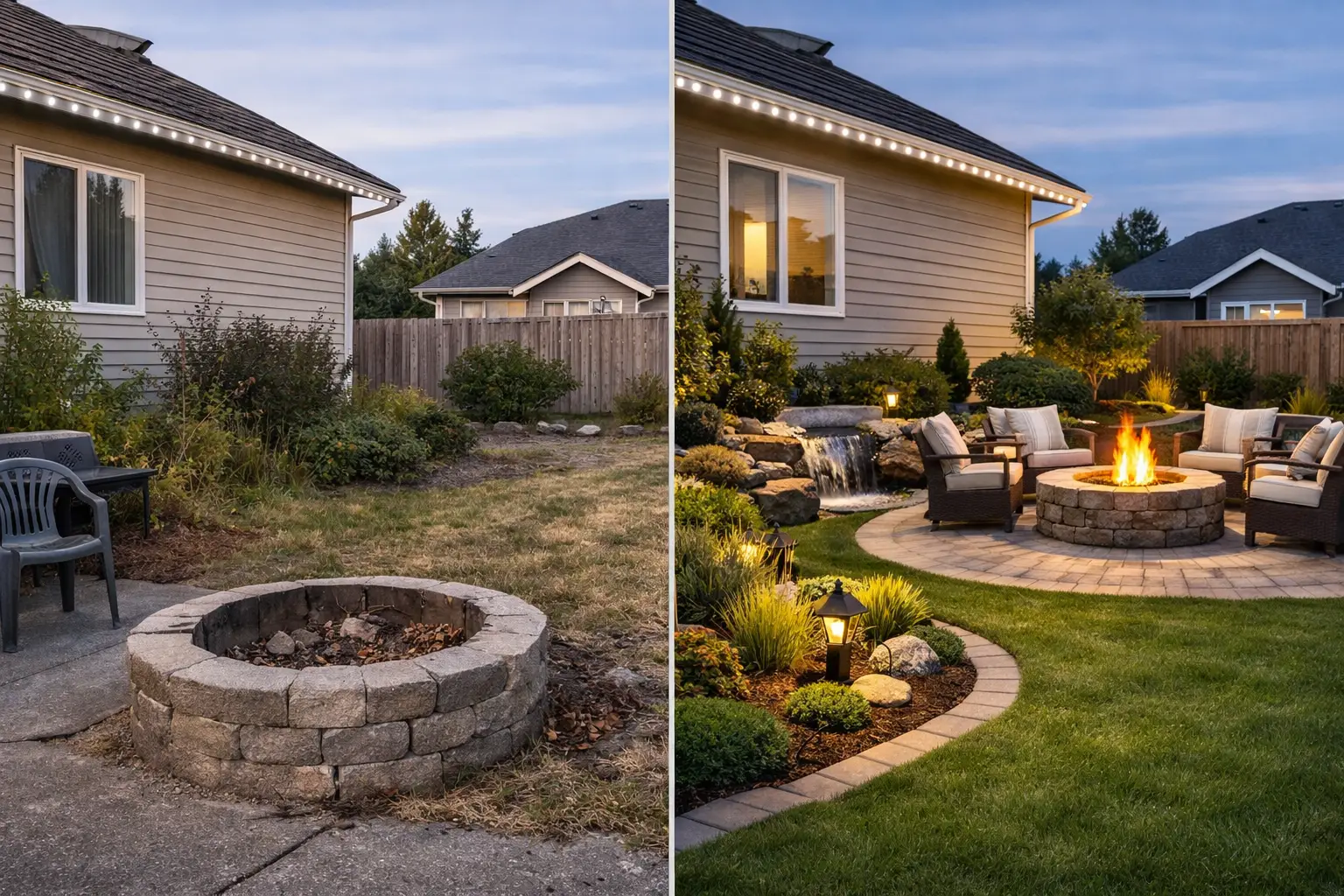
A great landscape makeover before after does not happen because someone added fresh mulch on a Saturday. The real change comes from solving the reasons a yard looked tired in the first place – weak layout, poor lighting, overgrown beds, uneven edges, or features that never worked together. When the plan is right, the after photo looks better. More importantly, the property feels better every day you pull into the driveway.
That difference matters for homeowners who want more than a quick cosmetic fix. A yard can look cleaned up for a week and still feel unfinished. The best transformations create structure, improve visibility, highlight the home, and reduce the amount of constant catch-up maintenance.
What makes a landscape makeover before after stand out
The strongest before-and-after projects usually start with one honest question: what is making the property feel incomplete? Sometimes it is obvious. Shrubs have outgrown the windows, bed lines have disappeared, and the front walk has no visual frame. Other times, the issue is less visible. The home may have attractive architecture, but nothing outdoors is drawing attention to it after sunset.
That is why impressive results are rarely about one element alone. Fresh plants help, but they look even better when paired with defined edging, updated mulch, balanced spacing, and lighting that gives the yard shape at night. A makeover works when all the parts support each other.
There is also a practical side to it. Homeowners often want curb appeal, but they also want easier upkeep, better security, and outdoor spaces that feel finished enough to enjoy. The best after photos usually reflect all of those goals, not just appearance.
The before phase: what to notice before spending money
Before any upgrades begin, it helps to look at the property like a designer and a maintenance crew at the same time. Where does the eye go first? Are there dead zones near the entry? Does the landscaping frame the home, or hide it? Are you dealing with patchy beds, inconsistent plant heights, or decorative features that have aged poorly?
This early assessment prevents expensive guesswork. For example, replacing plants without fixing the bed shape may leave the yard looking scattered. Adding a decorative fountain without addressing drainage or visibility may create one nice feature in a yard that still feels disconnected.
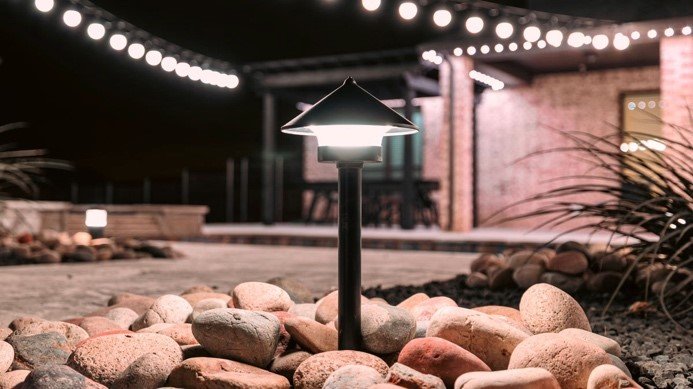
Lighting is another area homeowners often overlook in the before stage. A property can have solid daytime landscaping and still disappear at night. Roofline lighting, landscape lighting, and patio lighting can shift a home from flat and dark to welcoming and polished. If the goal is a true transformation, nighttime appearance should be part of the conversation from the start.
Why the best after photos are built on structure
An attractive yard needs visual order. That does not mean stiff or overly formal. It means the beds make sense, the transitions feel clean, and the features lead your eye naturally toward the home.
This is where edging, trimming, cleanup, and bed redesign often do more work than people expect. When lines are crisp and plant groupings are intentional, even a modest landscape can look upscale. On the other hand, expensive materials can still look underwhelming if the layout feels random.
Retaining walls can also change the entire read of a property when elevation or slope is part of the problem. They add control and definition, but only when they fit the scale of the yard and solve a real need. If they are added just to make the project look bigger, they can overpower the space.
The same is true for decorative ponds, fountains, and water features. They can become the best part of a makeover when they suit the home and the homeowner’s maintenance expectations. If someone wants a low-hassle exterior, adding a feature that requires frequent attention may not be the smartest move.
Plant choices matter, but not the way most people think
People often focus on color first. Color matters, but shape, size, and maturity matter more in the long run. The most successful landscape makeover before after projects use plants to support the property, not swallow it.
A common issue in older landscapes is overplanting. Everything looked neat in year one, then five years later the windows are crowded and the entry feels hidden. Good plant selection accounts for future growth, local conditions, and how much maintenance the homeowner is realistically willing to handle.
There is always a trade-off here. Dense plantings can look lush faster, but they usually require more pruning and can become crowded. Simpler layouts with smart spacing may look cleaner and hold up better over time. Neither approach is automatically right. It depends on the style of the home, the budget, and how involved the owner wants to be after installation.
Lighting is often the missing piece in before-and-after projects
A lot of before-and-after landscaping photos are taken during the day, which can hide one of the biggest missed opportunities on a property. If a home looks strong in daylight but flat at night, the makeover is only doing half the job.
Well-designed exterior lighting adds dimension, safety, and year-round impact. Landscape lighting can define beds, highlight trees, and guide people to the front door. Roofline lighting can sharpen the outline of the home and create a cleaner, more finished look after dark. Patio lighting makes outdoor living spaces more useful on regular weeknights, not just special occasions.
Permanent outdoor lighting is especially valuable for homeowners who want flexibility without the repeated setup and takedown of seasonal options. That matters in neighborhoods where presentation counts and convenience matters just as much. A home that is thoughtfully lit feels cared for, and that impression carries across every season.
Why maintenance determines whether the after stays impressive
The after photo is easy. Keeping the property there is the real test.
Even the best design starts slipping if trimming is delayed, weeds creep into beds, edging softens, or mulch fades into a thin layer of scattered bark. This is one reason many homeowners prefer working with one company that can handle both the makeover and the ongoing exterior upkeep. The crew already understands the design intent, so maintenance supports the original result instead of slowly undoing it.
Seasonal cleanup matters more than many people realize. Spring cleanup resets the property after winter wear. Fall cleanup prevents a good design from being buried under leaves, debris, and neglected growth. Mowing, weeding, and pruning may not sound as exciting as a new installation, but they are what protect the investment.
Custom work usually looks better than package work
No two properties have the same architecture, lot shape, drainage, sun exposure, or focal points. That is why one-size-fits-all landscaping tends to produce average results. The strongest transformations come from custom planning that responds to the actual home.
A ranch-style home may need more horizontal balance across the front. A taller two-story home may benefit from layered plantings and upward lighting to match its scale. A corner lot may need landscaping that reads well from multiple angles, not just straight on from the driveway.
For homeowners in Northwest Ohio and Southeast Michigan, local experience also matters. Weather patterns, soil conditions, seasonal cleanup needs, and plant performance are not abstract details. They directly affect how long a landscape will look fresh and how much work it will take to keep it there. That is one reason a family-owned, licensed, and insured company with certified installation experience brings real value to exterior projects that are meant to last.
When to invest in a makeover instead of piecemeal fixes
Sometimes a few touch-ups are enough. New mulch, selective trimming, and refreshed edging can tighten up a property quickly. But if the yard has multiple problem areas, piecemeal updates often cost more over time and still fail to create a clear after.
A full makeover makes more sense when the layout is dated, the entry lacks definition, the plantings are overgrown, and the home has little nighttime presence. In those cases, coordinated work delivers a stronger result than solving each issue separately over several seasons.
That does not mean every project has to happen at once. Phased work can be smart, especially when priorities are clear. A homeowner might start with cleanup, bed definition, and lighting, then add retaining walls or water features later. The key is having an overall plan so each phase builds on the next.
Hamilton Home Accents approaches exterior projects this way because visible quality comes from the full picture, not isolated upgrades. When landscape enhancement, lighting, and maintenance work together, the before-and-after difference feels complete.
If you are looking at your yard and thinking it needs more than another weekend of catch-up, trust that instinct. The right makeover does more than improve a photo. It gives your home a stronger first impression, a better nighttime presence, and an outdoor space that feels finished every time you come home.