Some yards ask for attention every weekend. Others look clean, finished, and inviting with far less effort. For many homeowners, the best low maintenance landscaping ideas are not about doing less for the sake of it. They are about making smarter choices up front so your property stays attractive without turning into a constant chore.
That matters even more in places with real seasonal swings. In Northwest Ohio and Southeast Michigan, landscapes deal with summer heat, heavy rain, falling leaves, and freeze-thaw cycles. A low-maintenance yard has to do more than look good in a photo. It has to hold up, drain well, and stay manageable from spring cleanup through late fall.
What makes landscaping truly low maintenance
Low maintenance does not mean no maintenance. Every outdoor space needs some level of care. The goal is to reduce the tasks that eat up time and money, especially weeding, trimming, watering, edging, and replacing plants that were never a good fit for the site.
The best results usually come from a few practical decisions working together. Plant selection matters, but so do bed size, mulch depth, hardscape layout, and how much lawn you keep. A yard can fail the low-maintenance test even with hardy plants if the design creates too many edges, too many little islands to mow around, or drainage problems that keep washing materials out.
That is why the best low maintenance landscaping ideas start with layout before they move to decoration. A clean design is easier to maintain than a busy one.
Best low maintenance landscaping ideas that actually work
1. Shrink the lawn where it makes sense
Large lawns demand regular mowing, edging, fertilizing, and watering during dry spells. One of the simplest ways to reduce upkeep is to cut back turf in areas that are not adding much value, like narrow side strips, awkward corners, or spaces under trees where grass struggles anyway.
That does not mean paving over the whole yard. It means being intentional. Keeping lawn where kids play, pets run, or the front yard benefits from open green space makes sense. Replacing problem areas with mulched beds, stone, or ground cover usually saves time every single week.
2. Use wider planting beds with simple lines
Tiny beds with lots of curves often look detailed on paper but create more edging and weed pressure in real life. Wider beds with smoother borders are easier to mulch, easier to mow around, and easier to keep looking neat.
This is one of those choices that affects maintenance more than homeowners expect. A simple bed line also gives the property a more polished appearance. It reads as intentional, not fussy.
3. Choose hardy perennials and shrubs over high-demand annuals
Seasonal color is nice, but annual flowers can turn into a cycle of replanting, deadheading, and watering. Perennials and durable shrubs give you structure and repeat performance with less work, especially when they are selected for local conditions.
In our region, that often means favoring plants that can handle cold winters and humid summers without constant attention. Ornamental grasses, hostas, daylilies, coneflowers, black-eyed Susans, hydrangeas, boxwoods, and spirea are common choices because they offer dependable shape and color. The exact mix depends on sun exposure, soil, and how formal or natural you want the finished look to feel.
4. Mulch deeply and consistently
A fresh layer of mulch does more than make beds look tidy. It suppresses weeds, helps soil retain moisture, reduces temperature swings around roots, and gives the entire landscape a finished appearance.
The key is doing it right. Too little mulch will not do much. Too much can suffocate roots and hold too much moisture against trunks and stems. A clean, even layer in properly prepared beds gives you one of the best returns for the effort.
5. Install edging that holds its shape
Messy bed lines make a yard look higher-maintenance than it is. They also create more work because mulch drifts, grass creeps in, and every mow becomes an edging project.
Defined edging helps keep materials where they belong and gives the yard a sharper visual frame. Depending on the home and budget, that could mean metal edging, paver borders, natural stone, or a professionally cut edge maintained on a routine schedule. The best option depends on whether you want a softer garden look or a more structured finish.
6. Favor decorative stone in the right spots
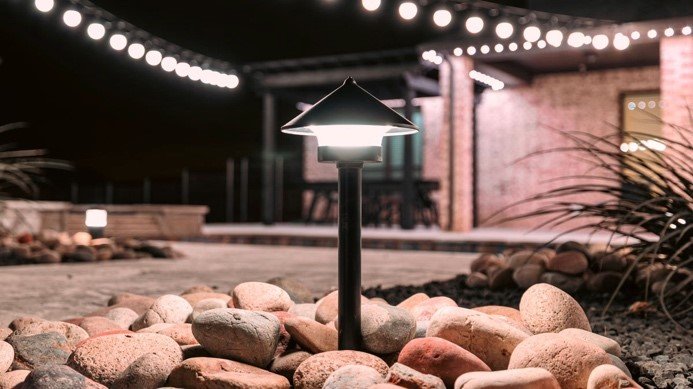
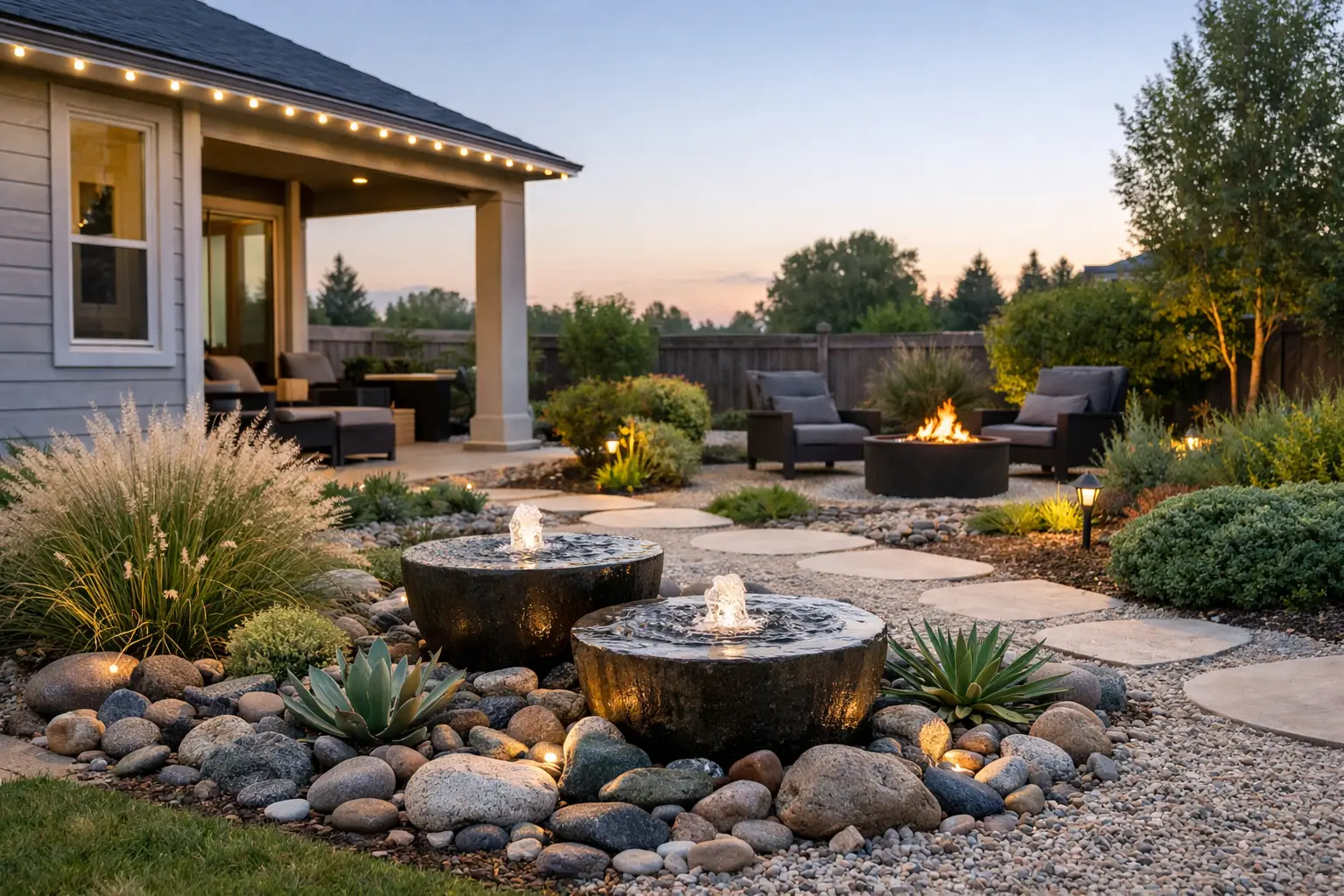
Stone can be a smart low-maintenance material, but only when used strategically. In high-traffic side yards, narrow utility areas, around AC units, or places where mulch tends to wash out, decorative stone often performs better over time.
The trade-off is that stone can collect debris and heat up in full sun, so it is not ideal everywhere. It also works best with weed barrier planning and proper site prep. Used in the right zones, though, it cuts down on material replacement and keeps trouble spots looking clean.
Low-maintenance landscaping ideas for front yards
Front-yard landscaping carries a lot of pressure because it shapes curb appeal every day. The best low maintenance landscaping ideas for front yards usually combine evergreen structure, a limited plant palette, and enough contrast to keep the space from feeling flat.
A common mistake is using too many plant varieties in small quantities. That tends to create a scattered look and makes care more complicated. Repeating a few dependable plants across the front of the house usually looks stronger and is easier to maintain. For example, an evergreen foundation layer, a few flowering shrubs for seasonal color, and mulch or stone to unify the beds often go farther than a long list of specialty plants.
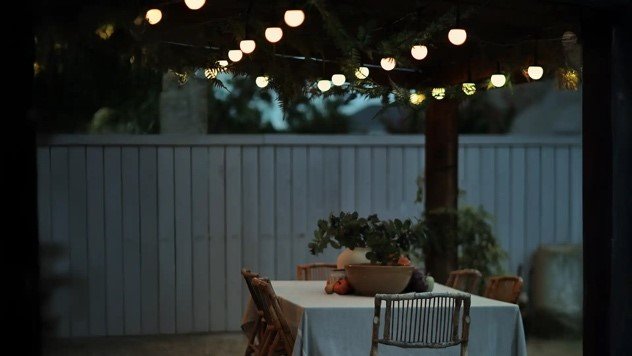
Lighting also plays a bigger role than many homeowners expect. A low-maintenance landscape should still be visible and attractive after dark. Well-placed landscape lighting highlights architectural features, walkways, and planting beds without adding upkeep to the yard itself. That is one reason many homeowners pair landscaping upgrades with permanent outdoor lighting – it extends the value of the investment beyond daylight hours.
Hardscape features that reduce upkeep
Hardscaping earns its place in a low-maintenance plan because it replaces living material that needs regular care. Patios, retaining walls, stepping paths, and defined seating areas can make outdoor spaces easier to use and easier to maintain.
Retaining walls are especially useful on sloped lots or areas where erosion keeps damaging beds. They create control. Instead of fighting runoff and soil movement, you build a structure that holds the space in place and reduces ongoing corrections.
Patio areas are another smart upgrade when homeowners want more outdoor enjoyment without more yard work. A well-designed patio gives you usable square footage that does not need mowing or weekly attention. The trade-off is the upfront cost, but for many households the reduction in maintenance and the increase in day-to-day enjoyment make it worthwhile.
Where homeowners go wrong with low-maintenance plans
The biggest mistake is treating low maintenance like a product instead of a design strategy. There is no single plant, mulch type, or stone color that makes a yard easy to care for on its own. Everything has to work with the site.
Another common issue is overcrowding. Plants look small on installation day, so it is tempting to place them too close together for instant fullness. A couple of years later, you are pruning constantly or replacing plants that are competing for space. Proper spacing feels slower at first, but it saves work later.
Drainage gets overlooked too often. If water pools near beds, washes mulch into the lawn, or settles around the foundation, the yard will never feel low maintenance no matter what plants you buy. Solving grade and drainage issues early usually prevents bigger headaches down the road.
When professional design makes the difference
Some low-maintenance upgrades are simple enough for a homeowner to handle in phases. Others benefit from professional planning, especially if you are changing bed layouts, adding retaining walls, updating landscape lighting, or trying to solve recurring maintenance issues instead of just refreshing the look.
A professional eye can help you avoid spending money twice. That might mean choosing materials that fit the property better, scaling the design to the size of the home, or selecting plant groupings that will still look balanced several seasons from now. For homeowners who want a cleaner, more durable exterior without piecing it together bit by bit, that guidance can be the difference between a yard that merely looks improved and one that stays that way.
The best landscapes are not always the most elaborate. Usually, they are the ones that fit the home, fit the climate, and fit the amount of upkeep a homeowner realistically wants to handle. If your yard has become one more weekend obligation, a simpler, smarter design may be the upgrade you notice most.