The houses that stand out at night usually are not the brightest. They are the ones with clean lines, balanced color, and lighting that looks like it belongs there. That is exactly why permanent outdoor house light installation has become such a smart upgrade for homeowners who want more than a few weeks of holiday impact. When it is designed well and installed correctly, it adds everyday curb appeal, practical visibility, and the freedom to change the look of your home whenever you want.
For many property owners, the real appeal is not just color-changing convenience. It is getting rid of the yearly ladder work, the tangled cords, the burnt-out bulbs, and the rushed setup before a holiday or family event. A permanent system gives you a polished result that stays in place and works across seasons, celebrations, and ordinary evenings when you simply want your home to look finished.
Why permanent outdoor house light installation makes sense
A lot of exterior upgrades are easy to admire but harder to justify. Permanent lighting is different because it does more than one job. It improves the appearance of your home, helps define rooflines and architectural features, and can also add a layer of nighttime visibility around entry points, garages, patios, and walkways.
That flexibility matters. One week you may want subtle warm white lighting that highlights your home in a clean, understated way. The next, you may want school colors for a game day, patriotic colors for a summer holiday, or a festive setup for the winter season. A well-built system lets you shift the mood without changing the hardware.
There is also a long-term value side to it. Seasonal decorating takes time, often costs more than homeowners expect over the years, and comes with wear and tear on clips, cords, and roof edges. Permanent lighting reduces the annual hassle while giving you something that contributes to the home year-round instead of only during a few peak months.
What separates a professional installation from a quick add-on
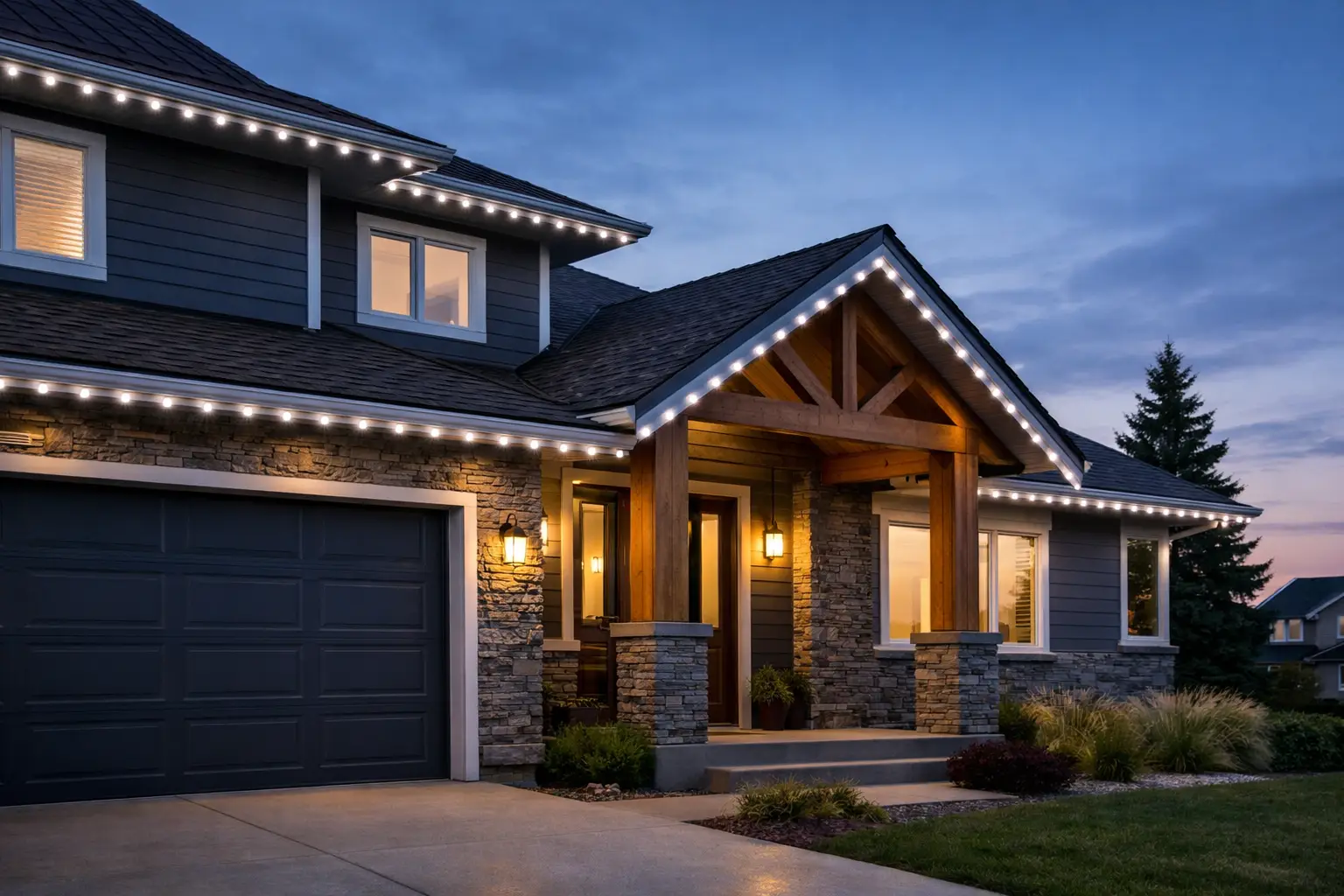
Not all systems look the same once they are up, and that usually comes down to planning. A professional permanent outdoor house light installation is designed around the shape of the home, the sightlines from the street, and the parts of the exterior you actually want to emphasize. That might mean roofline lighting as the main feature, or it might include patio zones, landscape lighting, and accent areas that create a more complete nighttime look.
The biggest difference is restraint. Good lighting should enhance the home, not overpower it. That takes careful spacing, clean wire management, attention to trim color, and product selection that fits the architecture. On some homes, a low-profile roofline system creates the strongest result. On others, the better investment is combining permanent roof lighting with landscape accents to keep the whole property visually balanced.
Professional installation also matters because outdoor conditions are not forgiving. You need proper mounting, durable components, and a setup that can hold up through Midwest weather swings. Homeowners in Northwest Ohio and Southeast Michigan know what that means – heat, rain, snow, wind, and freeze-thaw cycles all in one year. A system that looks good for one season but starts shifting, fading, or failing later is not much of an upgrade.
Choosing the right lighting system for your home
This is where customization matters most. Some homeowners want the premium finish and long-term versatility of a professionally installed system like Jellyfish Lighting. Others are looking at Govee permanent outdoor lighting for certain applications and budget levels. The right fit depends on the home, the visual goals, and how the system will be used throughout the year.
The question is not just which brand is popular. It is whether the system fits your home and your expectations. If you care about a clean daytime appearance, reliable app control, strong customization, and a design that feels integrated with the architecture, those details should guide the recommendation. A family home in Perrysburg may need a different lighting plan than a retail storefront in Sylvania or a larger custom home with multiple peaks and outdoor living areas.
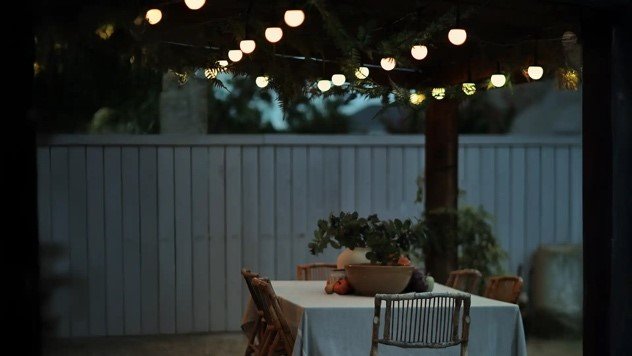
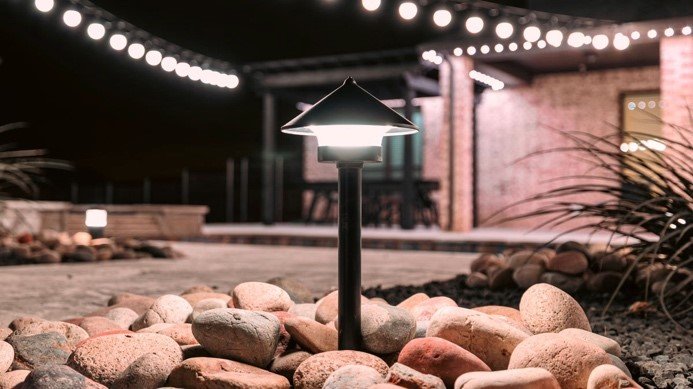
It also helps to think beyond the front roofline. Many of the best results come from layering. Roofline lighting brings structure and visibility from the street. Patio lighting makes outdoor spaces more usable and inviting. Landscape lighting adds depth and keeps the whole property from disappearing into darkness below the eaves. When those elements work together, the home looks intentional instead of pieced together.
Design matters more than brightness
One of the most common mistakes homeowners make is assuming brighter automatically means better. In practice, too much intensity can flatten the look of the home and make the lighting feel harsh. The strongest installations use color, spacing, and placement to create definition.
Warm white is often the best everyday setting because it feels classic and high-end. It complements most siding, brick, and stone finishes without looking overly commercial. Color scenes are where permanent systems become fun, but even then, the best results usually come from a thoughtful palette rather than using every option at once.
This is especially true for homes in established neighborhoods where curb appeal matters. You want your property to stand out for the right reasons. The goal is a home that looks polished, welcoming, and cared for, whether the lights are set for a quiet evening or a holiday weekend.
Installation day is only part of the job
A lot of homeowners focus on the final look, which makes sense, but the process behind it matters just as much. A good contractor does not treat permanent lighting like a generic add-on. The work should start with a consultation, a review of the home’s layout, and a conversation about how you want to use the system over time.
That includes practical questions. Which elevations are visible from the street? Where do you entertain? Do you want simple year-round accent lighting or frequent color changes for events and holidays? Are there landscaping features, retaining walls, or patios that should be included now or planned for later?
The answers shape the design. They also help avoid overspending in the wrong areas. Some homes need full front elevation coverage to make a visual impact. Others benefit more from selective placement and a few well-chosen focal points. It depends on the architecture, the lot, and your goals.
Working with a licensed and insured installer adds another layer of confidence. It means the project is being handled by a team that understands exterior materials, safe installation practices, and the finish quality homeowners expect from a premium service. That matters if you are investing in a system you plan to enjoy for years.
What homeowners should expect after installation
The best permanent lighting systems make life easier, not more complicated. You should be able to adjust colors, patterns, brightness, and schedules without turning it into a weekly project. That ease of use is a big reason so many homeowners make the switch after years of putting up traditional holiday lights.
You should also expect the lighting to work as part of your home’s overall exterior presentation. If your landscaping is overgrown, your beds are unfinished, or your patio area disappears after dark, lighting alone may not get the result you want. This is where a broader exterior improvement approach can make a real difference. Lighting is often strongest when paired with clean landscaping, fresh mulch lines, trimmed edges, and outdoor features that already give the property structure.
That is one reason homeowners often prefer working with a company that understands the whole exterior, not just one product. A custom lighting plan tends to be better when it is informed by curb appeal, maintenance needs, and how the property functions day to day.
Is permanent outdoor lighting worth it?
For the right homeowner, yes. If you want a low-maintenance way to improve curb appeal, celebrate throughout the year, and add usable nighttime presence to your home, it is one of the more versatile upgrades you can make. It is especially worthwhile if you are tired of seasonal setup or want your home to look more finished after dark.
The trade-off is that this is not a purchase where cutting corners usually pays off. Product quality, design, and installation all affect how the system looks and how well it lasts. A cheap setup can still cost a lot if it performs poorly or distracts from the appearance of the home.
That is why custom planning matters. A system should fit your property, not force your home into a standard package. When the design is right, the result feels less like holiday lighting and more like a permanent exterior upgrade.
If you have been thinking about a cleaner, smarter way to light your home year-round, start by looking at your house the way your neighbors and guests see it after sunset. The right lighting does not just make it brighter. It makes it feel complete.