The easiest way to ruin the look of permanent outdoor lighting is to treat it like a quick weekend add-on. Govee smart light installation can look clean, intentional, and high-end, or it can end up with uneven spacing, visible wiring, and weak coverage in the spots that matter most. The difference usually comes down to planning, placement, and whether the system is installed with the home’s architecture in mind.
For homeowners who want year-round color, holiday flexibility, and more curb appeal without dragging out ladders every season, Govee is a practical option. It gives you app control, preset scenes, and a lot more personality than traditional string lights. But getting the final result you actually want takes more than sticking lights under an eave and opening an app.
What good Govee smart light installation really involves
At a glance, the product seems simple. You mount the lights, connect the power, pair the system, and start choosing colors. In reality, the installation process has a few pressure points that affect both appearance and long-term reliability.
The first is layout. Rooflines are rarely as simple as they look from the driveway. Peaks, soffits, garage sections, entry overhangs, and transitions between levels all change how the lights should be spaced and where power should begin. If the run is planned poorly, you can end up with dead zones, awkward brightness changes, or sections that draw attention to the wrong part of the house.
The second is surface condition. Outdoor lighting lasts longer when it is mounted to clean, stable surfaces. Dirt, peeling paint, aging soffit material, and moisture exposure can all reduce how well adhesives and clips hold over time. On a newer home, this may be straightforward. On an older exterior, preparation matters a lot more.
The third is visibility. Permanent lights should not look like an afterthought during daylight hours. A good installation hides wires, keeps lines straight, and places the fixtures where they create the intended nighttime effect without being obvious from the street. That is often the line between a polished upgrade and something that feels improvised.
Planning the layout before installation starts
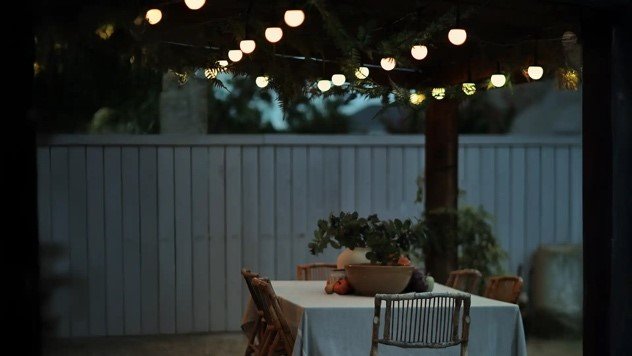
Before any lights go up, it helps to decide what you want the system to do most often. Some homeowners want a low-key everyday glow for evenings on the patio. Others want bold holiday scenes, game day colors, or a brighter perimeter effect for special occasions. Those goals affect placement.
For example, if your focus is curb appeal from the street, the main roofline and garage are usually the priority. If you spend more time in the backyard, patio edges and rear-facing sections may deserve equal attention. If you want a balanced look, you need the design to account for the whole property rather than just the front-facing eaves.
This is where custom planning matters. Not every home should be lit the same way, and not every Govee run should follow the full perimeter. Sometimes less coverage creates a better result, especially if the architecture has standout focal points like front gables, a porch entry, or stone columns that already give the home visual structure.
Where homeowners run into trouble
Most issues with Govee smart light installation are not caused by the app or the lights themselves. They usually come from decisions made during mounting.
One common mistake is inconsistent distance from the wall. If one section is tucked tightly under the soffit and another sits farther out, the light wash can change dramatically. That makes the house look patchy at night, even when the colors are synced correctly.
Another problem is poor wire management. Outdoor lighting should be secure and discreet. Loose cable runs, awkward bends around corners, and visible drops near outlets can distract from the finished look. They can also create maintenance headaches later.
Power placement is another detail that gets underestimated. The power source needs to be accessible, protected, and logical for the run. If installation starts from the wrong location, you may end up forcing extensions or routing cables in ways that are harder to hide.
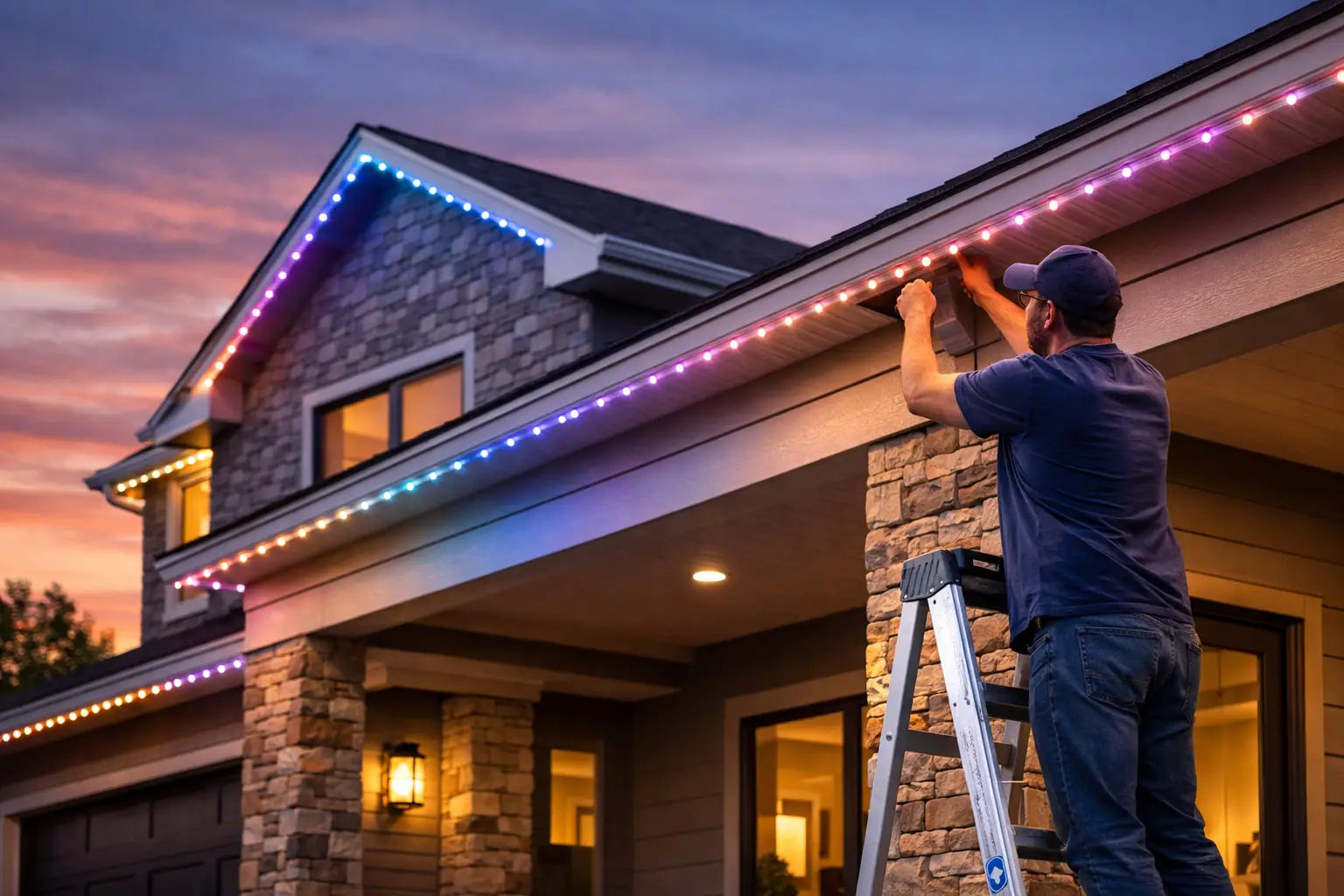
There is also the ladder factor. Multi-story sections, steep grade changes, and hard-to-reach rooflines can turn a basic install into a safety issue quickly. Even confident DIY homeowners often find that the physical challenge is more demanding than expected, especially when they are trying to keep lines straight while working overhead.
DIY vs professional installation
Some homes are reasonable candidates for a do-it-yourself approach. A single-story ranch with straightforward soffits, nearby power, and easy access is very different from a taller home with several roofline changes and long runs. If your goal is basic function and you are comfortable with careful measuring and ladder work, DIY may be enough.
But if your goal is a clean, premium finish, professional installation usually pays off. The visual result is better, and the process tends to be more efficient. That matters when you are investing in a system meant to stay up year-round.
Professional installers also bring a practical eye for what will hold up over time. They know how to work with corners, transitions, and mixed exterior materials. They can spot issues before they become visible problems, such as uneven fascia lines, weathered attachment surfaces, or placements that create glare instead of a smooth lighting effect.
For many homeowners, the value is not just labor. It is confidence. You get a system designed around your house, installed safely, and finished in a way that supports both daytime appearance and nighttime performance.
The app setup matters more than people expect
Once the hardware is in place, software setup is what turns permanent lighting into something you actually enjoy using. Govee’s appeal is flexibility. You can schedule colors, change scenes, and adjust brightness for different seasons and events. But that convenience only feels convenient if the system is connected properly and organized well from the start.
A rushed setup can leave you with confusing group names, inconsistent scene behavior, or controls that are harder to manage than they should be. It helps to think through how you want to use the lights in real life. Do you want a subtle warm look for most evenings, then brighter themes for holidays and parties? Do you want front and back zones separated? Do you want simple presets that anyone in the household can use without fiddling with settings every time?
Those are small decisions, but they affect how often the system gets used. When setup is thoughtful, the lights become part of the home. When setup is messy, they can start to feel like another device that sounded good at first but became annoying to manage.
How weather and exterior conditions affect installation
In Northwest Ohio and Southeast Michigan, outdoor systems need to handle real seasonal swings. Heat, cold, wind, rain, and snow all test the quality of the install. That is why attachment method, surface prep, and cable routing matter so much.
A light system that looks fine on day one can develop sagging sections or loose points after weather exposure if the install was rushed. Corners are especially vulnerable, and so are areas near gutters or places where water regularly moves across the surface.
This does not mean Govee is a bad option for the region. It means the install should respect the climate. A careful approach gives the system a better chance of staying neat and dependable through changing seasons.
Why design still matters with smart lighting
Smart features get attention, but design is what neighbors notice. Color-changing capability is fun, but the system should still make the house look better on an ordinary Tuesday in March. That is where a craftsmanship-driven approach matters.
A well-designed install highlights the architecture instead of overpowering it. It frames rooflines cleanly, supports the home’s shape, and creates a finished look even when the colors are subtle. Brightness, spacing, and coverage all play a role here. More light is not always better. Sometimes a restrained layout produces the most upscale result.
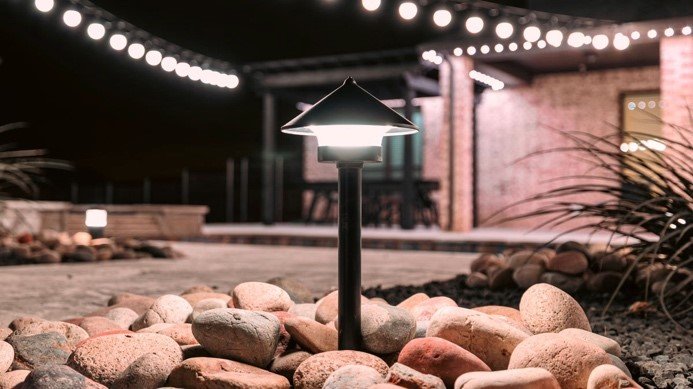
That is especially true for homes with strong exterior details already in place. Stonework, columns, landscape beds, and patios can either work with the lighting or compete against it. The best installations account for the whole exterior, not just the light run itself.
When it makes sense to call a pro
If your home has multiple peaks, second-story sections, limited outlet access, or a layout where the front and side elevations need to feel balanced, calling a professional is often the smarter move. The same goes if you care a lot about hidden wiring, precise spacing, and a result that looks custom rather than pieced together.
For homeowners who already invest in their landscaping, patio spaces, and curb appeal, lighting should match that standard. A professional installer can help you avoid the trial-and-error stage and get to the finished result faster.
At Hamilton Home Accents, that kind of work starts with looking at the house itself, not forcing a standard package onto every property. That approach matters because no two homes present the same sightlines, mounting conditions, or design priorities.
If you are considering Govee smart light installation, think past the box and picture the final result from the street, from your patio, and in the middle of winter when you want the system to work without a second thought. The right lighting should feel like it always belonged there.