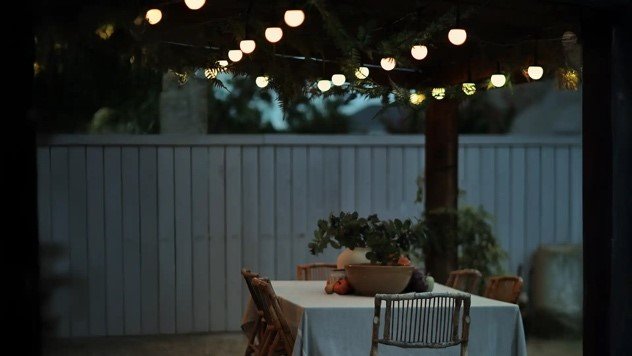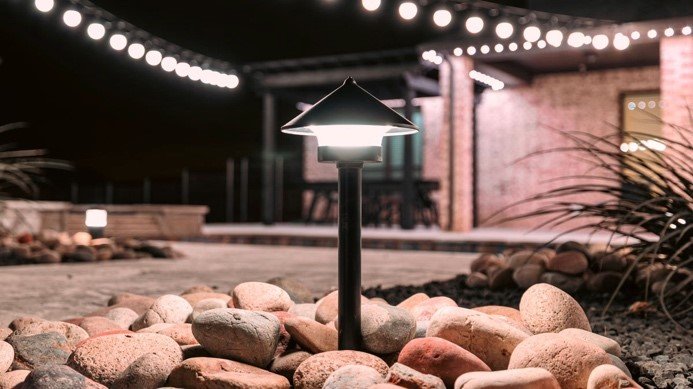
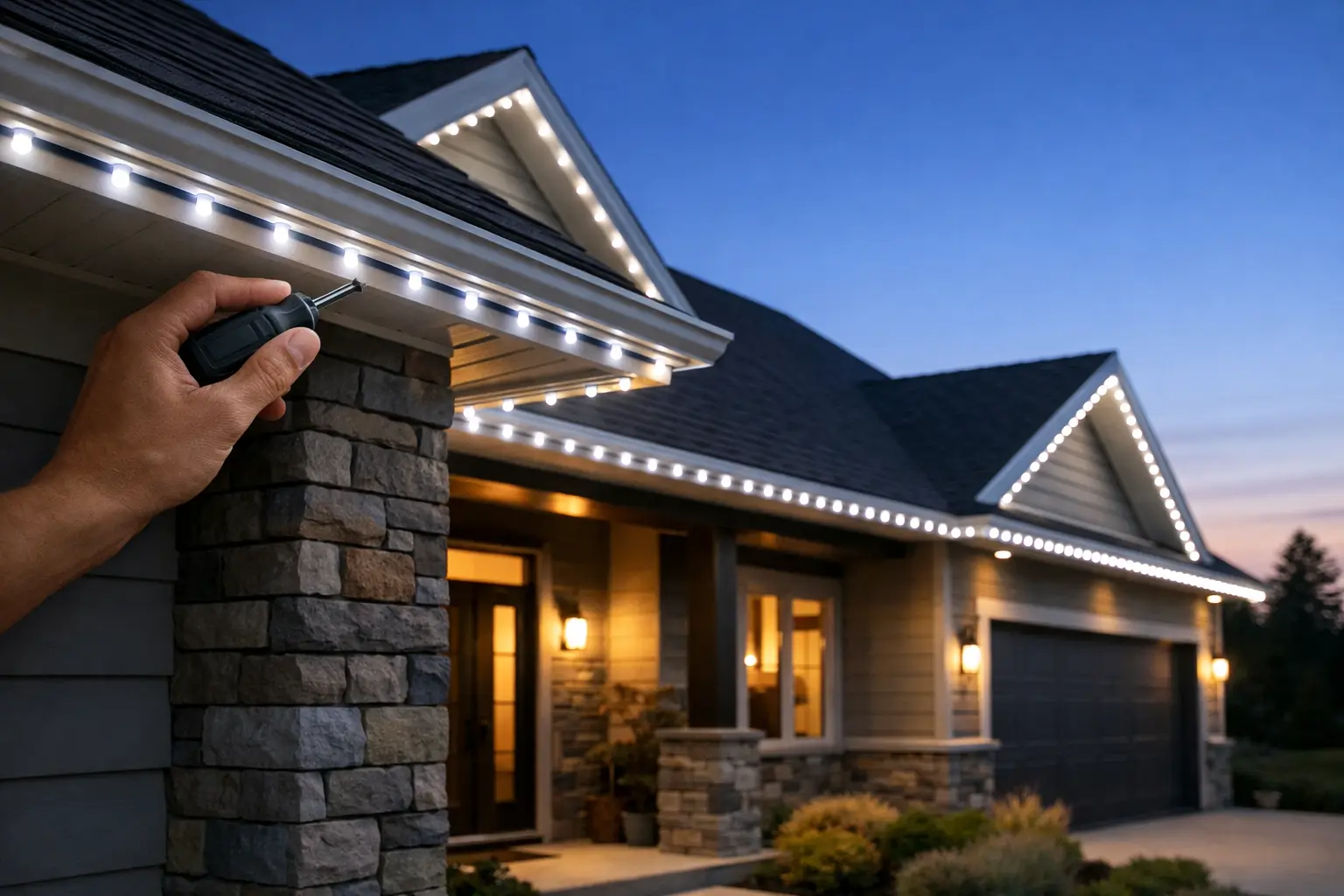
A good outdoor lighting setup can make a home look sharper at night, feel safer around entryways, and cut down on the yearly hassle of replacing outdated fixtures. If you’re figuring out how to install outdoor LED lights, the real job starts before the first screw goes in. Layout, power source, fixture type, and weather exposure all matter just as much as the installation itself.
For some homeowners, this is a manageable weekend project. For others, especially when rooflines, permanent color-changing systems, or hardwired runs are involved, professional installation is the better call. The difference usually comes down to how visible the wiring will be, how permanent you want the result to look, and how comfortable you are working around exterior power.
How to install outdoor LED lights without regrets
The biggest mistake people make is buying lights first and planning second. Outdoor LED lighting works best when each fixture has a purpose. You might want path lights for safety, uplighting for landscaping, soffit lighting for architectural detail, or patio lighting for evening use. Those goals affect spacing, beam angle, brightness, and where power needs to be available.
Start by walking your property at dusk. Notice where the house goes dark, where guests naturally walk, and what deserves attention. Front entries, garage lines, patios, retaining walls, and mature trees are usually worth lighting. At the same time, not every corner needs to glow. Too much light can flatten the look of the home and create glare from the street.
Think in layers. A few well-placed fixtures often look better than a long row of lights installed at equal distances just because the box suggested it. If you want a polished result, aim for balance rather than maximum brightness.
Pick the right kind of outdoor LED system
There is no single best setup for every property. It depends on whether you want a simple improvement or a long-term exterior upgrade.
Solar LED lights are the easiest to place because they do not require wiring, but performance depends heavily on sun exposure and battery quality. In shaded yards or during long Midwest winters, they can be inconsistent.
Low-voltage LED lighting is a strong option for landscape beds, walkways, and patios. It offers a cleaner, more dependable result than solar and is generally safer and easier to work with than full line-voltage systems. Most homeowners who want a custom look without major electrical work end up here.
Line-voltage hardwired fixtures make sense for certain sconces, flood lights, and permanent architectural lighting, but installation gets more technical. If you are tying into existing exterior circuits, adding junction boxes, or drilling through finished surfaces, the margin for error gets smaller fast.
Then there are permanent exterior lighting systems. These are designed to stay on the home year-round and can handle everyday accent lighting, holidays, game days, and special events. When homeowners want a clean roofline appearance without seasonal setup and takedown, this route usually provides the strongest long-term value. It also tends to be where certified installation matters most.
Gather materials before you start
For a typical low-voltage project, you will usually need LED fixtures, low-voltage cable, a transformer rated for outdoor use, mounting hardware, waterproof wire connectors, and a timer or smart control if desired. Depending on where you are installing, you may also need a shovel or trenching tool, drill, exterior-rated screws, silicone sealant, and a voltage tester.
The key is compatibility. Not all transformers play nicely with all loads, and not all fixtures are built for the same weather conditions. Check wet-rated versus damp-rated products carefully. A covered porch and an exposed landscape bed are not the same environment.
Plan power and cable runs carefully
Before you install anything, decide where the system will get power. For low-voltage lights, that usually means mounting a transformer near an outdoor GFCI outlet. Try to keep it accessible but not obvious. On the side of a garage or tucked near service equipment often works better than placing it front and center.
From there, map the cable route to each fixture. Keep runs as direct as possible, but avoid spots where future edging, planting, or digging are likely. Cable does not need to be buried deeply in many low-voltage applications, but it should still be protected and kept neat. Sloppy wiring is one of the fastest ways to make a lighting project look temporary.
If voltage drop is a concern because the run is long or the fixture count is high, you may need heavier gauge wire or multiple cable runs. This is where DIY installs can start to fall off in quality. A system that looks bright near the transformer and dim at the far end was not planned correctly.
Installing the fixtures
Mounting methods depend on the fixture type. Path lights are usually staked into the ground, but that does not mean placement should be casual. Keep them slightly back from the pavement edge so they do not look crowded or get knocked loose during mowing and trimming.
Spotlights and uplights should be positioned with the final effect in mind, not just the easiest access to cable. Aim them before you secure everything fully. A slight angle change can mean the difference between highlighting a stone column beautifully and blasting light into a bedroom window.
Wall-mounted LED fixtures need extra attention. Use exterior-rated boxes and seals, and make sure the mounting surface is sound. Water intrusion around a fixture can create bigger problems than bad lighting. If the fixture is replacing an older unit, inspect the wiring condition before assuming it is safe to reuse.
For roofline or permanent track-based systems, appearance matters as much as function. Straight lines, hidden fasteners, clean color matching, and discreet wire management are what separate a professional finish from a visible add-on. This is often the point where homeowners decide their time is better spent letting trained installers handle it.
Make your connections weatherproof
Outdoor connections fail when moisture gets in or when connectors are rushed. Use connectors rated for exterior use and follow the manufacturer’s instructions exactly. If you are working with low-voltage pierce-style connectors, make sure the contact is solid. If the fit is loose, the light may work for a week and then stop after the first heavy rain.
After connecting the system, test it before burying cable or fully securing fixtures. This saves time and frustration. Walk the property at night and check spacing, beam direction, and brightness. Daylight can hide problems that become obvious as soon as the sun goes down.
Adjust brightness and color with restraint
LED technology makes it easy to go brighter than necessary. More output is not always better. Entry lighting should feel welcoming, not harsh. Landscape lighting should create depth, not erase it.
Color temperature matters too. Warm white usually feels more natural on homes, stonework, and landscaping. Cooler tones can look crisp on modern architecture, but they can also feel stark if overused. If you are installing a color-changing system, make sure everyday settings still look tasteful when it is not a holiday or event.
Know when to call a pro
If your project involves new hardwired circuits, roofline lighting, ladder work at height, or a permanent system you expect to use for years, hiring a professional is often the smarter investment. The best installs do more than turn on. They look intentional in the daytime, hold up through weather, and fit the architecture of the property.
That is especially true if curb appeal is the goal. A clean custom design can add visible value to a home, while an uneven or overlit setup can do the opposite. Homeowners across Northwest Ohio and Southeast Michigan often want lighting that works every night and still looks polished from the street. That usually takes more planning than a big-box kit can deliver.
At Hamilton Home Accents, we see this all the time with permanent outdoor lighting projects. Homeowners want the convenience of year-round lighting, but they also want certified installation, clean lines, and a system tailored to their home instead of a one-size-fits-all approach.
Common installation mistakes to avoid
The most common problems are poor spacing, exposed wire, mismatched fixture styles, and choosing lights that are too dim or far too bright. Another frequent issue is ignoring maintenance access. If replacing a driver, cleaning a lens, or adjusting a fixture becomes a chore, the system was not laid out with real-life use in mind.
It is also easy to underestimate how much the daytime look matters. Outdoor lighting should not feel like an afterthought hanging off the house. Even when the lights are off, the installation should look neat and integrated.
If you take your time, use the right products, and stay honest about your comfort level with electrical work, learning how to install outdoor LED lights can pay off in a big way. And if the project starts to look bigger than expected, that is not failure. It is usually the moment when a professionally installed system becomes the best path to the result you actually want.