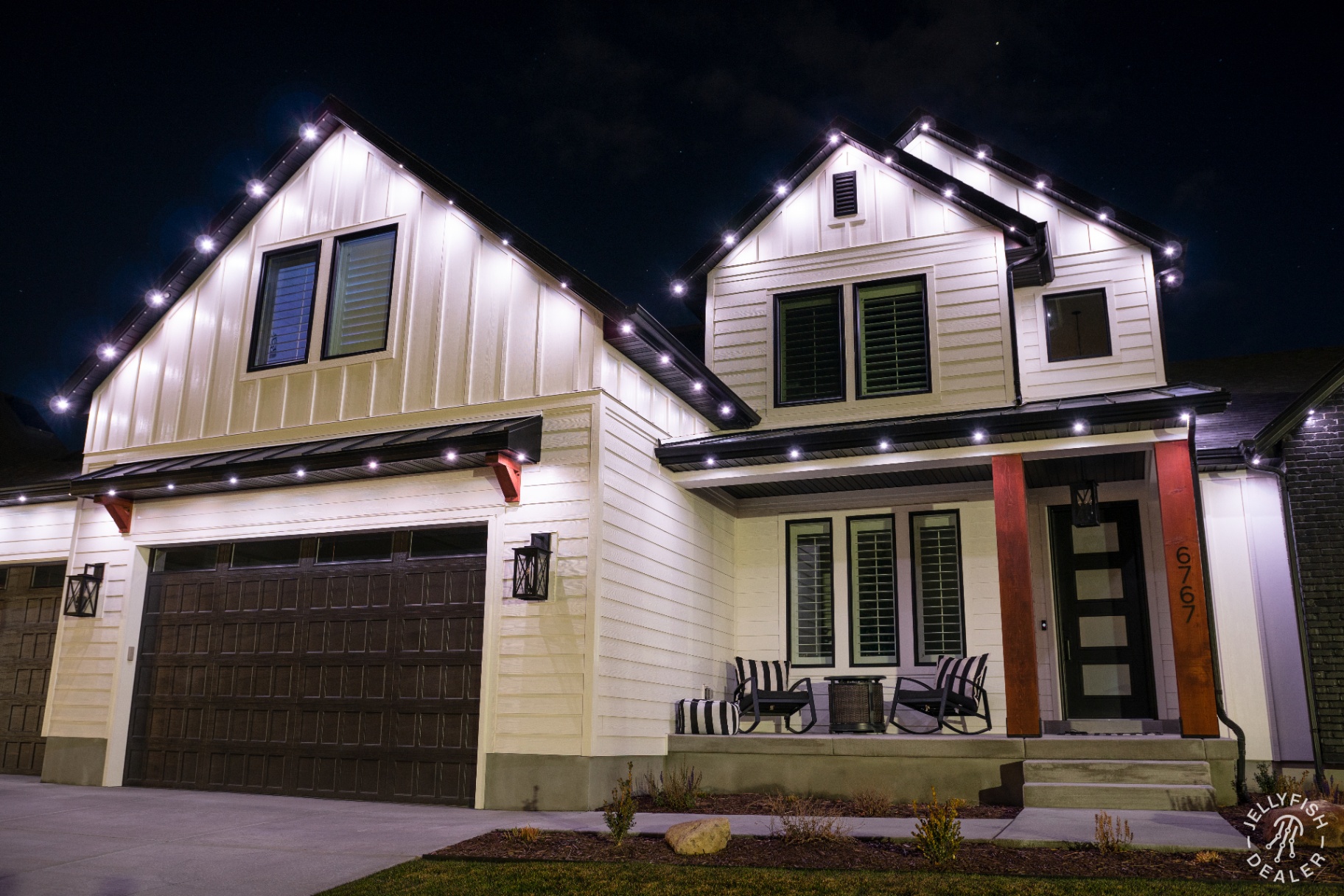
Traditional Holiday Lighting in Northwest Ohio: What to Expect Start to Finish
Traditional holiday lighting installation process in Northwest Ohio, from your first quote through takedown, explained step by step so you know what to expect.

The traditional holiday lighting installation process starts with a quote and design conversation, moves through install on the schedule you agree to, and ends with takedown after the season, with maintenance available if something goes out in between. Homeowners calling us for the first time usually want a clear picture of that whole timeline before committing.
Northwest Ohio weather adds its own wrinkle to the schedule, since we work around wind, rain, and eventually snow and ice as the season progresses. Booking early gives us more flexibility to work around all of that.
This post walks through what to expect from your first call to the day the lights come down, so there are no surprises once you book.
Step one: the quote and design conversation
Everything starts with a look at your home, either during a visit or through photos and a conversation about what you want covered: roofline, windows, trees, shrubs, or a combination. This is also when we talk through color choices, whether that is classic warm white, multicolor, or a specific palette for the season.
We will ask about your timeline too, since some homeowners want lights up right after Halloween and others are fine waiting until closer to Thanksgiving. Both are workable, but earlier requests get first pick of scheduling.
If you are also considering permanent Jellyfish lighting down the road, this is a good time to ask about it, since some homeowners use a traditional season to test out lighting the house before committing to a permanent system.
Step two: scheduling around Northwest Ohio weather
Once you approve a quote, we schedule your install based on your requested timing and our route through the area that week. Wind and rain can push an install day by a day or two, but we build buffer into the schedule so this rarely affects your overall timeline.
As the season moves later into November and December, snow and ice become a bigger factor in scheduling, which is one reason earlier bookings tend to run smoother.
We will keep you posted if weather is going to move your install date rather than leaving you guessing.
Step three: install day
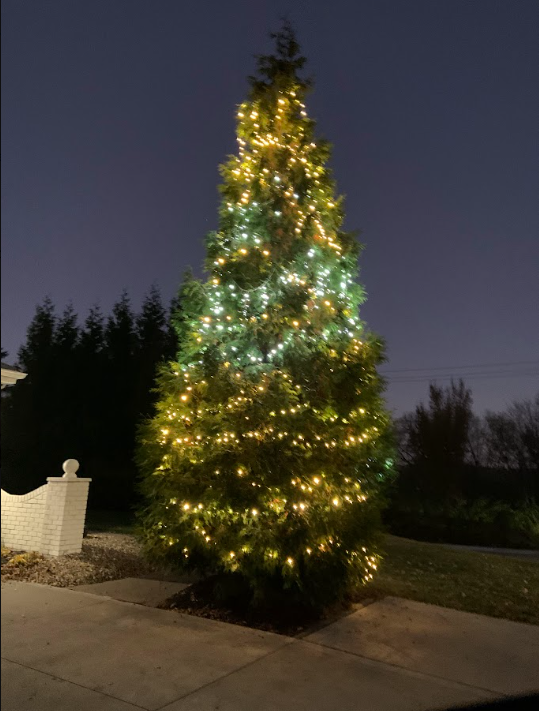
On install day, our crew runs lighting along the agreed sections of roofline, trim, or trees, securing strands with clips designed to protect your gutters and fascia rather than nails or staples. We test everything before we leave to confirm it is lit and working as expected.
Most residential installs are completed in a single day, though larger homes or more elaborate designs, like wrapped trees and multiple structures, can take longer.
We walk the property with you at the end if you would like to review the finished look before we pack up.
- Roofline and gutter lines secured with clips, not fasteners into the surface
- Extension cords and connections routed to minimize visible wiring
- Timers or outlet connections set up as part of the install
- Full test and walkthrough before the crew leaves
Step four: support through the season
If a strand goes out or a connection comes loose during the season, whether from a storm, an animal, or normal wear, let us know and we can address it. This is part of why we recommend traditional lighting through a company rather than only a DIY box-store setup, since support exists if something needs attention mid-winter.
According to general guidance from the Consumer Product Safety Commission on holiday lighting, inspecting light strands for damage periodically through the season is good practice regardless of who installed them, and we build that awareness into our maintenance conversations.
We would rather hear about an issue in December than have a section sit dark for the rest of the season.
Step five: takedown
Once the season wraps up, we schedule takedown as part of the service, which means you are not up on a ladder in January pulling down cold, stiff light strands yourself. We remove lighting, clips, and any extension cords used during the install.
Takedown timing is generally flexible within a window after the holidays, and we coordinate a date with you rather than showing up unannounced.
If you only need takedown without a new install, for example lights someone else put up, we cover that separately in our post on takedown-only service.
How this compares to doing it yourself
A DIY holiday lighting setup can work fine for smaller homes or homeowners who enjoy the project, but it comes with real tradeoffs: ladder time, cold-weather work, and eventually the same task in reverse for takedown. It also puts strand quality and clip choice entirely on you.
Professional traditional lighting removes the ladder work and gives you a design conversation upfront rather than trial and error with strand lengths and outlet placement.
Some homeowners split the difference, handling smaller accents themselves while having us cover the roofline and larger trees, and that is a reasonable approach too.
Frequently asked questions
How far in advance should I book traditional holiday lighting?
Earlier is better, ideally in October, since scheduling gets tighter as weather narrows our install window later in the season. We cover timing specifics in our post on when to book.
Do you handle both install and takedown?
Yes, takedown is part of our standard traditional lighting service and is scheduled for after the holidays.
What happens if a strand goes out mid-season?
Let us know and we can address it. We would rather fix an issue during the season than have a section stay dark until takedown.
How long does a typical install take?
Most residential installs are completed in a single day, though larger homes or more elaborate designs involving multiple structures or wrapped trees can take longer.
The bottom line
- The process runs from quote and design through install, in-season support, and takedown.
- Earlier bookings mean more scheduling flexibility as winter weather sets in.
- Install day includes clip-based mounting, cord management, and a full test.
- Mid-season support is available if something needs attention.
- Takedown is handled as part of the service so you are not doing it yourself in the cold.
Ready to get on the schedule this season
Book early for the best scheduling flexibility as the weather turns.
Get a free quote