Saber Series Linear Lighting for Modern Home Facades
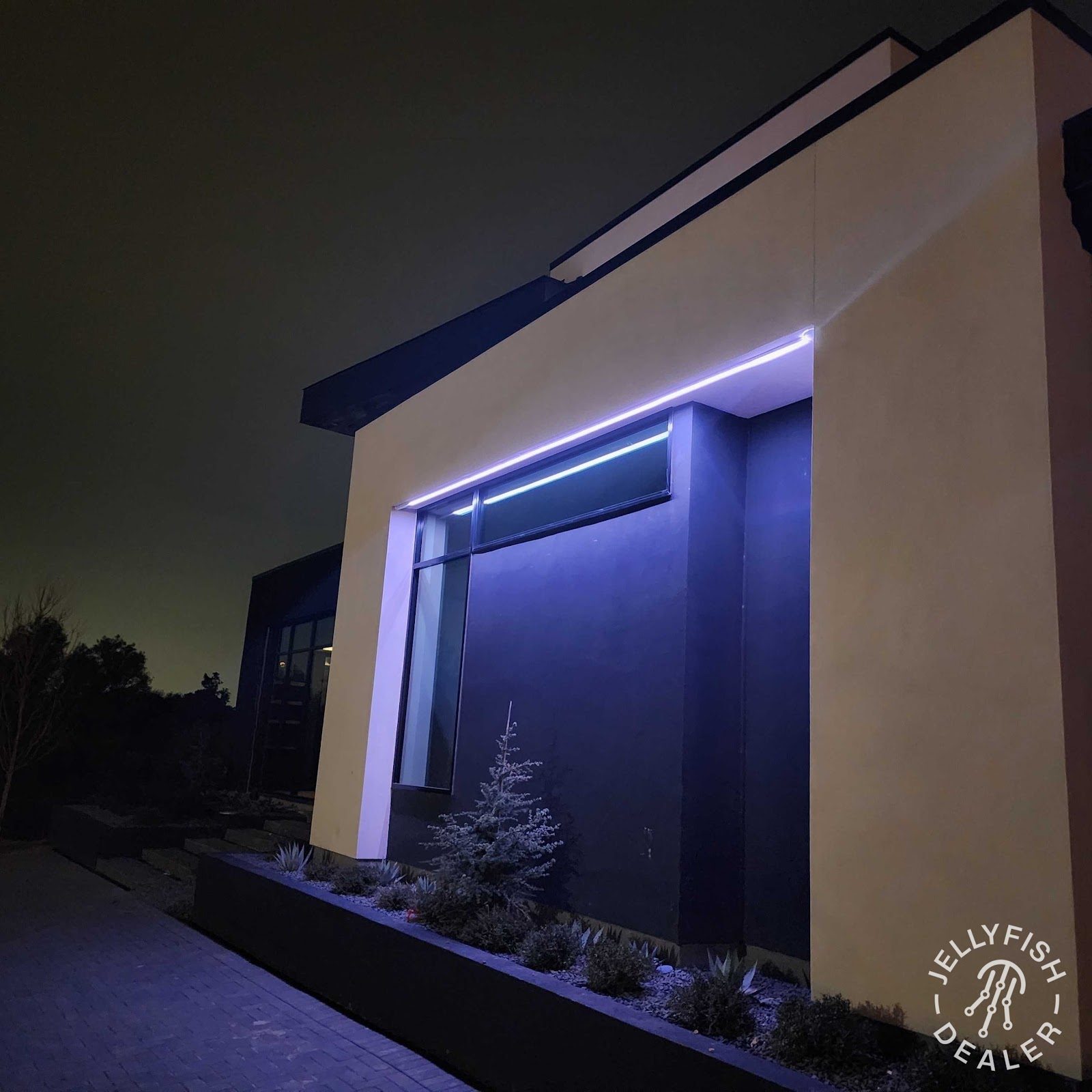
Saber Series linear lighting fits modern home facades with clean vertical and horizontal lines, contrasting with the softer look of traditional uplighting.
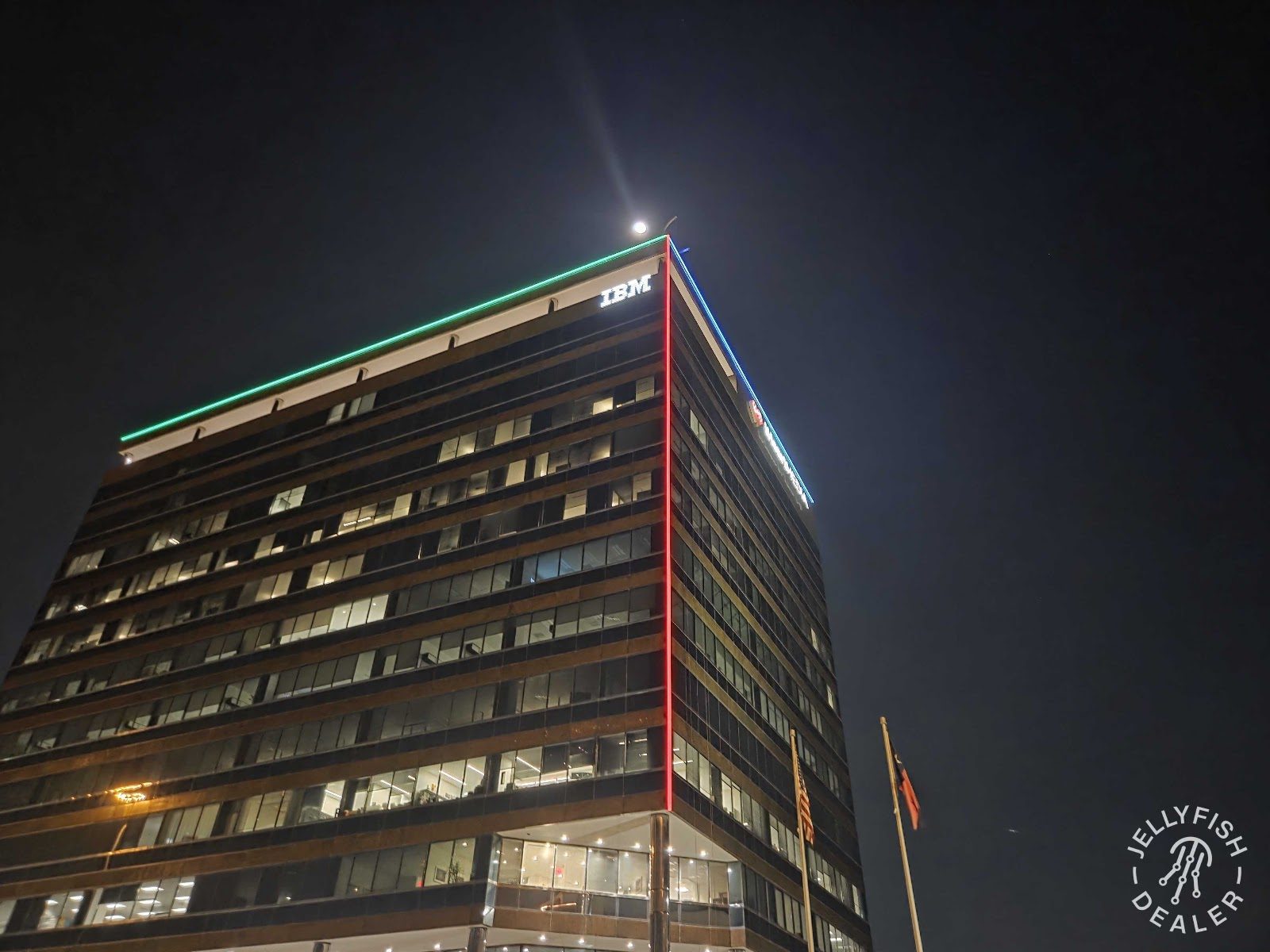
Saber Series linear lighting suits modern home facades because it is a thin, continuous light bar rather than a point-source fixture, which matches the flat planes and sharp lines common in contemporary architecture. Traditional landscape uplights create pools of light from the ground, while a linear fixture traces a straight edge directly.
Homeowners with modern or contemporary builds, flat rooflines, large glass sections, board-form concrete, or clean stucco planes, often find that standard uplighting looks slightly out of place against that architecture, which is where Saber Series fixtures fit differently.
This post covers where linear lighting works best on modern facades and how it differs from more traditional landscape lighting approaches.
Why point-source uplighting can clash with modern architecture
Traditional landscape uplighting throws a cone or wash of light upward from a ground-mounted fixture, which works well against traditional facades with columns, brick texture, and varied depth. That same approach can look mismatched against a flat stucco or concrete plane, since the light pools in one spot rather than following the clean geometry of the wall.
Modern architecture tends to rely on line and plane rather than ornamentation, so lighting that emphasizes a single glowing dot on an otherwise flat surface can look accidental rather than intentional.
Linear fixtures solve this by tracing the line itself instead of illuminating a patch of wall near it.
How Saber Series fixtures trace architectural lines
Saber Series fixtures run as a continuous light bar that can be mounted along vertical columns, horizontal bands between floors, or the edge of a flat roofline. The light reads as a defined line rather than a soft glow, which matches the sharp geometry that defines a lot of modern design.
This works particularly well on facades with a strong horizontal or vertical datum line, a band of contrasting material, a cantilevered section, or a change in cladding, since the fixture can be mounted to emphasize exactly that transition.
Because the fixture itself is thin and low-profile, it tends to disappear during the day, leaving the architectural line visible without a fixture crowding a clean facade.
Vertical versus horizontal applications
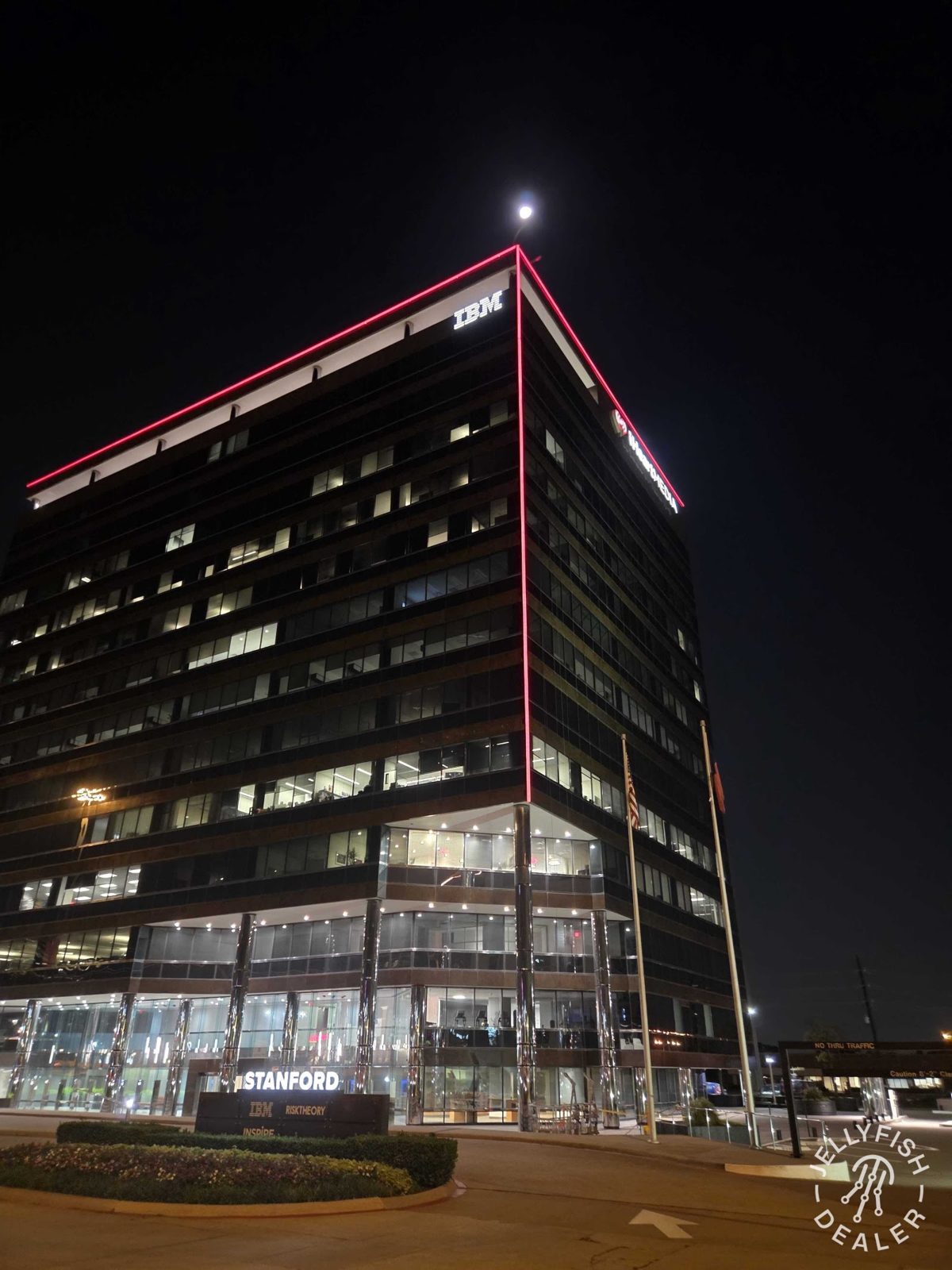
Vertical Saber runs work well on columns, corner details, or narrow architectural features where you want to draw the eye up or down the line of the building. This can also make a two-story modern home read taller and more defined after dark.
Horizontal runs suit bands between materials, the underside of a cantilever, or a roofline edge where a flat plane meets open air. Horizontal lighting tends to widen the visual footprint of a home and emphasize its lowest and most grounded lines.
Some facades benefit from both, a vertical accent at a corner paired with a horizontal band elsewhere, though we would plan that combination carefully during a design walk rather than defaulting to using every available line.
- Vertical: columns, corners, narrow architectural accents
- Horizontal: material transitions, cantilever undersides, roofline edges
- Combined vertical and horizontal for facades with multiple strong lines
- Avoid lighting every line on the house, since that reduces contrast and impact
Pairing Saber Series with other lighting types
Saber Series is generally not meant to replace all other outdoor lighting on a modern home. Roofline lighting like Jellyfish still handles the color-changing and holiday-scene functions, and landscape uplights still handle trees and plantings.
Saber works as an architectural accent layer on top of those systems, tracing the lines that make a modern facade distinctive while the rest of the lighting plan handles broader coverage.
During a design conversation, we typically identify which one or two lines on your facade are strongest and worth tracing, rather than trying to fit Saber onto every edge of the building.
What to think about before requesting a quote
Look at your facade in daylight and identify the strongest lines: where materials change, where the roofline breaks, where a column or corner stands out. Those are the candidates for a Saber accent.
Consider how the home is viewed most often, from the street, from a neighbor's yard, from the driveway, since that vantage point should guide which lines get emphasis.
Bring photos of your facade to a free quote conversation so we can talk through specific placement rather than general options.
Frequently asked questions
Is Saber Series only for modern or contemporary homes?
It works best on facades with strong, clean lines, which are more common in modern design, but it can also accent columns or bands on more traditional homes if the architecture supports it.
Does Saber Series replace roofline or landscape lighting?
No. It generally works as an architectural accent layer alongside roofline lighting and landscape uplighting rather than replacing either.
Can Saber Series be used both vertically and horizontally on the same house?
Yes, homes with multiple strong architectural lines sometimes use both, though this should be planned carefully so the accents do not compete with each other.
How do I know which lines on my house are worth lighting?
Look at your facade in daylight for material changes, roofline breaks, or standout columns and corners. A design walk-through can help confirm which lines will read best after dark.
The bottom line
- Saber Series traces architectural lines rather than creating pools of light like point-source uplighting.
- It suits modern facades with flat planes, glass, and sharp geometric lines.
- Vertical and horizontal runs serve different purposes and can sometimes be combined.
- Saber works best as an accent layer alongside roofline and landscape lighting.
- Identify your facade's strongest lines before deciding where to place fixtures.
Have a modern facade you want to highlight
We can walk your home's exterior and identify the lines that make sense for Saber Series accent lighting.
Explore Saber Series