
Recurring Maintenance vs. Seasonal Cleanups: What Your Yard Actually Needs
Recurring maintenance handles ongoing upkeep like trimming and mulch refresh, while seasonal cleanups tackle spring and fall resets. Most yards benefit from both, not just one.
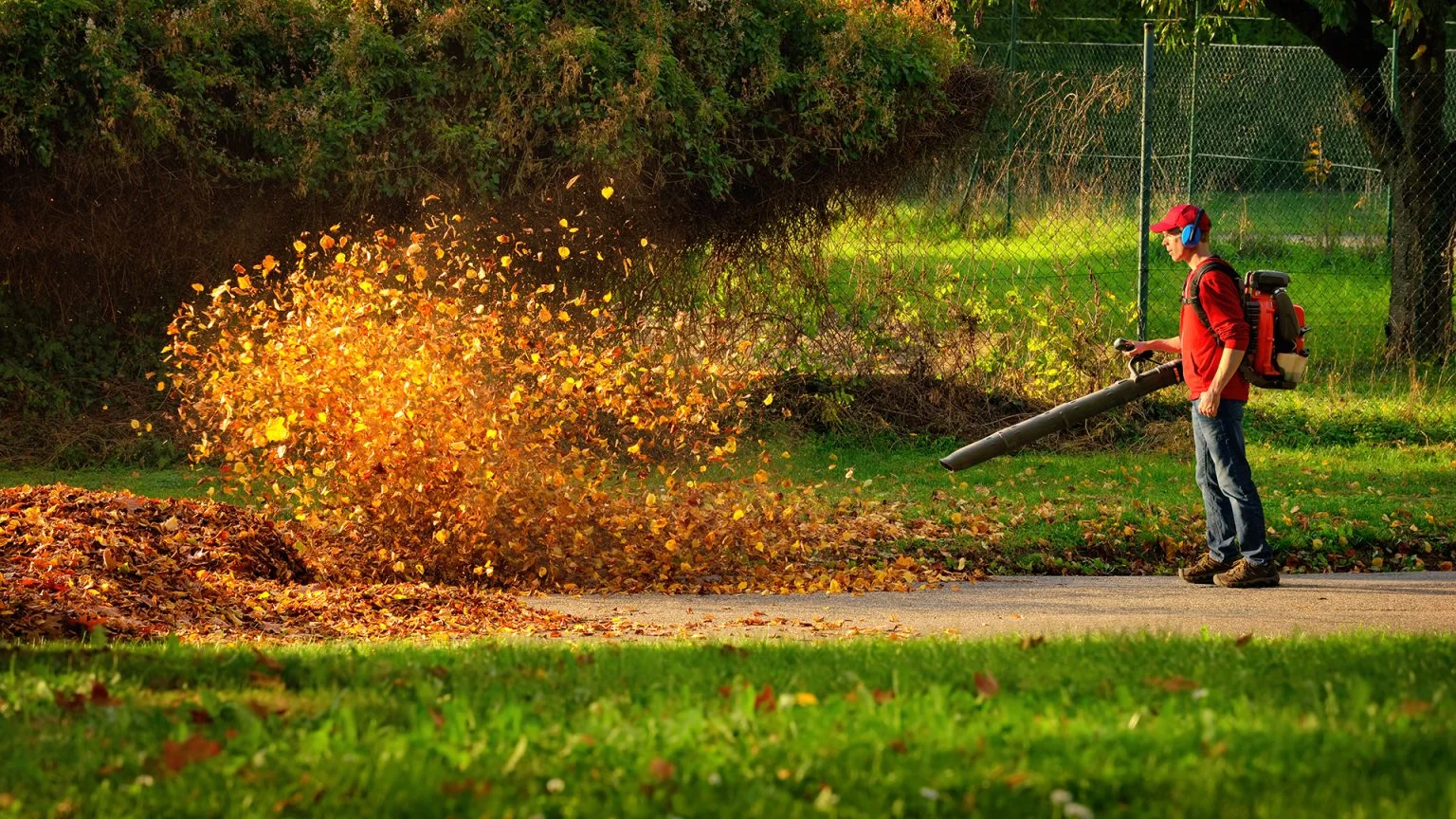
Recurring maintenance and seasonal cleanups solve different problems, which is why most yards actually need both rather than choosing one over the other. Recurring maintenance is the ongoing work, trimming, bed upkeep, mulch touch-ups, that keeps a yard from getting away from you between bigger resets. Seasonal cleanups are the spring and fall pushes that reset the whole property.
A lot of homeowners default to one or the other, either scheduling only a big spring and fall cleanup, or only recurring visits without ever doing a deeper seasonal reset. Both approaches leave gaps.
Here's how the two actually complement each other.
What does recurring maintenance actually cover?
Recurring maintenance is the routine work that keeps a landscape looking intentional between the bigger resets: trimming shrubs to shape, pulling weeds before they seed, edging beds, and touching up mulch where it's thinned or washed out.
This work is scheduled on a regular cadence through the growing season, often every few weeks depending on how fast things grow on your property and how much bed area you have. It's the kind of work that, if skipped, doesn't cause a crisis right away but compounds quickly.
What does a seasonal cleanup actually cover?
A seasonal cleanup is a bigger, less frequent push, typically once in spring and once in fall, that resets the whole property. In spring, that usually means clearing winter debris, cutting back perennials, refreshing mulch, and prepping beds for the growing season ahead.
In fall, it means clearing fallen leaves before they smother lawn and groundcover, cutting back dying perennials, and doing a final tidy before winter. These are heavier, more time-intensive visits than a typical recurring stop.
- Spring cleanup: winter debris removal, perennial cutback, mulch refresh, bed prep
- Fall cleanup: leaf removal, perennial cutback, final bed tidy before winter
- Both: heavier labor than a typical recurring visit
- Both: timed to the season's specific needs, not just a routine schedule
What happens if you only do seasonal cleanups?
Beds and shrubs get overgrown between the spring and fall visits, since nothing is addressing growth in between. Weeds get a full season to establish and seed, which then means more work at the next cleanup, not less.
This approach often looks fine right after each cleanup but declines steadily through summer, which is when most people are actually spending time in the yard.
What happens if you only do recurring maintenance without seasonal cleanups?
Recurring visits are good at maintaining a steady state, but they don't always address the bigger resets a property needs at the start and end of the growing season. Leaf buildup in fall, winter debris in spring, and deeper bed prep tend to fall outside a standard recurring scope.
Without a seasonal reset, you can end up with a yard that looks tidy week to week but never actually gets the deeper attention it needs at the transitions between seasons.
How do you decide what your yard actually needs?
Smaller, simpler properties with fewer beds and less shrub density can sometimes get by with seasonal cleanups alone plus occasional spot maintenance. Larger properties, or ones with extensive bed area, mature shrubs, or a lot of mulch, generally benefit from recurring visits through the season plus the two seasonal resets.
It's also worth considering how much time you personally want to spend on upkeep between visits. If you're comfortable doing light touch-up work yourself between professional visits, you may need less frequent recurring service than someone who wants a fully hands-off yard.

How does this connect to other landscape work?
Regular trimming and a fresh layer of mulch do a lot of the visual heavy lifting in a well-kept yard, and both are typically part of a recurring plan rather than a once-a-year event. If you're also planning landscape design changes, it's worth timing bigger installs around your cleanup schedule so new plantings get established during a season when maintenance is already dialed in.
Frequently asked questions
How often should recurring maintenance visits happen?
It varies by property size and plant density, but many properties are visited every two to four weeks during the growing season. Faster-growing shrubs or high bed density may need more frequent attention.
Do I need both if my yard is small and simple?
Not necessarily. A smaller, lower-maintenance yard may do fine with just spring and fall cleanups and minimal in-between attention. It really depends on plant density and how much growth happens over a season.
What's included in a fall cleanup specifically?
Typically leaf removal, cutting back dying perennials, a final bed tidy, and sometimes a last mow, all aimed at heading into winter without buildup that could smother lawn or groundcover.
Can I combine seasonal cleanups with a mulch refresh?
Yes, spring cleanup is a common time to refresh mulch since beds are already being cleared and tidied, making it an efficient time to add new material.
The bottom line
- Recurring maintenance and seasonal cleanups solve different, complementary problems
- Skipping recurring visits lets growth and weeds get ahead of you between cleanups
- Skipping seasonal cleanups leaves deeper seasonal work undone even with tidy recurring visits
- Property size and plant density should drive how much of each you need
- Timing bigger landscape installs around your maintenance schedule helps new plantings establish
Not sure whether your yard needs recurring visits, seasonal cleanups, or both?
We'll look at your property's size and plant density and put together a maintenance plan that actually matches what it needs.
Explore cleanup services