Permanent Lighting Curb Appeal Results
See how permanent lighting curb appeal results come from layered design, correct fixture placement, and installation built for your home.
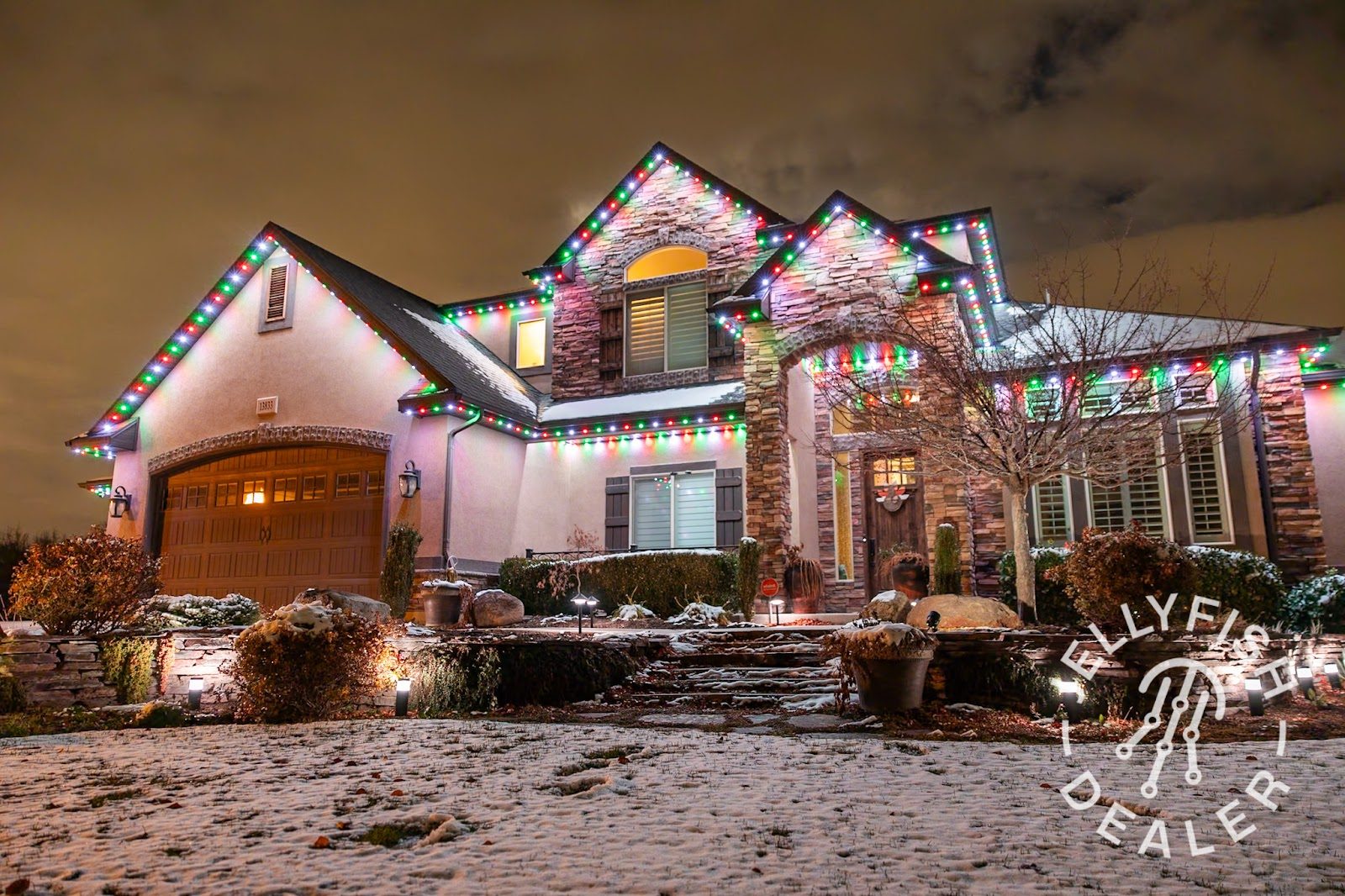
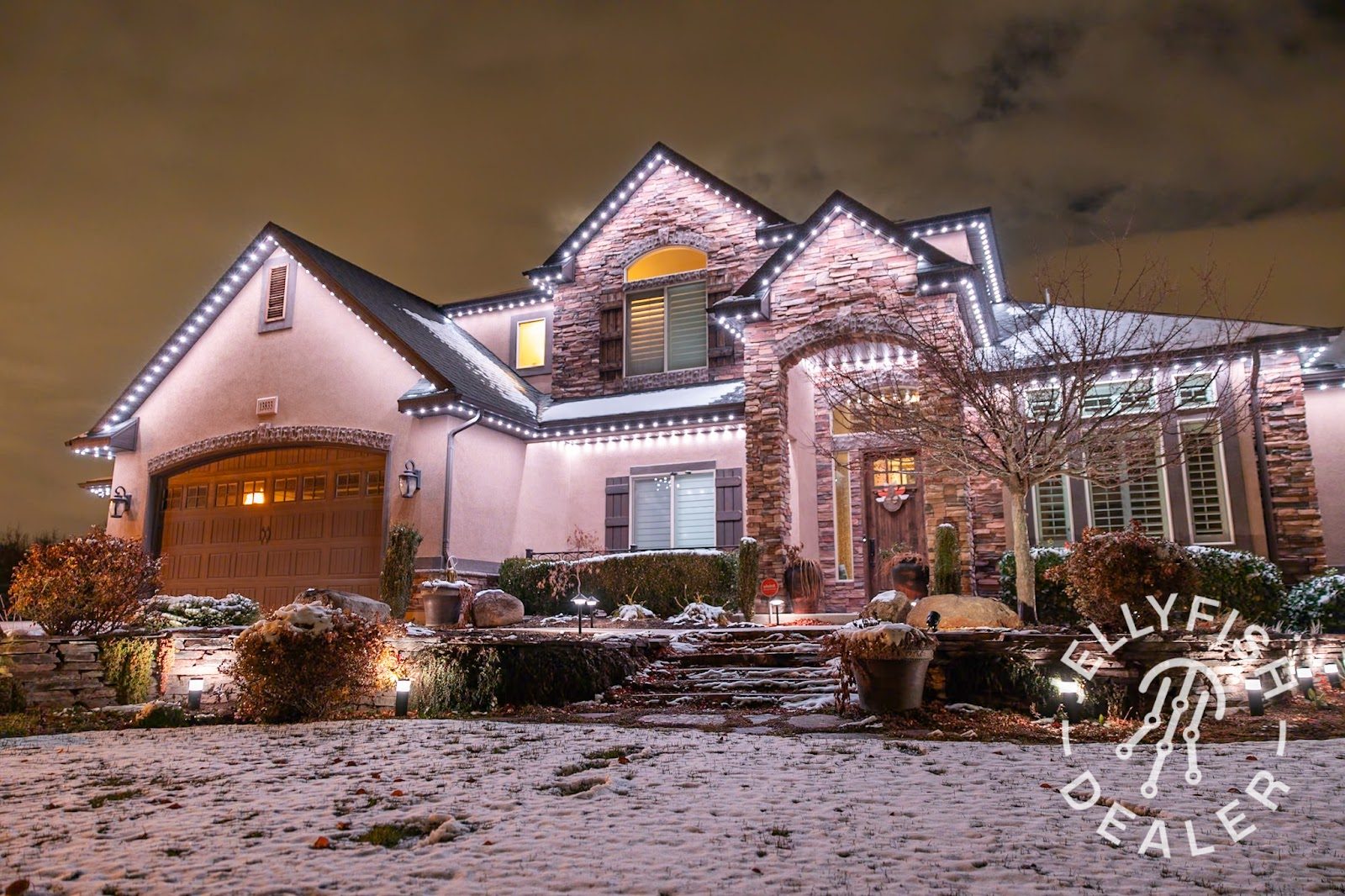
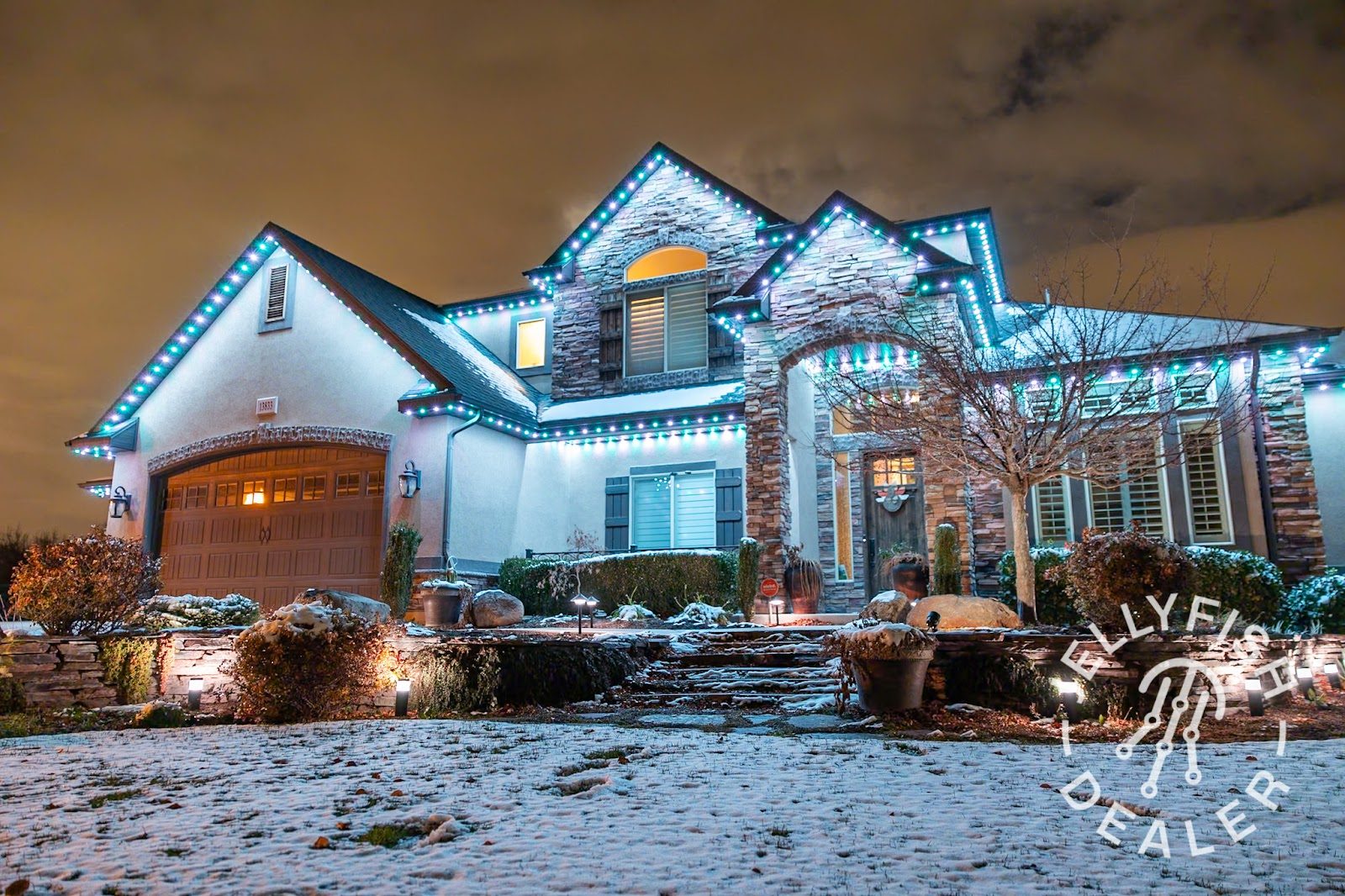
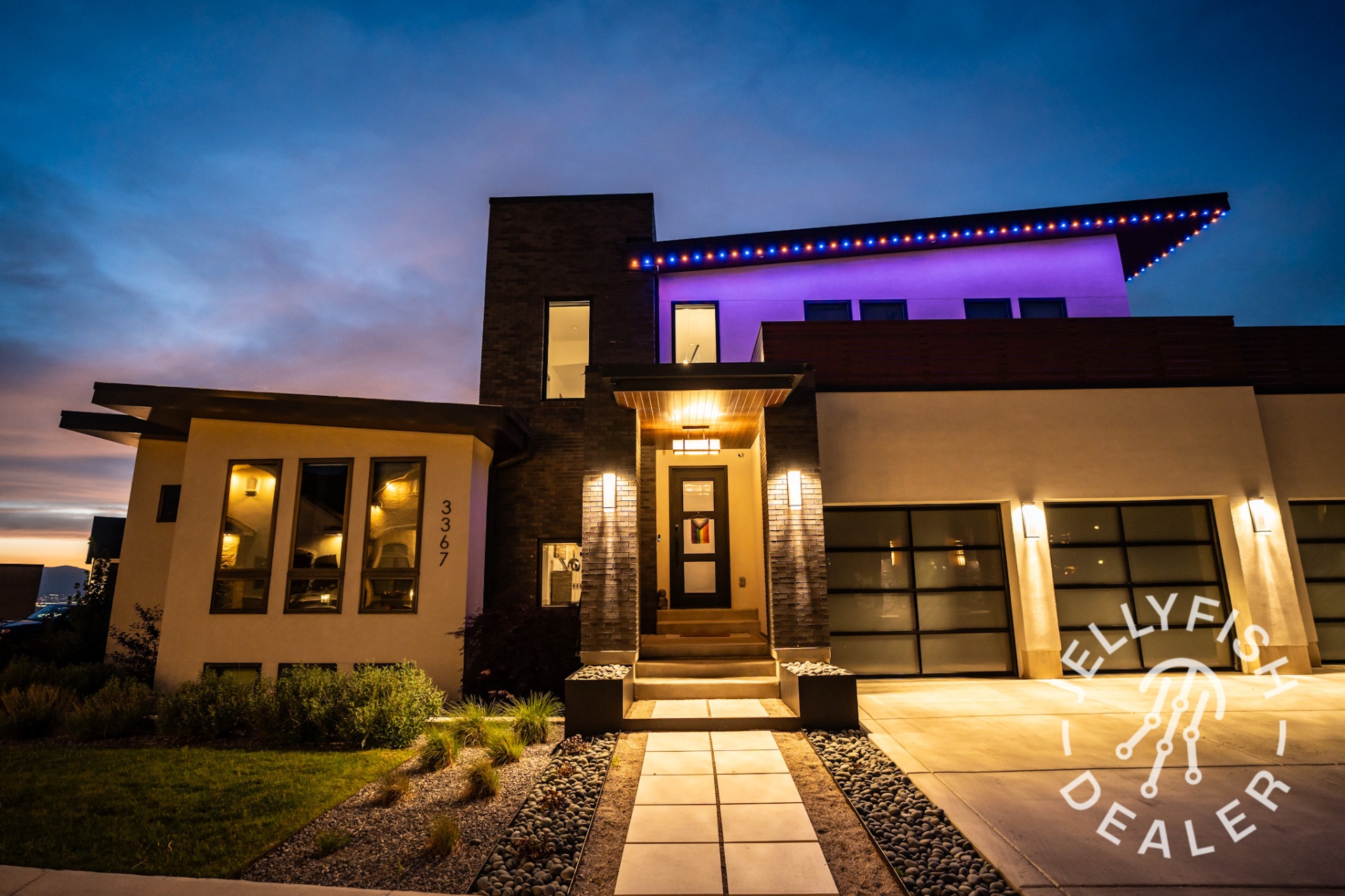
Permanent lighting improves curb appeal by layering light across a property, roofline, landscape beds, and pathways, instead of relying on a single porch fixture. The result is a home that reads as finished and intentional after dark, not just visible.
We see the biggest curb appeal jumps on homes that combine a roofline system with ground-level landscape lighting, since the two layers work together rather than leaving gaps.
Here's what actually drives that improvement and how to plan for it on your own property.
Why layered lighting outperforms a single fixture
A single porch light or a lone floodlight creates one bright spot and leaves the rest of the home in shadow, which actually draws attention to what isn't lit. Layering roofline light, tree uplighting, and path lighting fills in that shadow and creates a more balanced, complete look.
This is the same principle interior designers use with layered room lighting, applied to the exterior of a home.
Light the plants and the path, not just the lawn
The most common landscape lighting mistake is aiming every fixture at the house itself. A better approach uplights two or three specimen trees, grazes textured stone or brick, and washes the walkway with low, wide fixtures so guests can actually see where they're walking.
That kind of layering is where a lot of the curb appeal result actually comes from, since it adds depth and shadow instead of flat, even brightness across the whole yard.
- Uplight two or three specimen trees rather than every tree on the property
- Graze textured stone, brick, or siding to bring out material depth
- Wash walkways with low, wide fixtures for safe, even footing
- Avoid pointing every fixture directly at the front door
Why color temperature changes how a home reads
Warm white light, in the range most residential fixtures use, reads as inviting and upscale, while cooler blue-white light can feel clinical or commercial on a residential facade. Most homeowners we work with settle on warm white as their everyday setting and reserve color for specific occasions.
This is one of the simplest adjustments that changes how a whole property feels at night, independent of fixture placement.
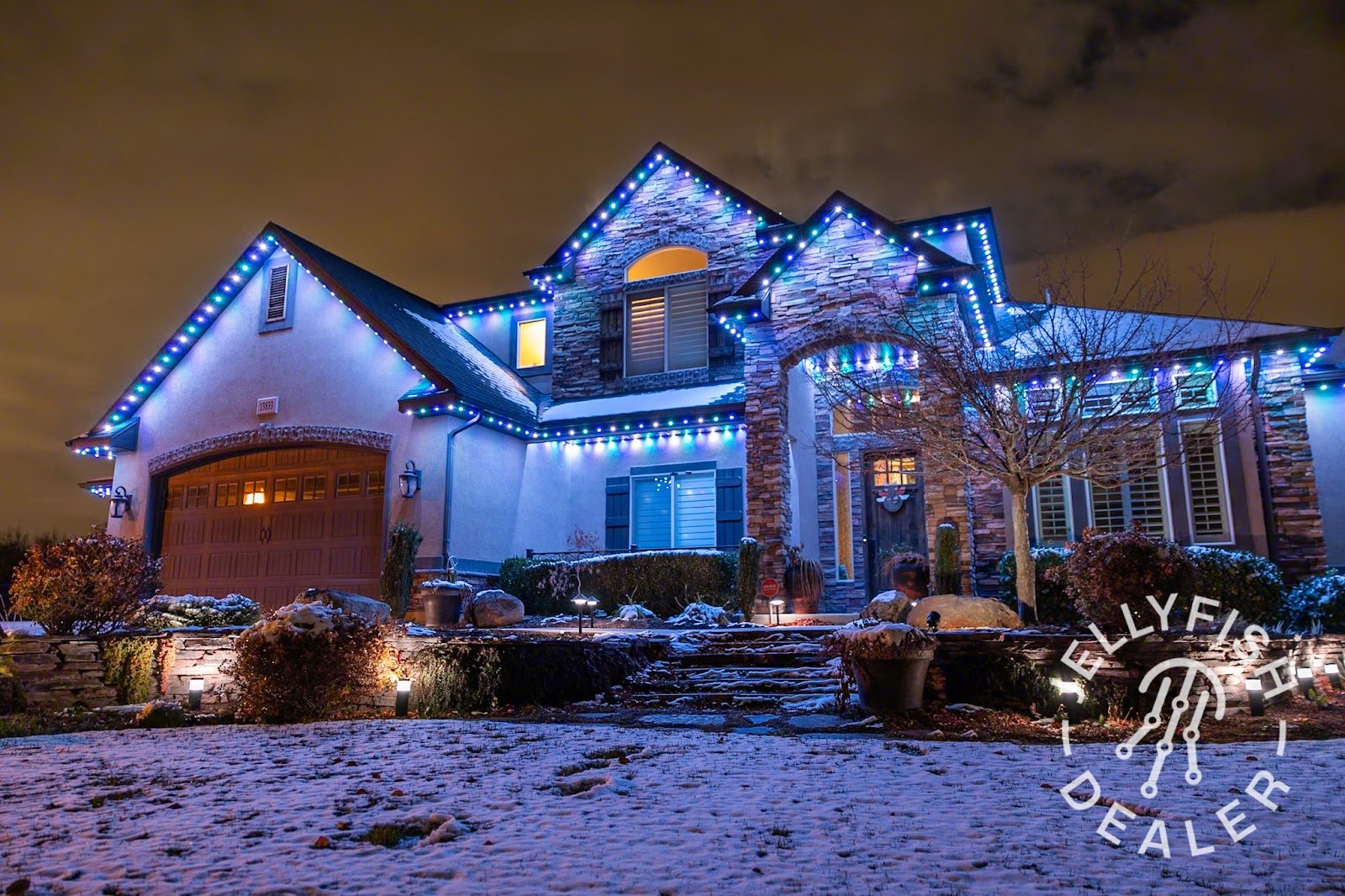
Placement matters more than fixture count
Adding more fixtures without a plan often creates uneven hot spots rather than a cohesive look. A smaller number of well-placed fixtures, angled and aimed correctly, usually outperforms a larger number scattered without a design in mind.
This is why a site walk and design conversation before installation matters as much as the hardware itself. Placement decisions made on paper rarely survive contact with the actual property.
What separates a temporary boost from a lasting result
Holiday lighting gives a temporary curb appeal bump for a few weeks. A permanent, layered system delivers that improvement every night of the year, which is a meaningful difference if the home is regularly shown, listed, or simply enjoyed by the people who live there.
Systems like Jellyfish lighting also let a homeowner dial the look up for a specific occasion without adding new hardware, keeping the everyday look and the special-occasion look on the same system.
Planning a layered lighting project for your home
Start with the roofline as the anchor layer, add landscape uplighting on key trees or facade features, and finish with path or step lighting for safety and continuity. Homes with existing hardscape, retaining walls, or water features benefit from including those in the plan too, since they're often strong candidates for accent lighting.
A free quote and design walk will identify which elements of your property make the strongest lighting opportunities before any fixtures go in the ground.
Frequently asked questions
How many fixtures does a typical curb appeal lighting design need?
It depends on lot size and the number of features worth highlighting, but a well-placed handful of fixtures often outperforms a larger number placed without a plan. A design walk determines the right count for your property.
What color temperature should I choose for landscape lighting?
Most homeowners prefer warm white for an inviting, residential look, reserving full color for specific occasions on systems that support it. Cooler light tends to look better suited to commercial settings than a home facade.
Does permanent lighting really outperform holiday lighting for curb appeal?
Permanent lighting delivers a curb appeal improvement every night of the year rather than just during a holiday season, which is the main practical difference. Both have a place depending on what you're looking for.
Can I add landscape lighting to an existing roofline system?
Yes, landscape and roofline lighting can run as separate zones on the same property, and many homeowners add landscape lighting as a follow-up project after seeing their roofline system in place.
The bottom line
- Layered lighting across roofline, trees, and paths creates a stronger result than any single fixture.
- Uplighting select trees and grazing textured surfaces adds depth that flat lighting can't.
- Warm white color temperature generally reads better on residential facades than cool white.
- Correct fixture placement outperforms simply adding more fixtures.
- Permanent systems deliver the curb appeal result every night, not just for a holiday season.
Get a layered lighting design for your property
We'll walk your home and identify the features worth highlighting before recommending a single fixture.
Explore landscape lighting