Landscape Design for Front Yards That Works
Landscape design for front yards should boost curb appeal, function, and value. Learn what works, what to avoid, and how to plan it right.
Landscape design for front yards works best when it balances structure, seasonal interest, and the practical stuff like drainage and sightlines. A front yard that only looks good in June and struggles the rest of the year isn't a finished design, it's a planting list.
We plan and install landscape design projects across Northwest Ohio, and the yards that hold up well over time are planned with structure first, then filled in with seasonal plants, not the other way around.
Structure first, color second
Bed lines, evergreens, and any hardscape elements form the bones of the design. These stay consistent through winter when most seasonal color is gone, so getting them right matters more than picking the prettiest flowers.
A common mistake is designing around what's blooming at the garden center in May, which leaves the yard looking bare from October through April.
Plan for four seasons, not one
Northwest Ohio winters are long, so evergreens, ornamental grasses that hold their structure, and trees with interesting bark or berries carry the design when flowers aren't in the picture.
Layering bloom times across spring, summer, and fall also keeps the yard from having one big peak and a long lull the rest of the year.
Keep entry paths and sightlines intentional
The path to your front door should be clear, well-defined, and lit for safety once it's dark. Overgrown beds crowding a walkway or blocking a window undo a lot of design effort.
This is also a good point to plan landscape lighting alongside the design so path lights and any uplighting get placed with the finished bed layout in mind, not squeezed in afterward.
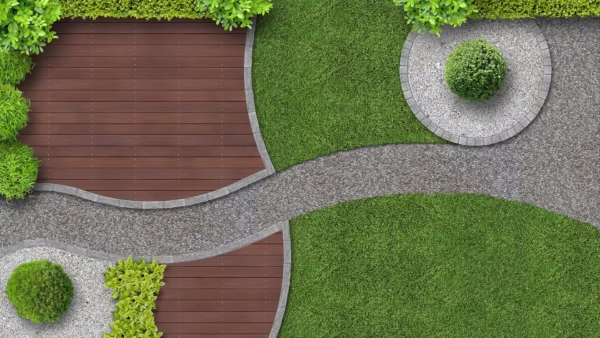
Match plants to actual growing conditions
Sun exposure, soil drainage, and local hardiness zone should drive plant selection more than what looks good in a photo. A plant that struggles in your specific yard ends up needing replacement within a couple seasons.
The Ohio State University Extension publishes reliable regional guidance on plant selection and care if you want a second opinion beyond what a nursery tag tells you.
Don't skip drainage and grading
A beautiful bed that holds standing water after every rain will struggle no matter what's planted in it. Grading and drainage should be checked before beds go in, not discovered after plants start dying.
This is also where mulch selection and depth matter, since improper mulching can trap moisture against stems and cause rot.
Common front yard design mistakes
Overplanting a small bed, ignoring mature plant size, and skipping a maintenance plan are the three mistakes that show up most often a few years after installation.
- Planting for one season instead of four
- Ignoring mature size and overcrowding beds
- Blocking windows or walkways with overgrown shrubs
- Skipping drainage checks before planting
- Designing without considering future lighting placement
Frequently asked questions
How do I make front yard landscaping look good year-round?
Layer evergreens and structural plants with seasonal bloomers so the yard has interest in every season, not just one peak month in spring or summer.
Should I plan landscape lighting at the same time as design?
Yes, planning landscape lighting alongside the design means fixtures get placed for the finished layout instead of retrofitted around existing plants later.
How much maintenance does a well-designed front yard need?
Less than an overplanted one. Choosing the right plant for the right spot and size reduces pruning and replacement over time compared to a bed that outgrows its space.
Can an existing front yard be redesigned without starting over?
Often yes. Many projects keep healthy existing trees or hardscape and rebuild the bed lines and plantings around them rather than clearing everything.
The bottom line
- Design structure first, then layer in seasonal color.
- Plan for four-season interest, especially through Ohio winters.
- Keep entry paths and sightlines clear and intentional.
- Match plants to your yard's real sun, soil, and drainage conditions.
- Plan lighting and irrigation alongside the design, not after.
Get a front yard design built to last
We plan landscape designs around Northwest Ohio conditions, from bed structure to year-round plant selection.
Explore landscape design