How to Plan Landscape Lighting Right
Learn how to plan landscape lighting with the right fixture placement, beam control, transformer sizing, and zoning for a system that lasts.
Planning landscape lighting right means deciding what to highlight before you decide what to buy. Focal points like specimen trees, entry features, and architectural details deserve light; lighting everything equally usually looks flat and costs more than it should.
We plan landscape lighting systems for homes across Perrysburg, Sylvania, and the greater Toledo area, and the systems that hold up years later almost always started with a walk of the property and a short list of what actually mattered.
Start with focal points, not full coverage
Specimen trees, entry doors, water features, and architectural details are worth lighting. Every shrub in a bed generally is not. Picking focal points first keeps the design intentional and keeps the fixture count reasonable.
This is also where a landscape design plan and a lighting plan should work together. Lighting decisions are much easier once the planting layout is settled.
Transformer sizing and zones
Size the transformer with headroom so you can add fixtures later without replacing the hub. Splitting the yard into zones lets you run the front on a schedule and keep the back on demand.
Zoning also means a malfunction in one area doesn't take down the whole system, which matters for a system meant to run every night for years.
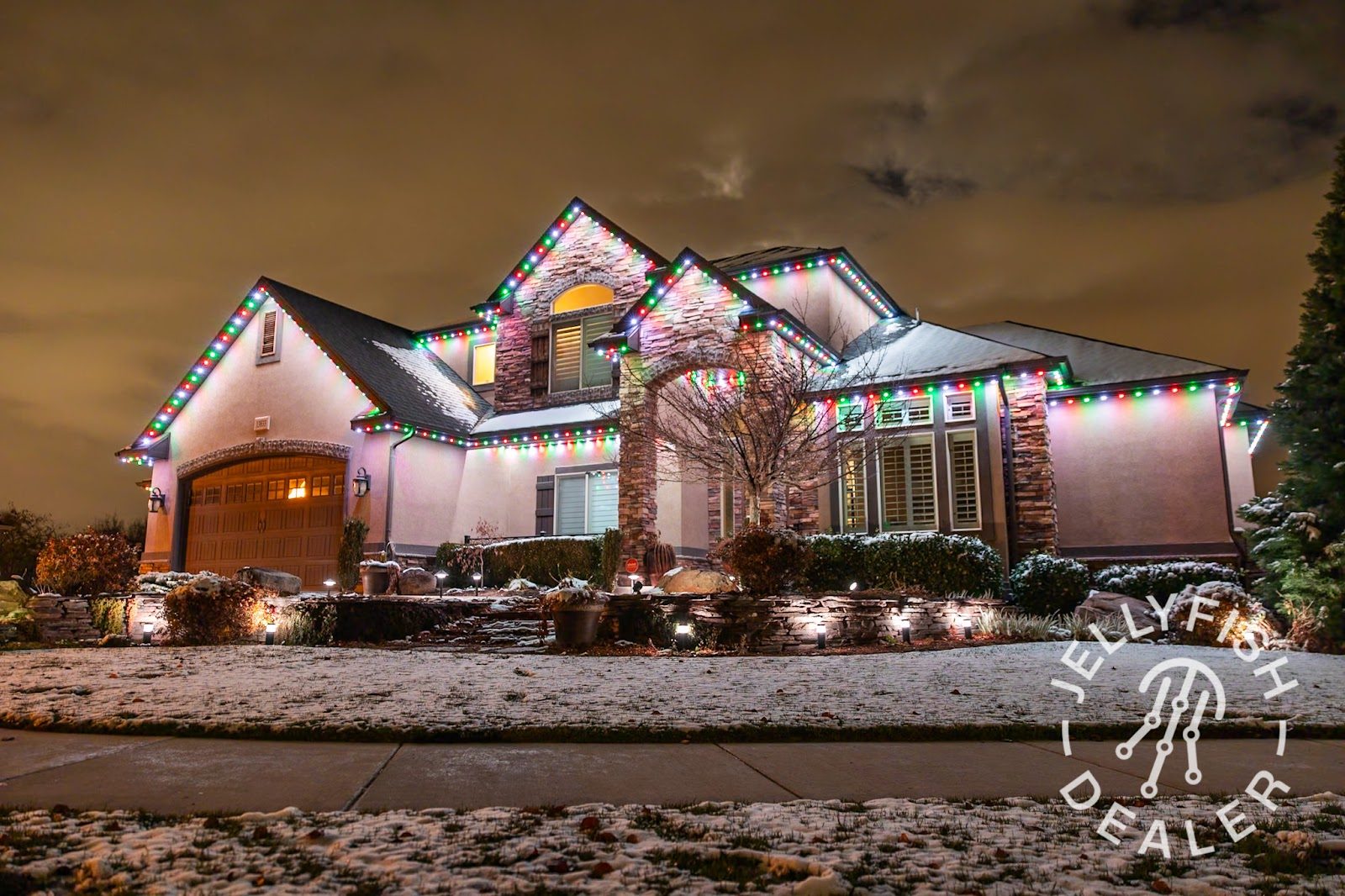
Beam angle controls glare more than brightness
A narrow beam aimed correctly at a tree canopy looks dramatic without spilling light into windows or a neighbor's yard. A wide beam aimed carelessly creates glare and hot spots.
This is one of the more common DIY mistakes: buying brighter fixtures to fix a problem that's actually about aim and beam spread, not output.
Color temperature and consistency
2700K to 3000K warm white fits most landscape settings and pairs well with brick, stone, and typical exterior paint colors. Mixing color temperatures across a property, even slightly, is noticeable and looks unplanned.
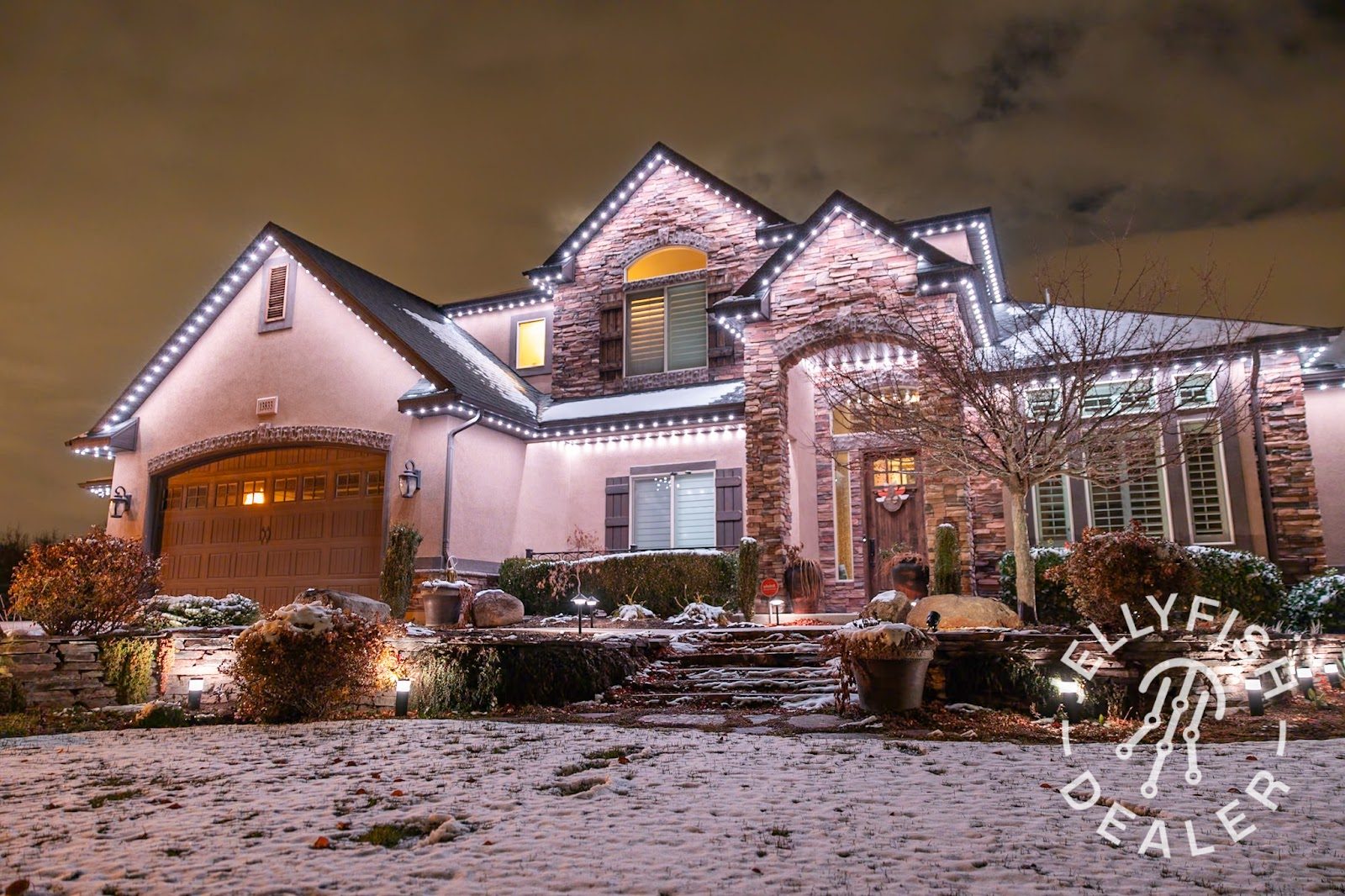
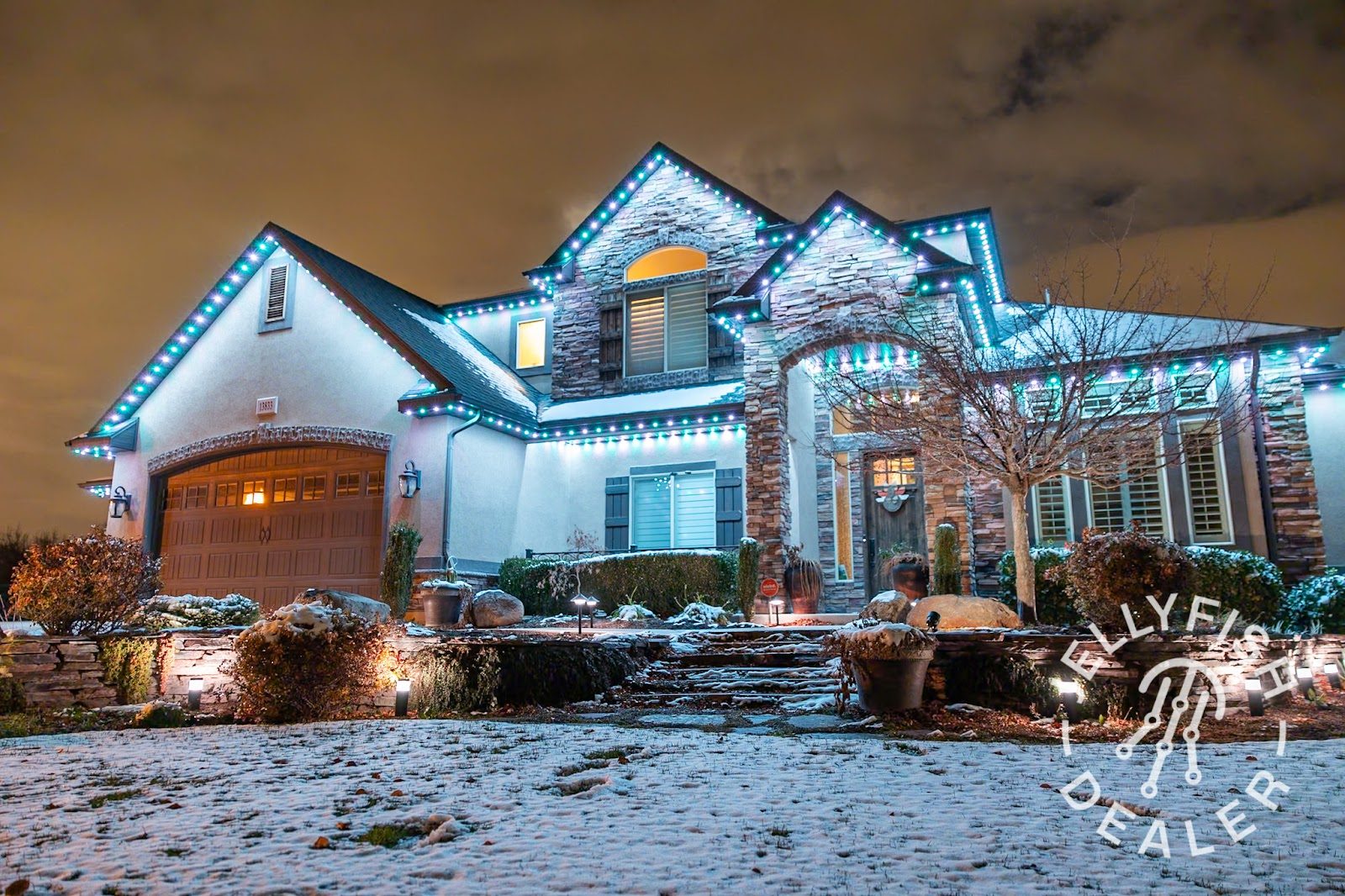
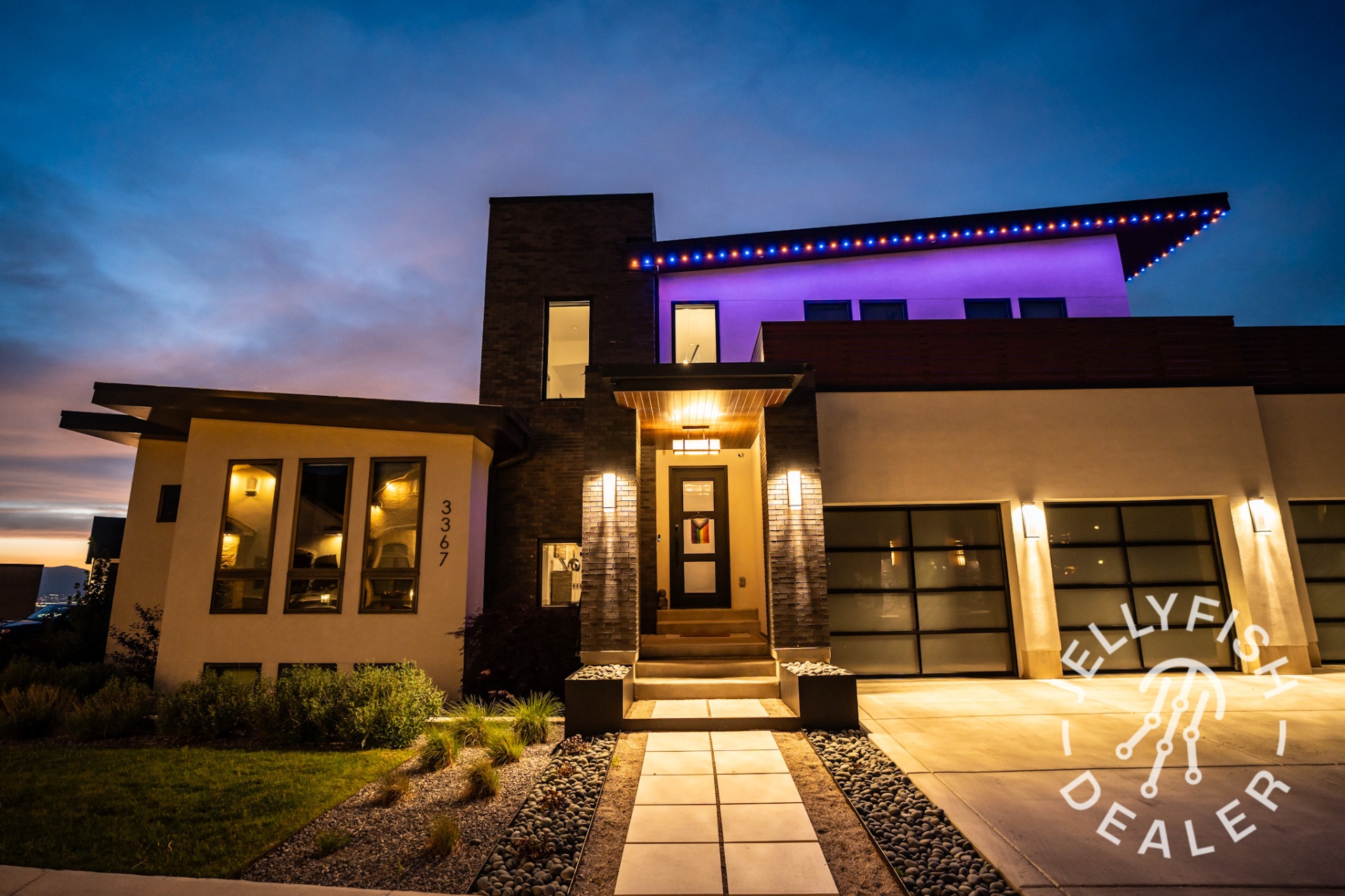
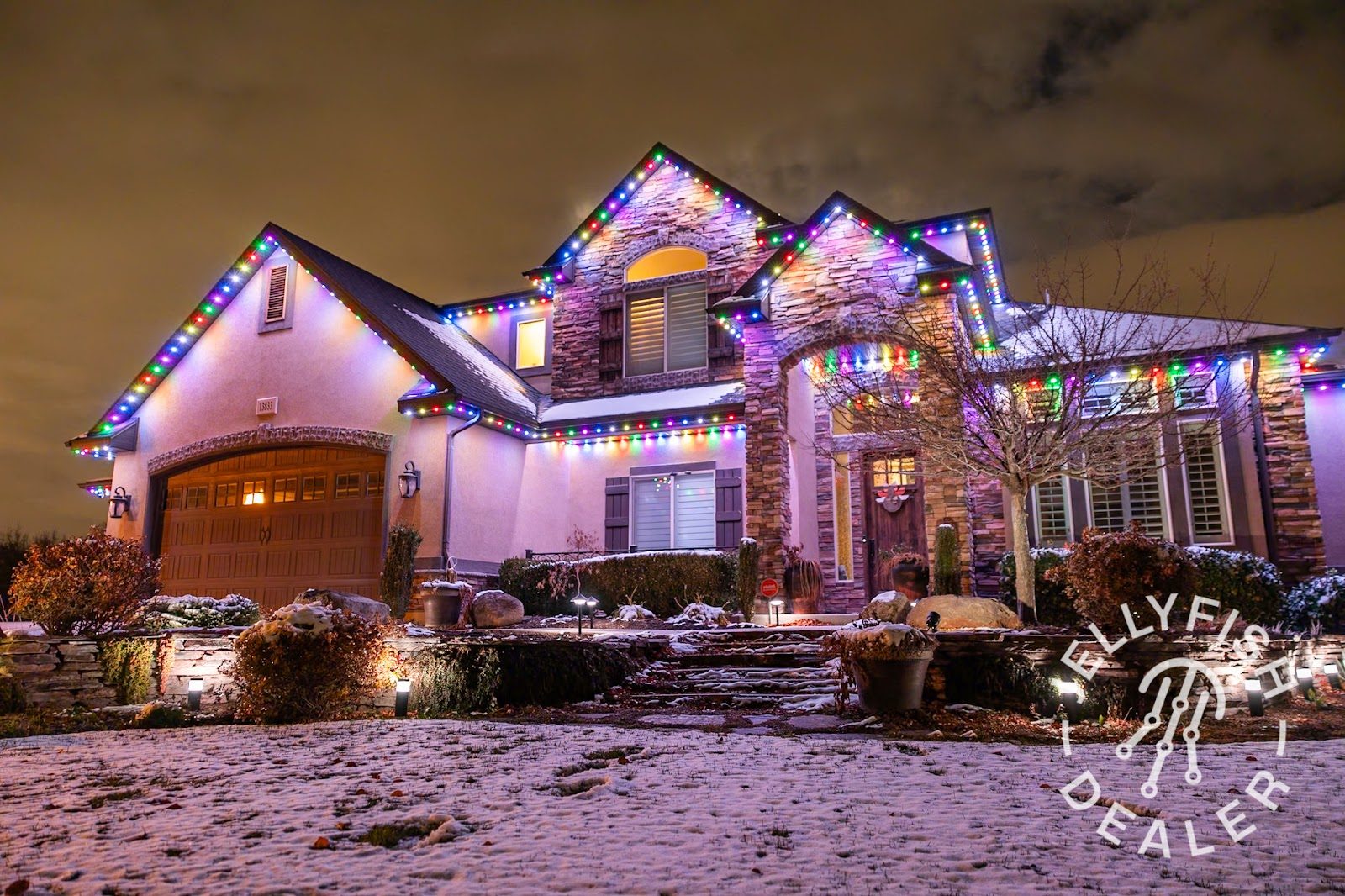
If you're pairing landscape lighting with a permanent roofline system like Jellyfish, matching color temperature between the two keeps the whole property looking cohesive at night.
Plan wire runs and spacing before installation day
Deciding fixture spacing and wire paths ahead of time avoids trenching twice or discovering a run is too long for the transformer's voltage drop tolerance partway through installation.
This planning step is also when we check for existing irrigation lines, utility lines, or drainage that could affect where fixtures and trenches can go.
Common landscape lighting mistakes
Undersizing the transformer, skipping zoning, and lighting too many things at once are the three mistakes we see most often when homeowners plan a system themselves.
- Lighting every plant instead of true focal points
- Undersized transformer with no headroom
- Mixed color temperatures across the property
- Fixtures aimed for brightness instead of beam control
- No zoning, so the whole system runs on one schedule
Frequently asked questions
How many landscape lights do I need?
It depends on your focal points, not your total plant count. A well-planned system usually lights fewer things more deliberately than homeowners expect going in.
What color temperature is best for landscape lighting?
2700K to 3000K warm white fits most homes and pairs well with brick, stone, and common exterior colors. Staying consistent across the property matters more than the exact number.
Can landscape lighting run on the same app as roofline lighting?
In many cases yes, especially if both systems use compatible smart controllers, so scheduling and scenes can be managed from one app.
Should I plan landscape lighting before or after landscaping?
After the planting layout is settled is best. If you're planning a landscape design refresh, it makes sense to plan lighting alongside it rather than lighting an old bed you're about to replace.
The bottom line
- Light focal points intentionally rather than the whole yard equally.
- Size the transformer with headroom and use zones.
- Beam angle and aim matter more than raw brightness.
- Keep color temperature consistent across the property.
- Plan wire runs and spacing before digging.
Plan a landscape lighting system that lasts
We'll walk your property, identify focal points, and design a zoned system built for Ohio conditions.
Explore landscape lighting