
Buried Landscape Lighting Design for Riverview and Romulus Yards
Riverview outdoor lighting projects often involve buried low-voltage wire for landscape fixtures. Here's how we plan wire runs for yards in this area.
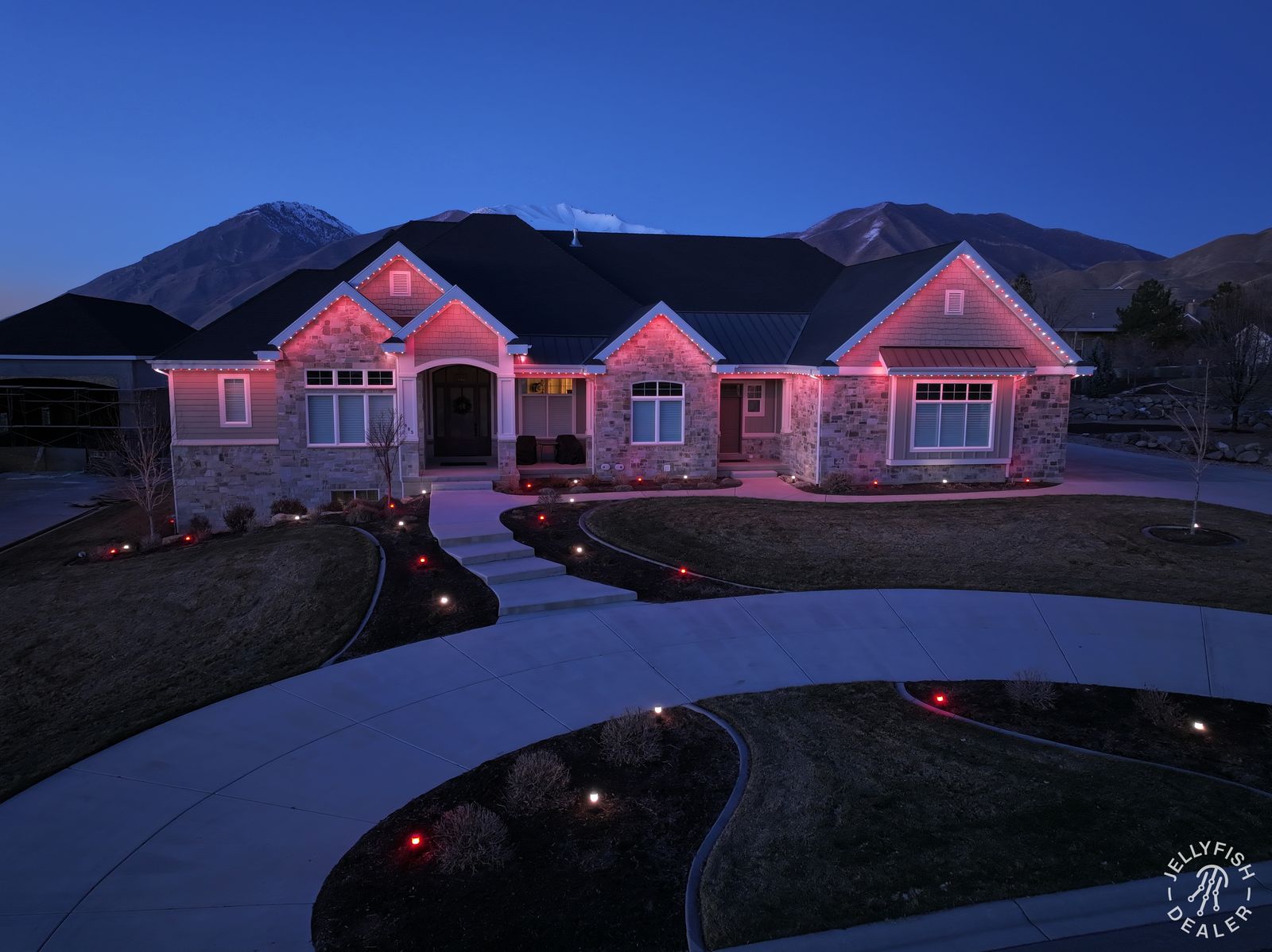
Riverview outdoor lighting projects that include landscape fixtures almost always involve buried low-voltage wire, and how that wire is routed matters more than most homeowners expect. A clean, well-planned wire run means fewer exposed cables, easier future maintenance, and a finished look that doesn't distract from the fixtures themselves.
We handle a good number of landscape lighting projects in Riverview and neighboring Romulus, where yard size and soil conditions shape how we plan these runs.
This post covers how we approach buried wire planning for landscape lighting in this area, and what homeowners should know before installation.
Why buried wire is standard for landscape lighting
Low-voltage landscape lighting fixtures connect back to a transformer through wire that's typically buried a few inches underground along bed edges, under mulch, or beside pathways. Burying the wire protects it from mowing, foot traffic, and weather exposure, and keeps the finished look clean without visible cable runs across the lawn.
This is standard practice across the industry, not something specific to our installs, and it applies whether you're lighting a small foundation bed or a larger yard with multiple lighting zones.
The planning part is where the real work happens, since the route needs to make sense with your yard's layout and avoid conflicts with irrigation or existing utility lines.
Planning wire runs before landscaping is finished
If you're doing new landscape design alongside lighting, planning wire routes before beds are finished and mulched makes the whole process easier. Wire can follow a direct path when nothing's in the ground yet, rather than working around established plants.
For yards with existing mature landscaping, we plan the route around what's already there, which is still workable but takes more care to avoid root systems and existing hardscaping.
Either way, the transformer location, usually near an outdoor outlet or garage, is the anchor point the whole layout gets planned around.
Soil and site conditions specific to this area
Riverview and Romulus sit close to the Detroit River and Huron River corridors, and some yards in this area have higher water tables or heavier clay soil than areas further inland. This can affect how deep wire is buried and what conduit or protection it needs in wetter sections of a yard.
We check for existing utility lines and call for locates before digging, standard practice for any buried wire project regardless of location, per Michigan's MISS DIG 811 system requirements for excavation.
For yards closer to the water, we also factor in any dock or water feature lighting into the same wire planning if that's part of the project.
Choosing fixture placement along the buried run
Once the wire route is planned, fixture placement follows: path lights along a walkway, well lights at the base of trees or shrubs for uplighting, and accent fixtures near entry points or architectural features. Each fixture taps into the buried run at the appropriate point.
We space fixtures based on the specific look you want, whether that's consistent even lighting along a path or more selective accent lighting on a few focal points.
This is also a good time to think about whether you want patio lights or additional accent fixtures near an outdoor living space, since those can tie into the same low-voltage system.
- Bury wire a few inches deep along bed edges and pathways
- Plan routes before mulch or hardscaping is finished when possible
- Call for utility locates before digging
- Anchor the layout around a transformer near an outdoor outlet
- Consider water table and soil conditions specific to river-adjacent yards
Documenting wire location for future maintenance
Once installation is finished, we keep track of the general wire layout, which helps if a fixture ever needs to be moved, a wire needs tracing for a repair, or you want to add fixtures later. This saves guesswork years down the line compared to yards where wire location was never documented.
If you're adding fixtures to an existing system we didn't originally install, we can usually trace the existing run during a site visit rather than needing a full re-dig.
Getting started on a landscape lighting project
If you're planning new landscaping or want to add lighting to an existing yard in Riverview or Romulus, the process starts with a site visit where we look at your yard's layout, soil, and any existing utilities before planning the wire route. Reach out through contact to schedule one.
Frequently asked questions
How deep is landscape lighting wire buried?
Typically a few inches below the surface, along bed edges or under mulch, deep enough to avoid damage from mowing or foot traffic but not requiring the deep trenching that high-voltage lines need.
Will digging for wire damage my existing lawn or plants?
We plan routes to minimize disruption, especially around established plants. Some minor disturbance is normal with any buried wire project, but it typically settles and recovers quickly.
Do you check for utility lines before digging?
Yes, we call for utility locates before any digging, standard practice for buried wire installation regardless of the project size.
Can I add fixtures to an existing system later?
Usually yes. If we have documentation of the original wire layout, adding fixtures is straightforward. If it's a system we didn't originally install, we can trace the existing run during a site visit.
The bottom line
- Low-voltage landscape lighting wire is buried a few inches deep along beds and pathways for protection and a clean look.
- Planning wire routes before landscaping is finished makes for a more direct, less disruptive install.
- Soil conditions and water table near the river should factor into wire depth and protection.
- Utility locates should always happen before digging for buried wire.
- Documenting wire location helps with future repairs or system additions.
Planning landscape lighting for your Riverview or Romulus yard
We'll assess your yard's layout and soil before planning a wire route that holds up long-term.
Explore landscape lighting