A good lighting system should look like it belongs on your home, not like it was added as an afterthought. That is the real value of custom roofline lighting design. It gives you clean daytime appearance, strong nighttime curb appeal, and lighting that works for ordinary evenings just as well as holidays, game days, and special events.
For many homeowners, the problem is not whether permanent lighting is a smart upgrade. It is whether the finished result will actually fit the house. A large two-story brick home needs a different approach than a ranch with deep eaves. A gabled front elevation calls for different spacing and brightness than a commercial storefront. When the design is custom, the lighting follows the architecture instead of fighting it.
Why custom roofline lighting design matters
Roofline lighting is one of the first exterior features people notice after dark. If the layout is too bright, too sparse, or poorly aligned, it can make an otherwise beautiful home feel uneven. If it is designed correctly, it sharpens the lines of the property and adds a polished look without feeling flashy.
That is why custom roofline lighting design starts with the structure itself. The pitch of the roof, the depth of the soffits, the visibility from the street, and even the color of the siding all affect how the system should be planned. Bright white LEDs on a light-colored fascia can read very differently than the same fixture placement on dark trim or stone.
There is also a practical side. Permanent lighting is not just about holiday decorating anymore. Homeowners use it for subtle everyday accent lighting, welcoming guests, improving visibility around entry points, and adding a sense of activity when the home would otherwise go dark. Businesses use it to help a property stand out and look cared for after hours. Custom planning makes those uses possible without making the system feel overbuilt.
What a well-designed system should accomplish
The best roofline lighting does three things at once. First, it complements the architecture. Second, it gives you flexible control over color, brightness, and patterns. Third, it stays discreet during the day.
That last point matters more than many people expect. Permanent outdoor lighting should not leave your roofline looking cluttered in daylight. A quality installation places components carefully and matches the layout to the home so the visual focus stays on the architecture, not the hardware.
This is where product choice and installation quality matter. Systems like Jellyfish Lighting and Govee permanent outdoor lighting can both play a role, but the right fit depends on the property, the goals, and the level of finish the customer expects. Not every homeowner wants the same degree of customization, and not every roofline presents the same installation conditions.
The design decisions that change the final look
A lot of the finished appearance comes down to small decisions made early. Spacing is one of them. Tighter spacing creates a fuller effect, but it can also overwhelm a modest home if the brightness is not dialed in. Wider spacing can feel clean and elegant, though it may not deliver the same impact for holiday scenes or animated effects.
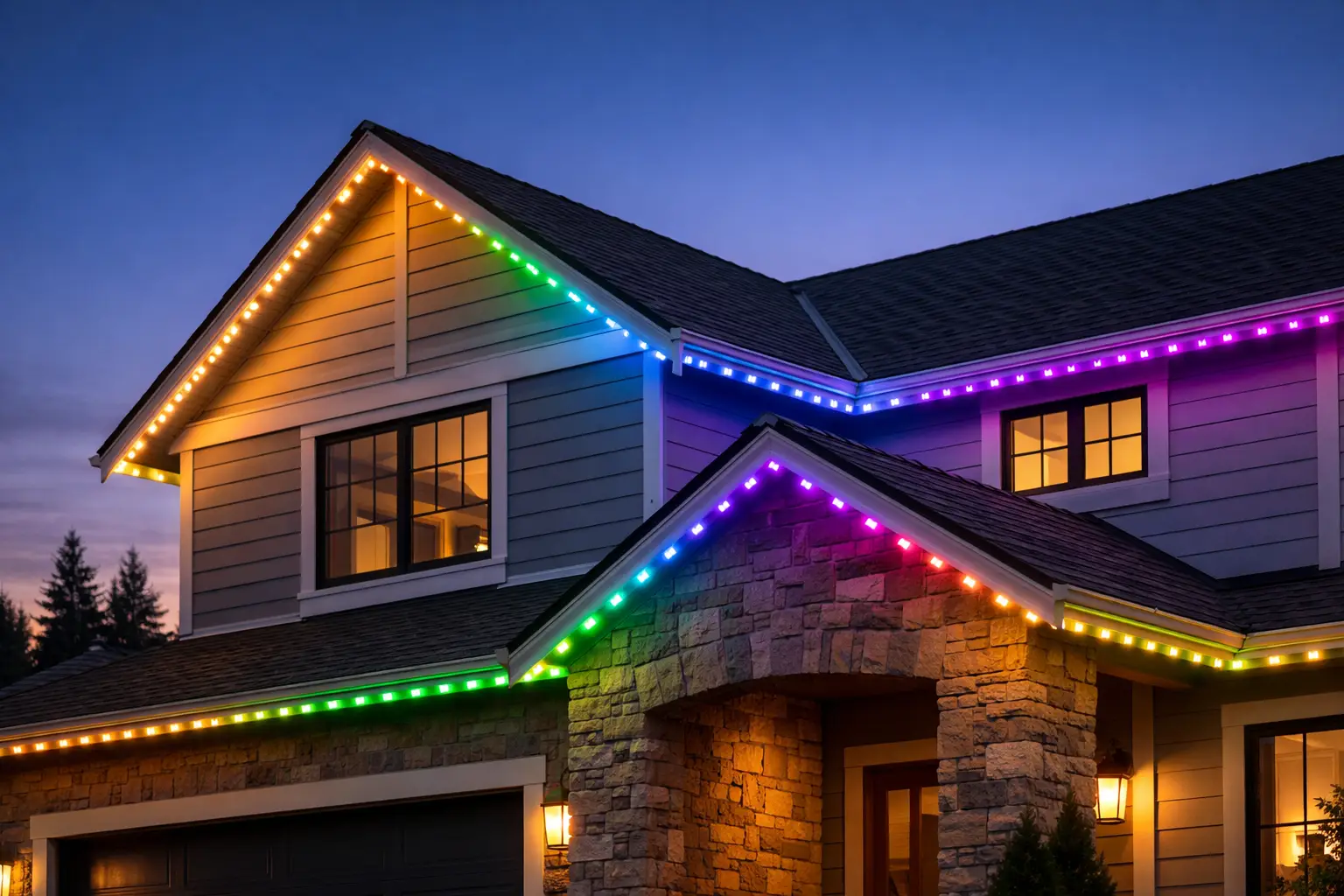
Color temperature is another factor. Warm white tends to feel more architectural and upscale for everyday use. Cooler white can look sharper and brighter, but on some homes it can feel harsh. Full-color systems give you the best flexibility, but most homeowners still want a dependable everyday setting that looks refined when there is no special event happening.
Placement matters just as much. Some homes look best with lights tracing the main front-facing roofline only. Others need coverage on garage peaks, porches, dormers, or rear entertaining areas to feel balanced. More is not always better. In many cases, selective placement creates a cleaner result than outlining every edge.
How rooflines affect the design
Simple rooflines are usually the easiest to make look crisp. A straightforward ranch or colonial can often get a strong result with a focused layout and restrained programming. More complex homes need more planning. Peaks, offsets, multiple elevations, and architectural transitions can either create a dramatic finished effect or make a poor installation look fragmented.
That is why measurements alone are not enough. You need to read the home visually. The front elevation should feel intentional from the street. Side returns, garage sections, and entry features should support the overall design rather than pull attention away from it.
Commercial properties have their own considerations. Visibility from traffic, signage, operating hours, and neighborhood context all influence how bold or subtle the system should be. A restaurant, office, or retail property may want seasonal flexibility and stronger presence, while still keeping the building professional on ordinary nights.
Permanent lighting is not just for holidays
Holiday lighting is still one of the biggest reasons people look into a roofline system, and that makes sense. Nobody misses climbing ladders in cold weather or dealing with tangled strings and burned-out bulbs. But once a permanent system is installed, most homeowners end up using it far beyond the winter season.
It can highlight a birthday gathering on the patio, show team colors for a big game, mark a graduation party, or add soft evening light to the front of the house year-round. That flexibility is one of the strongest arguments for investing in a custom design instead of a temporary setup. You are not paying for a few weeks of use. You are improving the property in a way that stays useful all year.
In neighborhoods across Northwest Ohio and Southeast Michigan, where homes often have prominent front elevations and visible rooflines, that year-round benefit can make a noticeable difference in curb appeal. It is a practical upgrade, but it also changes how the property feels when you pull into the driveway at night.
Why professional installation makes a difference
A custom lighting plan only works if the installation is clean. Poor attachment points, inconsistent spacing, visible wiring, and rushed corners can ruin the effect fast. Even a high-end system can look cheap if it is not installed with care.
Professional installation helps on both the technical side and the design side. Certified installers understand how to work with different rooflines, mounting conditions, and control systems. They can also catch issues that homeowners may not see at first, like how a gutter line affects visibility, how certain peaks need visual balance, or where brightness should be reduced to avoid hot spots.
There is also the question of safety and longevity. Exterior systems have to hold up through heat, rain, wind, and winter conditions. That is not the place to guess. Working with a licensed and insured company gives homeowners more confidence that the system will be installed correctly and supported after the job is done.
What to expect from the design process
A solid consultation should feel specific to your property, not like a preset package with your measurements dropped in. The conversation should cover how you want the home to look on a normal evening, how often you expect to use color-changing scenes, which rooflines matter most from the street, and whether you want the lighting to coordinate with landscaping, patio areas, or other exterior features.
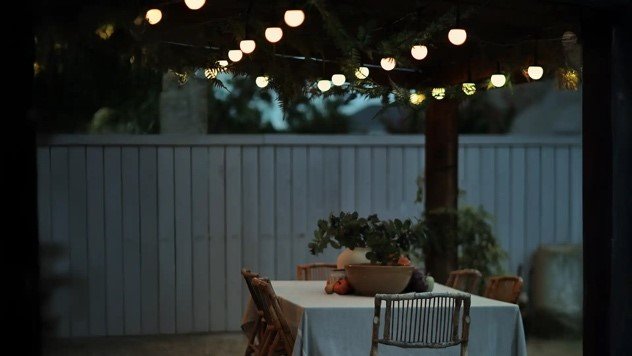
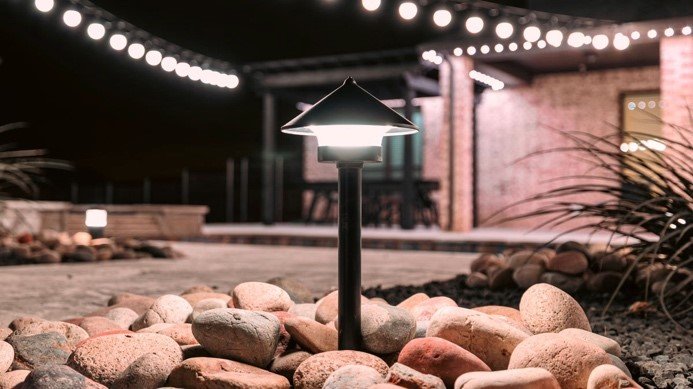
That broader view matters because roofline lighting rarely exists on its own. A home with sharp permanent lighting on the eaves may benefit from landscape lighting that softens the lower half of the property. An outdoor entertaining space may need the roofline system to work alongside patio lighting rather than compete with it. The best exterior results come from thinking about the whole property as one visual composition.
At Hamilton Home Accents, that custom approach is a major part of the difference. Homeowners are not looking for a one-size-fits-all install. They want a finished result that feels built for their home, their style, and the way they actually use the space.
Is custom roofline lighting worth it?
For the right property, yes, but the answer depends on expectations. If the goal is the cheapest possible way to hang color on the house for a few weeks each year, permanent lighting may not be the best fit. If the goal is long-term curb appeal, convenience, and a more polished exterior presence, custom roofline lighting design is a much stronger investment.
It also depends on how much the finished look matters to you. Homeowners who care about clean lines, discreet installation, and flexible control usually see the value quickly. The same is true for property owners who are tired of seasonal setup and want an exterior upgrade that delivers more than one month of use.
The best results come from treating lighting as part of the home’s design, not just a decoration. When the layout, product, and installation are handled well, the house looks better at night, feels more finished year-round, and gives you one less seasonal chore to think about.
If you are considering a lighting upgrade, start by looking at your home the way your neighbors and guests see it after sunset. The right design does not need to shout. It just needs to fit so well that it looks like it was always meant to be there.