A home can be clean, well-built, and in a great neighborhood – and still feel forgettable from the street. Usually, the problem is not one big flaw. It is a handful of small things working against each other: faded mulch, patchy lighting, overgrown edges, a front entry that disappears after sunset. If you are wondering how to improve curb appeal, the fastest gains usually come from creating a more finished, intentional look rather than chasing a full exterior overhaul.
That matters for more than resale value. Good curb appeal changes how your home feels every time you pull into the driveway. It also adds a sense of care, safety, and pride that neighbors and visitors notice right away.
How to improve curb appeal without starting over
The biggest misconception is that curb appeal has to mean a major renovation. In most cases, the better approach is to look at your exterior the way a first-time visitor would. What stands out first? What feels neglected? What disappears at night?
A polished exterior usually comes from three things working together: clean lines, balanced landscaping, and lighting that gives the property shape after dark. If one of those is missing, the whole front elevation can feel flat.
For many homeowners, cleanup delivers the quickest visual return. Fresh edging, trimmed shrubs, weed-free beds, and a crisp mow instantly make the property look maintained. Even strong architectural features can get lost when the lawn edge is soft and planting beds look tired. Maintenance is not the glamorous part, but it is often the part that makes every other upgrade look more expensive.
After that, focus on where the eye naturally lands. The front door, garage, walkway, porch, and main landscaping beds should feel connected. If each area looks like it belongs to a different house, curb appeal drops. Consistency in color, materials, and scale does more for appearance than adding random decorative pieces.
Start with the front entry
The front entry sets the tone. If it is dark, cluttered, or visually weak, the whole exterior feels less inviting.
Paint can help, but color alone is rarely the full answer. The better question is whether the entry reads clearly from the street. House numbers should be easy to spot. The door should feel framed, either by lighting, planters, clean trim, or simple landscaping. If the porch light is dim or outdated, the entrance can look smaller and less cared for than it really is.
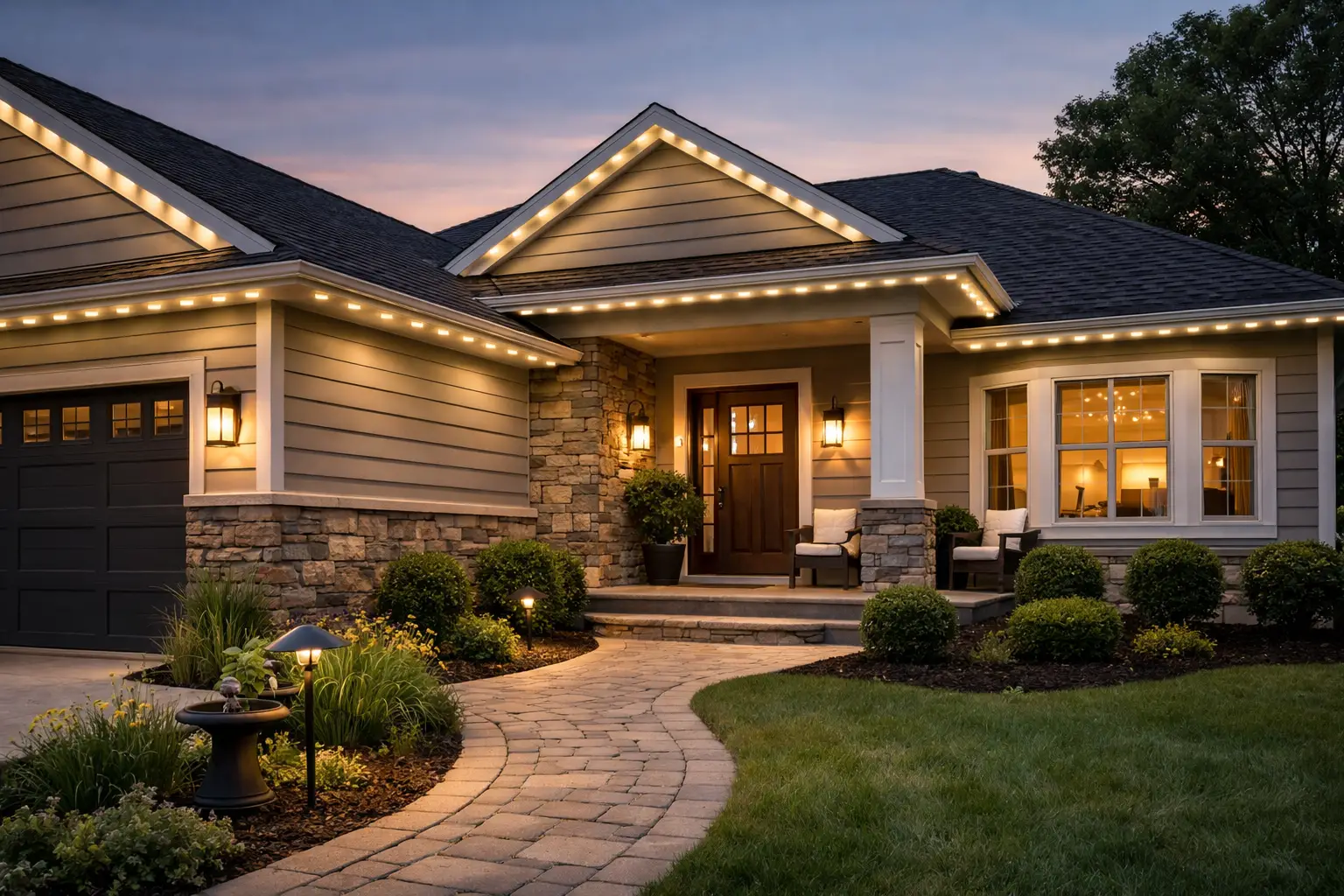
This is also where lighting pulls more weight than people expect. A good lighting plan does not just brighten the front door. It creates depth and directs attention. Warm, professional lighting around an entry can make a home feel more welcoming while also improving security and visibility.
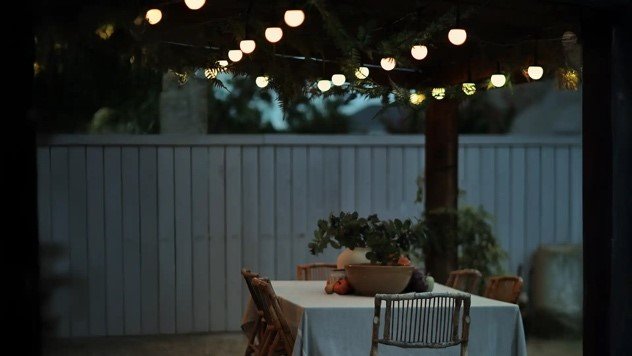
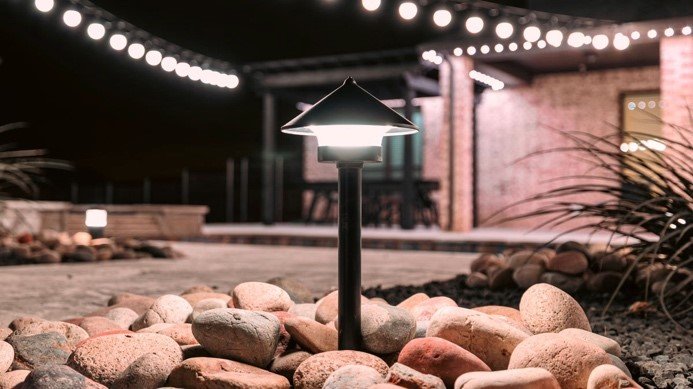
Permanent outdoor lighting is especially useful for homeowners who want curb appeal every night, not just during the holidays or special events. Roofline lighting, landscape lighting, and patio lighting can be designed to highlight architectural lines without making the home look overlit. That balance matters. Too little light leaves the house flat. Too much can feel harsh and distract from the design.
Landscaping should frame the home, not fight it
One of the most reliable ways to improve curb appeal is to make the landscaping look intentional. That does not always mean adding more plants. Often, it means simplifying what is already there.
Foundation beds should support the house, not swallow it. Shrubs that cover windows, lean into walkways, or block sightlines make the property feel crowded. Pulling those back can dramatically improve the look of the front exterior before you plant a single new thing.
Mulch is another detail that has a bigger impact than its price tag suggests. Fresh mulch gives beds definition, makes plantings look healthier, and creates color contrast against the lawn and foundation. In many yards, refreshed mulch and clean bed lines do more for curb appeal than adding another decorative feature.
If your landscape feels uneven, think in layers. Lower plantings near walkways, medium-height material around the foundation, and one or two focal elements near the entry usually read better than a mix of disconnected sizes. Decorative ponds, retaining walls, and water features can be beautiful additions, but only when they fit the scale and style of the property. On the wrong house or in the wrong spot, they can feel forced.
The role of outdoor lighting in curb appeal
Homeowners often focus on daytime appearance and forget that curb appeal continues after sunset. That is a missed opportunity, especially in neighborhoods where people are arriving home in the evening for much of the year.
Lighting adds something landscaping and paint cannot: visibility, dimension, and nighttime character. It can define rooflines, draw attention to mature trees, soften dark corners, and make a front walk feel safer. A professionally designed system should make the home look better, not just brighter.
Permanent outdoor lighting has become one of the smartest curb appeal upgrades because it delivers both beauty and flexibility. A well-installed system can provide understated everyday lighting, holiday displays, game-day colors, and event-ready accents without the yearly hassle of temporary clips, ladders, and tangled strands. For busy homeowners, that convenience is part of the value.
There is also a durability factor. Professionally installed systems such as Jellyfish Lighting and Govee permanent outdoor lighting are built for long-term use and custom fit to the home. That usually produces a cleaner look than pieced-together DIY lighting, especially on more visible front elevations. The trade-off is cost. Professional installation is a bigger investment upfront, but it often pays off in cleaner design, fewer headaches, and better long-term performance.
Maintenance is what protects the look you pay for
A lot of curb appeal projects start strong and then fade because no one has a plan to maintain them. If you want a property to look sharp in May and still look sharp in October, upkeep needs to be part of the strategy.
That means regular mowing, trimming, weeding, seasonal cleanup, and attention to the details that make the exterior feel finished. Leaves in the beds, overgrown edges, and neglected shrubs can make even high-end improvements look tired. The same goes for lighting. Burned-out bulbs, poor placement, or uneven brightness can drag down the effect quickly.
This is where working with one provider for both enhancement and maintenance can make life easier. When the same team understands your lighting layout, landscape design, and upkeep needs, the result tends to feel more cohesive over time. That local, hands-on approach is a big reason many homeowners choose family-owned exterior specialists instead of piecing together separate contractors.
What gives the best return?
If you are trying to prioritize, start with the items people notice from the street in the first five seconds. In most cases, that is the lawn condition, bed definition, front entry, and lighting.
A new mailbox or decorative planter can help, but small accessories should come after the bigger visual issues are solved. If the beds are weedy and the front walk is dark, extra decor will not fix the problem.
For homes in Northwest Ohio and Southeast Michigan, seasonality should also shape your decisions. Choose improvements that still look strong when summer flowers are gone and daylight is shorter. That is one reason permanent lighting, tidy plant structure, fresh edging, and durable landscape features tend to offer better year-round value than upgrades that peak for one season and disappear.
When to DIY and when to call a pro
Some curb appeal projects are great weekend work. Basic cleanup, fresh mulch, pressure washing, and replacing tired planters can make a visible difference without much complexity.
But if the project involves electrical work, custom lighting design, drainage concerns, retaining walls, or larger landscape reworking, professional help is usually the smarter move. Poor installation can create safety issues, shorten product life, and leave the property looking less polished than before. Good curb appeal should feel effortless when you see it, but getting that finished look often takes planning and experienced execution.
At Hamilton Home Accents, that is where the difference shows. Certified installation, custom design, and full exterior service matter because homeowners do not just want more features – they want the house to look better as a whole.
If you want to know how to improve curb appeal, start by looking for the gaps between what your home could be and what it currently shows from the street. The right changes do not need to be flashy. They need to be clean, well-designed, and built to keep looking good after the first impression is over.