A permanent outdoor lighting system can make a home look sharper at night, feel more secure, and take the yearly hassle out of seasonal decorating. But the real difference often comes down to who installs it. The benefits of certified light installers show up long after the lights first turn on – in safety, appearance, reliability, and how well the system holds up through Midwest weather.
For homeowners, that matters. A lighting project is not just about adding color along the roofline or highlighting a patio. It is an exterior upgrade that affects the way your home looks, functions, and lasts. When the installer is certified, licensed, and insured, you are not just paying for labor. You are paying for a higher standard of workmanship and a better result.
Why the benefits of certified light installers matter
Outdoor lighting is one of those services that looks simple from the street and gets technical fast once the work begins. Behind the finished look are placement decisions, mounting methods, electrical connections, programming, weather exposure, and long-term service considerations. A certified installer has been trained on the products and installation methods they are using, which reduces guesswork.
That matters even more with permanent systems like Jellyfish Lighting or other architectural lighting products. These systems are designed to blend into the home during the day and perform consistently at night. If they are installed poorly, the problems are hard to ignore. You may see uneven lines, visible components, loose tracks, color inconsistency, or sections that fail earlier than they should.
Certification does not mean every installer is identical, and it does not replace the value of experience. But it is a strong sign that the company takes training seriously and follows manufacturer-backed standards instead of trying to piece together a solution on the fly.
Safer installation from the start
One of the biggest advantages of working with certified light installers is safety. Outdoor lighting deals with wiring, power sources, rooflines, ladders, fastening systems, and exposure to rain, wind, and temperature changes. A rushed or careless install can create problems that go beyond appearance.
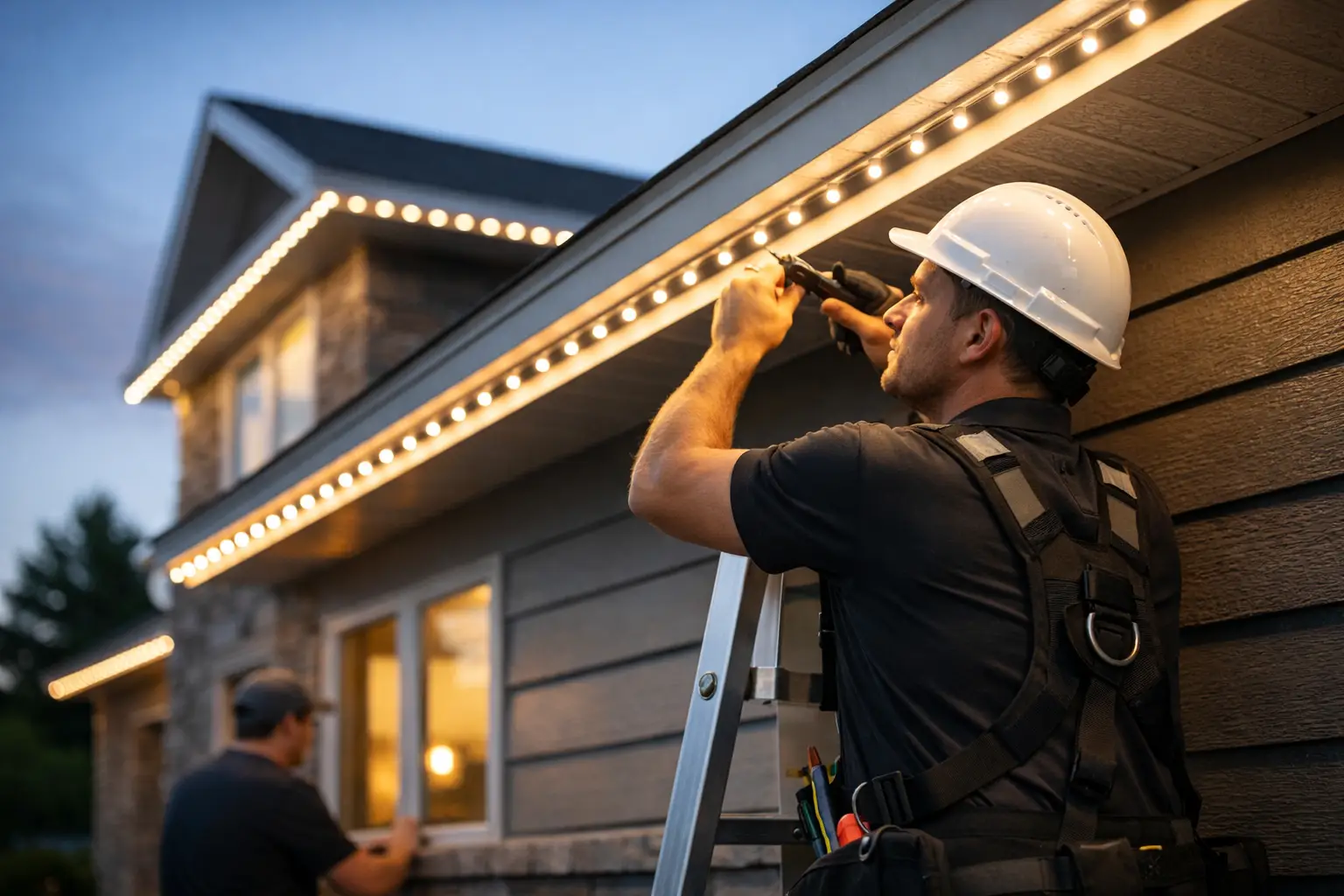
Certified professionals understand how to route wiring correctly, protect connections, and install components in ways that are designed for exterior use. They also know how to avoid damaging siding, soffits, gutters, trim, and landscaping during the process. That is especially important when installing lighting on finished homes where curb appeal matters as much during the day as it does at night.
There is also the business side of safety. A licensed and insured company gives property owners another level of protection. If a homeowner hires someone without proper coverage because the price looks lower, the risk shifts quickly if something goes wrong. Saving money upfront can become expensive if repairs, liability, or replacement work are needed later.
A cleaner look that fits the home
Good lighting should feel intentional. It should complement the architecture, not compete with it. Certified installers usually bring a stronger understanding of product-specific design and placement, which helps the finished result look polished rather than improvised.
This is where custom design matters. A one-size-fits-all approach may work for temporary setups, but permanent outdoor lighting should be tailored to the home. Roofline angles, soffit depth, trim color, landscape features, and outdoor living spaces all affect what will look best. A trained installer can recommend where lighting should go, where it should not go, and how to make the system blend in during daylight hours.
That design perspective is a practical benefit, not just a cosmetic one. A better layout improves light distribution, reduces glare, and helps the home look balanced from the street. Whether the goal is subtle architectural accent lighting, game-day colors, holiday displays, or patio ambiance, proper planning makes the system more useful year-round.
Better performance over time
The best outdoor lighting systems are built for long-term use, but performance depends heavily on installation quality. Certified installers know the specific hardware, channels, connections, controllers, and programming requirements of the systems they install. That helps prevent the kinds of issues that tend to show up months after the job is done.
Common problems with poor installs include sagging components, water intrusion, failing sections, inconsistent brightness, and controls that become frustrating to use. Some of those issues come from shortcuts. Others come from installers working with products they do not fully understand.
A certified installer is more likely to follow the right process from the beginning, which improves durability. That does not mean no system will ever need service. Outdoor products still face weather, debris, and seasonal wear. But a system that is installed correctly usually starts stronger and stays dependable longer.
In places like Northwest Ohio and Southeast Michigan, where wind, rain, snow, and freeze-thaw cycles are all part of the year, durability is not a bonus. It is part of the purchase decision.
Warranty protection and manufacturer support
Another often overlooked point in the benefits of certified light installers is warranty protection. Many lighting manufacturers prefer or require certified installation for full product support. If an uncertified installer modifies the system, uses improper mounting methods, or skips required steps, it can create trouble when warranty issues come up.
For the property owner, this is about preserving the value of the investment. A permanent lighting system is not a disposable decoration. It is a feature of the home or business. Choosing a certified installer helps create a clearer path if service is needed later because the work was done according to approved standards.
This is also where working with an established local company helps. If you ever need troubleshooting, adjustments, or added features later, you want a team that knows the original system and stands behind the install. A quote-driven service company with a real local presence offers more accountability than a seasonal installer who may not be around next year.
Less hassle for the homeowner
Most homeowners looking into permanent outdoor lighting are not hoping to manage another home project. They want fewer ladders, less seasonal setup, and a finished result that works when they want it to. Certified installers help make that possible because they tend to have a more organized process from consultation through installation and support.
That process usually starts with a site-specific plan. Instead of pushing a generic package, a qualified team evaluates the home, discusses goals, and recommends a setup that matches the property. That saves time and prevents the common problem of overbuying features that do not fit the space or underplanning a system that leaves obvious gaps.
It also means cleaner execution. Homeowners should not have to worry about whether the installer understands the product, has the right mounting approach, or is making decisions by trial and error while standing on a ladder. Professional installation removes that burden.
Stronger curb appeal and more usable outdoor spaces
Lighting changes how a property is experienced. It can make a front elevation look more refined, draw attention to landscaping, improve nighttime visibility, and give patios and gathering spaces a more finished feel. Certified installers are often better equipped to create those results because they understand both the technical side and the visual side.
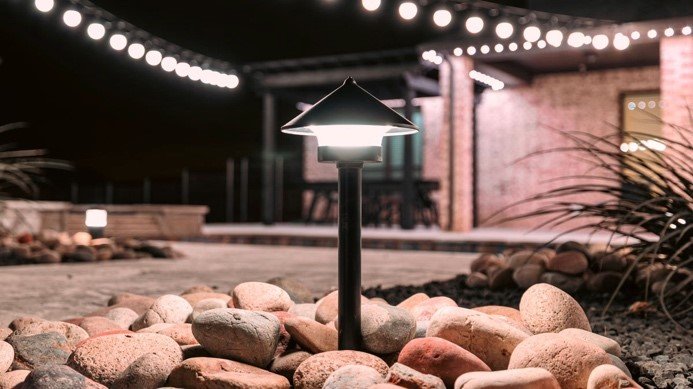
For some homes, that means a subtle roofline system that disappears during the day and comes alive at night. For others, it means layered lighting that includes landscape accents, patio lighting, and architectural highlights. The right installer will know when a dramatic look makes sense and when restraint will serve the property better.
There is a trade-off here worth mentioning. More lighting is not always better. Too much brightness or poor placement can flatten the home’s features instead of enhancing them. A certified installer is more likely to guide you toward a balanced plan that looks high-end rather than overdone.
Better value than the cheapest bid
Price matters, and every homeowner has a budget. But outdoor lighting is one of those projects where the cheapest option can become the most expensive if the work has to be corrected. A low bid may leave out design time, quality mounting methods, warranty-backed installation, or post-install support.
Certified installation usually costs what it costs for a reason. You are paying for training, insurance, product knowledge, and workmanship that protects the home as well as the lighting system. That does not automatically mean the highest quote is the best one. It means value should be measured by what is included, how the system is installed, and whether the company will still be there if you need help later.
For homeowners who care about visible quality, that difference tends to show right away. Straight lines look straighter. Components look more concealed. Controls work the way they should. The home looks upgraded instead of simply decorated.
Choosing the right certified installer
If you are comparing companies, ask practical questions. Are they certified on the system they are proposing? Are they licensed and insured? Do they customize the design to the property, or are they selling the same package to every home? Can they explain how the installation will protect the exterior surfaces and how service is handled after the project is complete?
You should also look for a company that understands the broader exterior picture. Lighting does not exist in isolation. Rooflines, landscaping, patios, and overall curb appeal all work together. That is one reason many homeowners prefer a provider that specializes in exterior improvements and knows how to make each part of the property support the next.
At Hamilton Home Accents, that kind of detail matters because homeowners are not just buying lights. They are investing in how their home looks, feels, and functions after sunset.
The right lighting system should make life easier, make the property look better, and keep doing both without constant attention. That is why certification matters – not as a buzzword, but as a sign that the job will be done with care, skill, and pride.