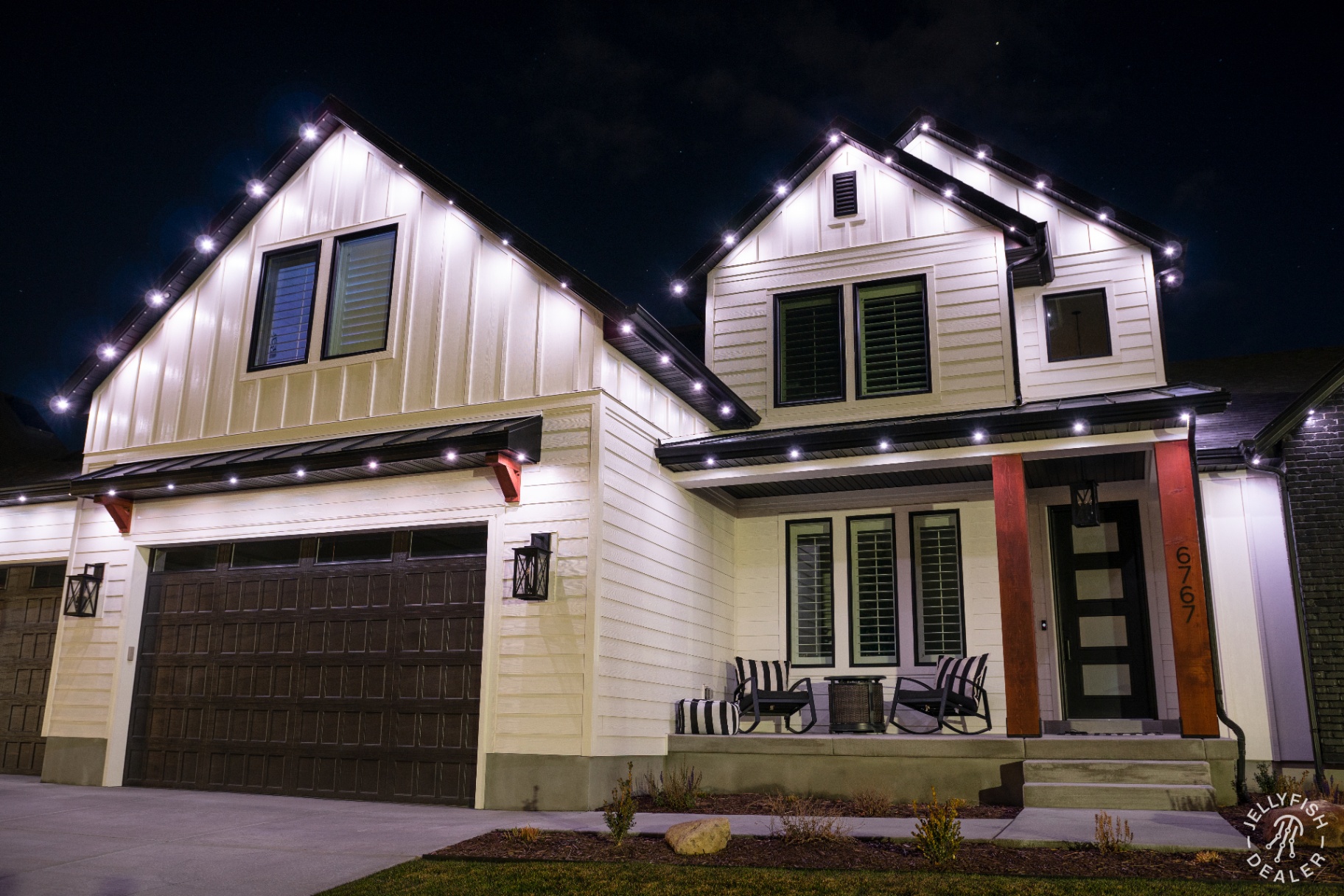
Multi-Colored vs. All-White Holiday Displays: What Looks Best on Brick vs. Siding
Choosing holiday lights color for your home means thinking about brick tone and siding color first. Here's how warm white and multi-color read differently on each.
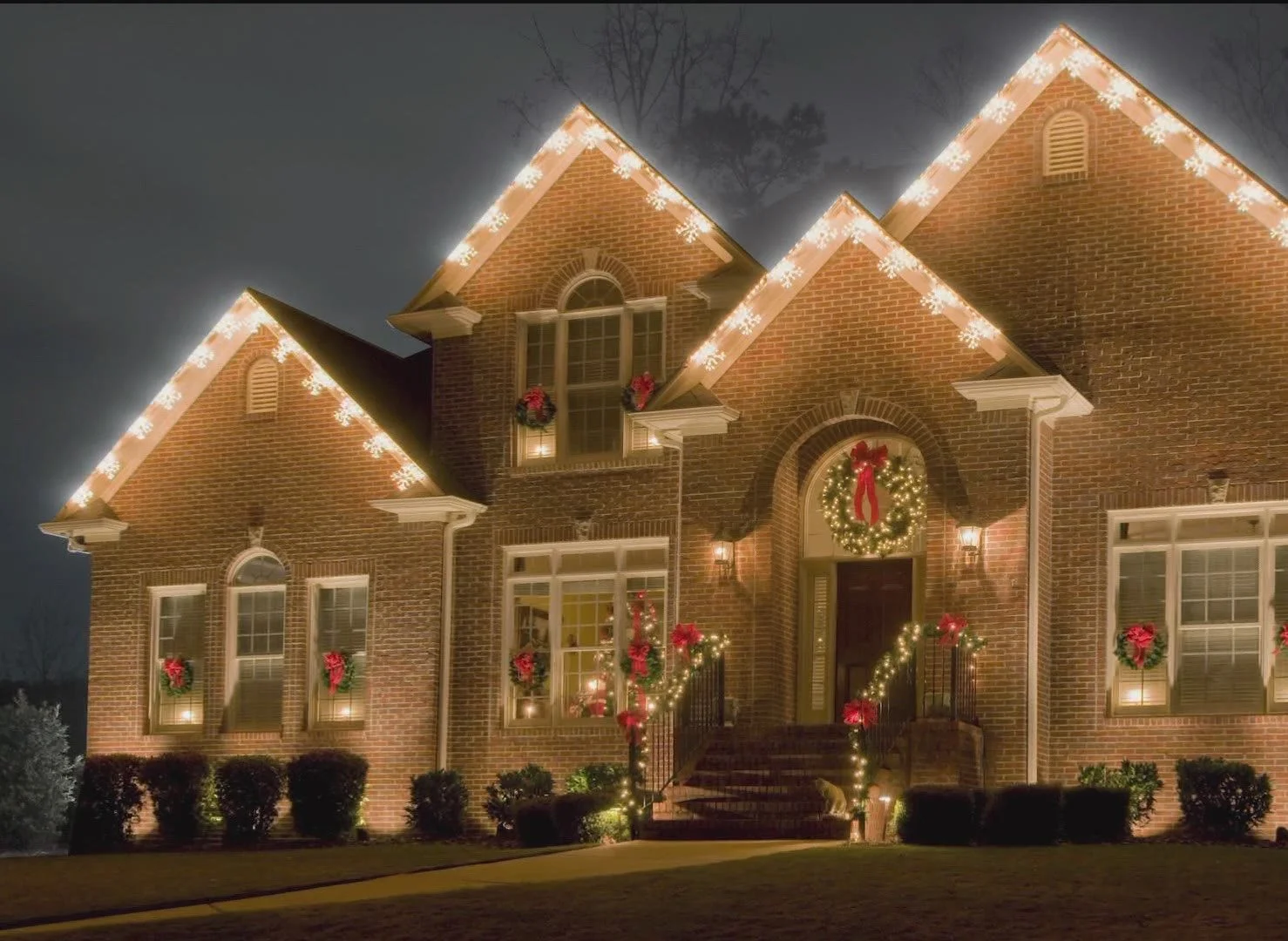
Holiday lights color choice comes down to what is behind the bulbs as much as the bulbs themselves. A strand of warm white lights reads completely differently against red brick than it does against light gray siding, and the same is true for multi-color displays. Before you decide on a look, it helps to think about your home's base color the way you would think about paint undertones.
We install a lot of both styles across Northwest Ohio, and the homes that photograph best usually picked their color scheme with the exterior in mind rather than picking a style first and hoping it works.
This post covers how brick, stone, and different siding colors change the way holiday lighting reads, along with a few practical mistakes to avoid.
Why brick color changes how lights look
Red and orange brick has a warm undertone, so warm white lights tend to sit naturally against it rather than clashing with the wall color. Cool white or bright blue-white bulbs can look stark against that same brick, almost like a mismatch between two different color temperatures.
Lighter brick, tan brick, or painted brick gives you more flexibility since the base color is more neutral. Multi-color displays generally show up better here than they do on deep red brick, where bold colors can visually compete with the wall.
If your home has brick on the lower level and siding above, it is worth deciding whether you want one consistent color running the whole roofline or a different treatment for each material.
How siding color affects the same lights
Light gray, white, and beige siding are close to a blank canvas, which is part of why multi-color and RGB displays tend to look sharp on these homes. There is enough contrast between the siding and the lights that colors read clearly instead of blending in.
Darker siding, like navy, charcoal, or dark green, creates strong contrast for almost any light color, including warm white. These homes tend to look good with a simpler, more restrained display since the contrast alone does a lot of the visual work.
Vinyl siding with a slight yellow or cream tone behaves more like brick in that warm white tends to blend in more naturally than a cool-toned bulb.
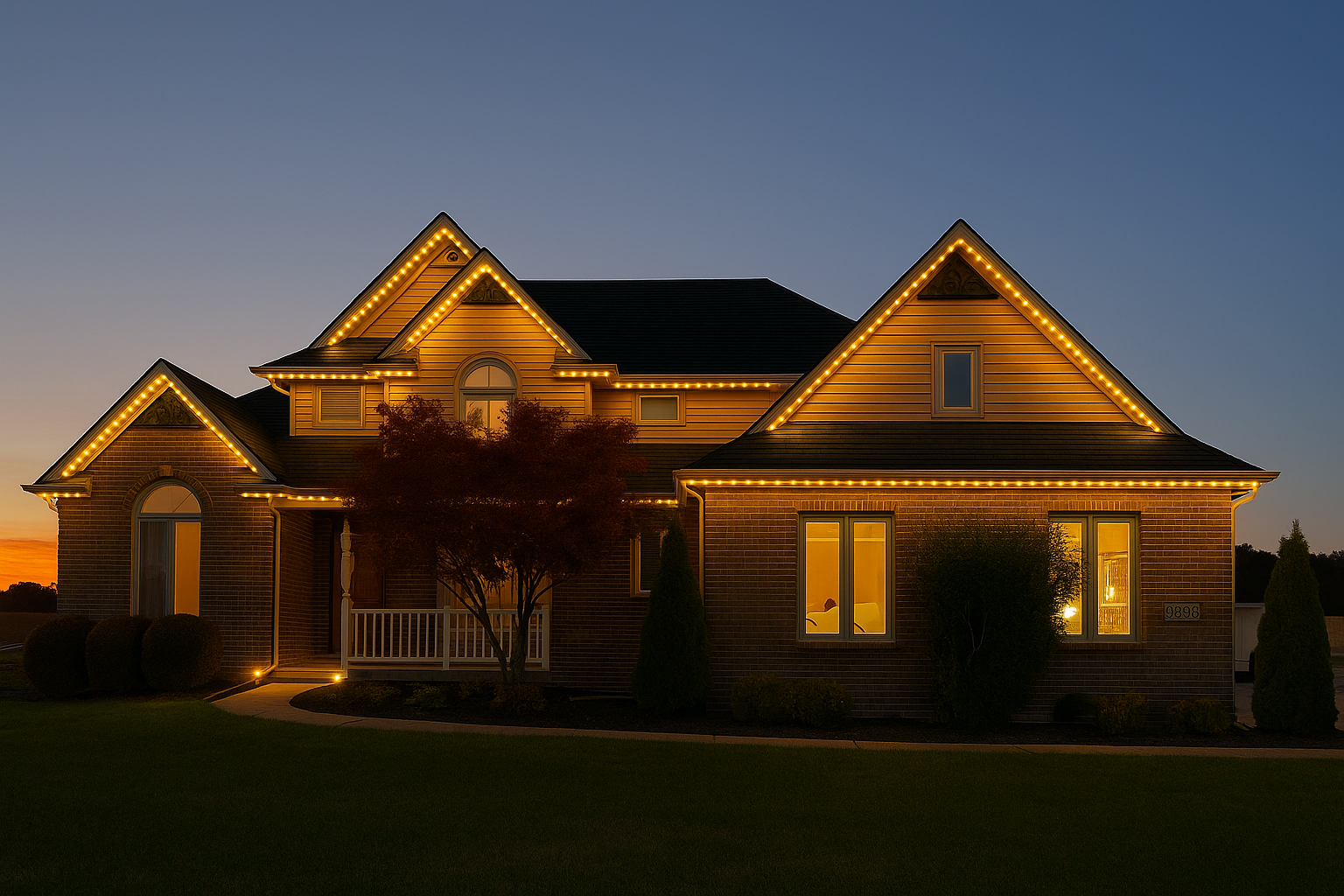
Where multi-color displays work best
Multi-color holiday lighting tends to be most effective on neutral-toned homes, larger rooflines with more surface to work with, and houses where the homeowner wants the display to be the main focal point of the yard rather than a subtle accent.
It is a different goal than warm white, which usually aims to look elegant and blend with the architecture. Multi-color is meant to be noticed, and it does that job best against a plain backdrop.
If your home has a lot of existing architectural detail, like stonework, shutters, or trim colors, a simpler warm white scheme often lets those details still show through at night.
Common mistakes with color choice
The most common issue we see is mixing warm and cool white bulbs on the same roofline, either from replacing a few bulbs over the years with a different product or combining leftover strands from different sets. The mismatch is subtle in daylight but obvious once it is dark.
Another mistake is choosing a bold multi-color scheme for a home with a lot of brick detail, which can end up looking busy instead of intentional. Simplifying to one or two colors usually reads better than a full rainbow pattern.
Finally, homeowners sometimes pick a color scheme based on a photo of a completely different house without accounting for their own siding or brick tone, which is why a quick site visit or photo review before ordering lights is worth doing.
- Keep bulb color temperature consistent across the whole roofline
- Match warm white to warm-toned brick, wood trim, or cream siding
- Save bold multi-color schemes for neutral or dark siding
- Consider a simpler palette if your home has a lot of architectural detail
How this plays into permanent lighting decisions
If you are weighing traditional seasonal lights against a permanent lighting system that runs warm white year-round and switches to color for the holidays, the same siding and brick logic applies. Permanent systems let you preview several color combinations in the app before settling on one, which takes some of the guesswork out of this decision.
For homeowners who only want lighting during the holiday season, traditional holiday lighting install still benefits from thinking through color against your specific exterior ahead of time rather than after the lights are already up.
Frequently asked questions
Does warm white always look better than multi-color?
Not always. It depends on your siding and brick tone. Warm white tends to complement red brick and cream-toned siding, while multi-color often shows up better on neutral or darker exteriors.
Can I mix warm white and cool white bulbs?
We recommend against it. Mixing color temperatures on the same roofline is one of the most noticeable mistakes once the lights are lit at night, even if the bulbs look similar in daylight.
What if I'm not sure which color will look best on my home?
A quick test section, or reviewing a photo of your home against a few reference options during your quote, can help you decide before committing to the full roofline.
Does this decision matter for permanent lighting too?
Yes. The same considerations about brick and siding tone apply, and a permanent system lets you preview multiple color options in the app before settling on your default look.
The bottom line
- Brick and siding tone should guide your holiday light color choice, not the reverse.
- Warm white generally suits red brick and cream-toned exteriors.
- Multi-color displays tend to read best on neutral or dark siding.
- Consistency in bulb color temperature matters more than most homeowners expect.
- A quick test or photo review before ordering can prevent a mismatched look.
Not sure which color scheme fits your home
We can talk through options for your specific brick or siding during a free quote.
Get a free quote