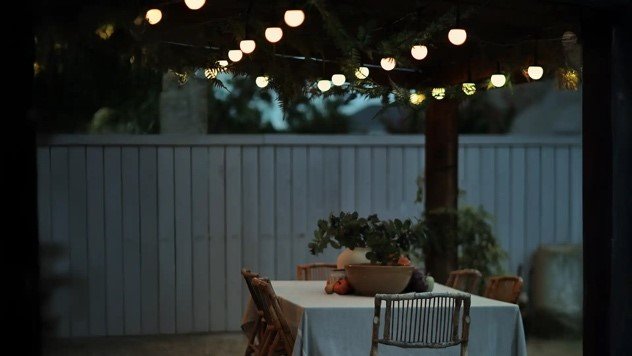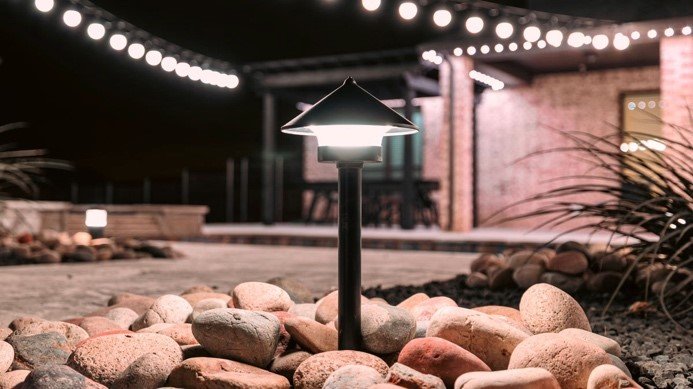
If you are weighing jellyfish lighting versus holiday lights, you are probably not just choosing bulbs. You are deciding how much time, upkeep, flexibility, and year-round value you want from your home’s exterior. For some homeowners, seasonal lights are enough. For others, permanent lighting quickly makes more sense once the ladder, storage bins, burned-out strands, and annual install routine start getting old.
This is one of those home upgrade decisions where the right answer depends on how you use your home, how long you plan to stay there, and how much convenience matters to you. A great-looking house in December is nice. A great-looking house in every season, with lighting you can control in seconds, is a different category altogether.
Jellyfish lighting versus holiday lights: what is the real difference?
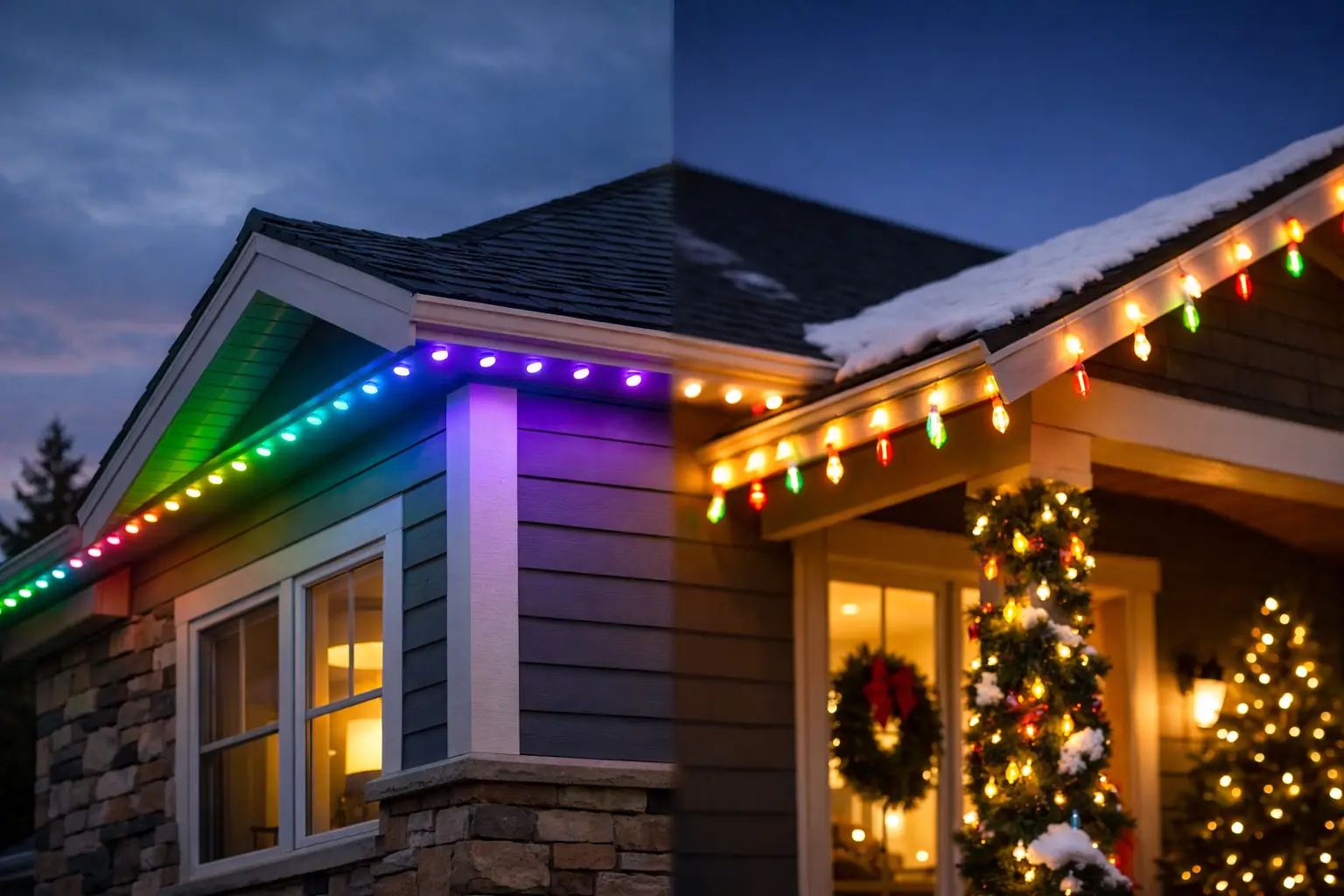
Traditional holiday lights are exactly what most people picture – temporary strands installed for a season, usually along the roofline, then removed, stored, and repeated the next year. They do the job for holiday decorating, and when professionally installed, they can look clean and festive.
Jellyfish Lighting is a permanent outdoor lighting system installed into the home’s architecture in a much more discreet way. During the day, it is designed to blend in. At night, it gives you far more control over color, patterns, brightness, and scheduling than standard seasonal strands ever could.
That distinction matters because this is not simply old lights versus newer lights. It is temporary decor versus a long-term exterior feature. One is built around a season. The other is built around your home.
When holiday lights still make sense
Traditional holiday lighting is still a solid choice for some properties. If you love a classic holiday look and only care about lighting your home for a few weeks a year, seasonal lights may be all you need. They can also make sense if you like changing styles often or if you are not ready to invest in a permanent system.
There is also something familiar about holiday lights. Many homeowners enjoy the yearly tradition, and for some families that setup day is part of the season. If that sounds like you, temporary lighting may be a better emotional fit than a permanent solution.
The trade-off is that seasonal lights come with recurring work and recurring cost. Even when you hire professionals, installation and removal happen every year. Strands wear out. Clips break. Sections fail. Storage becomes part of the process. If you are already tired of that cycle, the charm fades pretty quickly.
Why more homeowners are leaning toward Jellyfish Lighting
The biggest advantage of Jellyfish Lighting is not just that it stays up. It is that it changes how you use your exterior lighting altogether.
Instead of one holiday season, you get lighting for Christmas, Halloween, the Fourth of July, game day, graduation parties, birthdays, patio nights, and everyday curb appeal. You can go from warm white accent lighting to bold team colors without climbing a ladder or replacing a single strand.
For homeowners who want their property to look polished throughout the year, that flexibility is hard to ignore. Permanent lighting also helps avoid the uneven look that can happen with DIY installs. A professionally planned system follows the roofline cleanly, fits the home, and feels intentional rather than temporary.
That matters in neighborhoods where appearance counts. Good exterior lighting should add to the home, not look like an afterthought.
Cost is where the comparison gets more interesting
At first glance, holiday lights usually seem like the less expensive option. And in the short term, they often are. If you only look at one season, temporary lights cost less upfront than a professionally installed permanent system.
But most homeowners do not make this decision for one season. They live with it over years.
If you pay for holiday lighting year after year, the ongoing labor, maintenance, replacement materials, and repeat service visits add up. Over time, the gap narrows. For homeowners who plan to stay in their house and want consistent exterior lighting, Jellyfish Lighting often becomes the better value.
It also helps to think beyond holiday use. A permanent system is not sitting in a bin for eleven months. It is working for security, evening ambiance, celebrations, and curb appeal all year. That broader use changes the value equation.
A good rule of thumb is this: if you only want lights for a short holiday window, seasonal lighting may be financially sensible. If you want lighting to do more than one job, permanent lighting starts earning its keep much faster.
Appearance during the day matters too
Homeowners often focus on how lighting looks at night, but daytime appearance matters just as much. Temporary holiday lights, even when installed neatly, still tend to read as seasonal decor. That is fine in December. It is less ideal when they stay up too long or when clips and wires become more noticeable.
Jellyfish Lighting is designed to be much more subtle during the day. That low-profile finish is a big reason many homeowners choose it. You get the effect when you want it, without making your home look decorated year-round in a way that feels out of season.
For homes with strong architectural lines, brick detail, stone accents, or updated landscaping, that cleaner daytime look can make a real difference. It supports the property instead of competing with it.
Maintenance and reliability
This is where permanent systems often pull ahead for busy homeowners. Seasonal lights simply have more handling. They are installed, removed, packed away, unpacked, tested, and reinstalled. Every step creates wear.
A professionally installed permanent system avoids that annual cycle. That alone reduces a lot of headaches. You are not dealing with tangled strands, missing bulbs, or wondering which section failed after sitting in storage.
Of course, no lighting system is completely maintenance-free. Technology still needs proper installation, and quality matters. That is why certified installation, product knowledge, and a custom layout matter more than people think. The system has to be fitted to the property correctly, not treated like a one-size-fits-all add-on.
For homeowners who value convenience, reliability is not a luxury. It is part of the purchase.
Which option gives you more control?
There really is no contest here. Traditional holiday lights can look great, but their control is limited. Most homeowners are choosing from basic colors, simple timers, and a fixed seasonal setup.
Jellyfish Lighting gives you much more range. You can adjust colors, create scenes, schedule displays, and adapt the look to the moment. That flexibility is especially useful if your home hosts family gatherings, neighborhood events, or business traffic.
It is also useful if you want subtle lighting instead of constant color. One of the biggest misconceptions about permanent lighting is that it has to be bright or flashy. In reality, many homeowners use it in a restrained way most of the year, then switch to something more playful for holidays and special occasions.
That ability to scale up or tone down the look is one of the strongest arguments for going permanent.
Jellyfish lighting versus holiday lights for curb appeal
If your goal is maximum holiday nostalgia, traditional lights absolutely still have a place. They are familiar, cheerful, and tied to the season in a way many people love.
If your goal is broader curb appeal, Jellyfish Lighting usually wins. It gives the home a more finished appearance beyond one time of year. It can highlight rooflines, complement landscaping, and create a cleaner, more upscale exterior presence.
That does not mean permanent lighting is the right fit for every property. Some homeowners truly only want a holiday display and nothing more. Others want a system that adds visual impact in every season and removes a recurring task from their calendar.
That is why the best choice often comes down to lifestyle rather than taste alone.
So which should you choose?
Choose holiday lights if you want a classic seasonal look, lower upfront cost, and lighting that only needs to perform during the holidays. They still work well when the goal is temporary cheer without a long-term commitment.
Choose Jellyfish Lighting if you want year-round versatility, a cleaner daytime appearance, fewer seasonal hassles, and a lighting system that becomes part of your home rather than something you drag out of storage. For many homeowners, especially those investing in curb appeal and convenience, that is the smarter long-term move.
At Hamilton Home Accents, we have seen how much easier exterior lighting decisions become when the system is matched to the home and the homeowner instead of forced into a standard package. That is where design, installation quality, and local experience really matter.
If you are still comparing options, the best next step is not guessing from photos. It is looking at your own roofline, your goals, and how you actually want to use your lighting through the year. The right system should make your home look better and your life easier, not just brighter for a few weeks.