The right lighting changes a house after dark in a way landscaping alone cannot. A well-planned permanent outdoor lighting installation guide starts with a simple question: do you want lights that only look good in December, or a system that works for holidays, game days, patio evenings, security, and everyday curb appeal all year?
That difference matters. Permanent outdoor lighting is not just a string of lights left up longer. It is a low-profile, professionally designed system built to blend into the roofline, highlight architecture, and give you control over color, brightness, and scheduling without dragging out ladders every season. For many homeowners, the real value is convenience. For others, it is the cleaner look, the safety benefit, or the fact that the house finally feels finished after sunset.
What a permanent outdoor lighting installation guide should help you decide
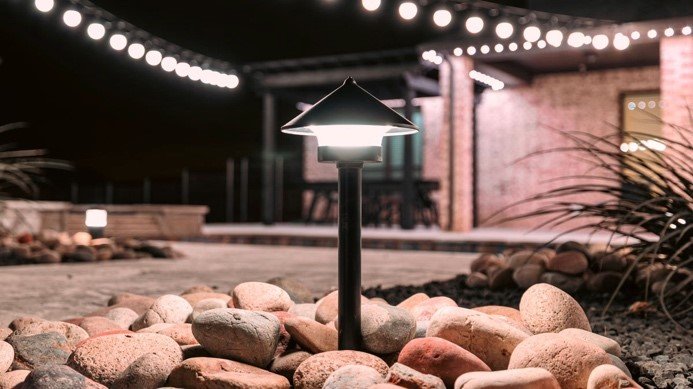
Before anyone talks about clips, controllers, or app settings, the first decision is the purpose of the system. Some homeowners want discreet roofline lighting that disappears during the day and shines at night. Others want to layer roofline lights with patio or landscape lighting so the whole exterior feels intentional instead of pieced together.
This is where a custom plan beats a one-size-fits-all package. A two-story home with multiple peaks, dormers, and deep fascia boards has different needs than a ranch home with a prominent front porch. A family that hosts often may want bolder scenes and easier control presets. A homeowner focused on security may prefer warmer everyday lighting with brighter zones near entries and walkways.
A good plan accounts for your home style, your goals, and the viewing angles from the street. It also considers what you will actually use. Plenty of people love the idea of dramatic lighting but end up relying most on a few everyday settings. The best installation supports both the fun and the practical side.
Choosing the right system for your home
Not all permanent lighting systems are built the same, and this is where quality shows up quickly. Some systems offer a more refined daytime appearance, with tracks and housings designed to stay subtle against the roofline. Others focus more heavily on app-based color effects and flexible scenes.
For homeowners who want a polished architectural finish, professionally installed systems such as JellyFish Lighting are often the strongest fit. They are designed to look integrated with the home rather than added on later. That matters if you care about resale appearance, neighborhood standards, or simply do not want visible hardware distracting from the house itself.
Other options, including Govee permanent outdoor lighting, can make sense in certain situations depending on budget, design goals, and the level of customization needed. The trade-off usually comes down to appearance, durability, and installation detail. Lower upfront cost can be appealing, but it may not deliver the same long-term finish or fit on more complex rooflines.
This is one of those it depends decisions. If your priority is the cleanest possible look and long-term performance, professional design and installation usually win. If your home is simpler and your budget is the main driver, there may be more than one workable path.
Permanent outdoor lighting installation guide: planning before install day
The installation itself goes smoother when the planning is done well. That starts with measuring rooflines accurately, identifying power access, mapping controller placement, and deciding which sections need independent control. It also means thinking through how the system will interact with gutters, soffits, trim details, and any existing exterior features.
Color temperature and brightness deserve more attention than most people give them. Bright does not always mean better. Too much intensity can make a home look harsh, especially in neighborhoods with mature trees, decorative facades, or softer architectural styles. Warm white settings tend to work best for daily curb appeal, while bold colors are great for holidays and special events.
You also want to think about visibility from different angles. A front elevation may look balanced from the driveway but uneven from the street if one roofline section is overlit and another disappears. That is one reason certified installers bring value. They are not just mounting lights. They are designing how the home reads at night.
In areas like Northwest Ohio and Southeast Michigan, weather is part of the planning too. Freeze-thaw cycles, wind, moisture, and seasonal debris all affect long-term performance. A system needs secure mounting, protected connections, and installation methods that hold up through changing seasons.
Why professional installation usually pays off
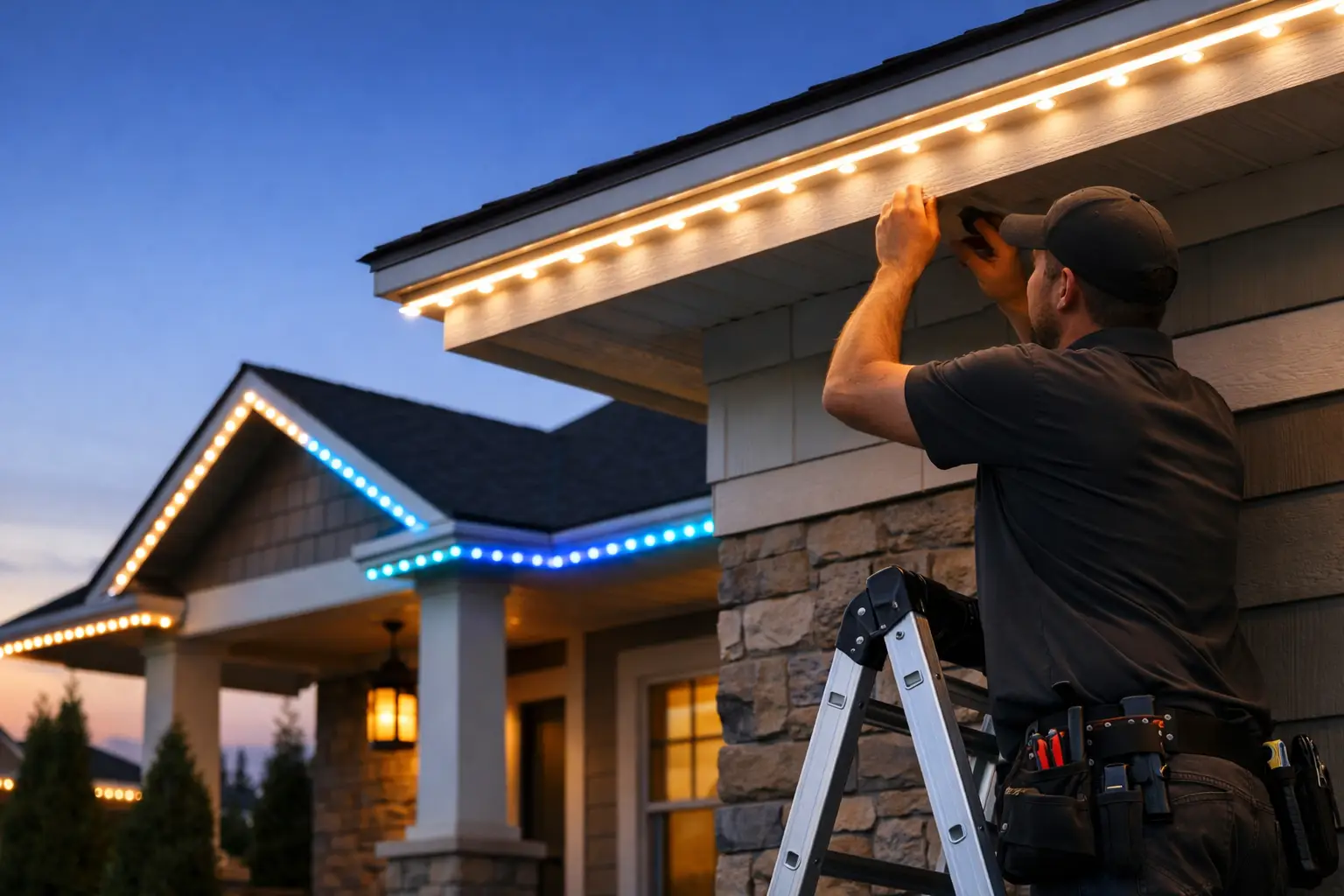
A lot of outdoor projects look simpler from the ground than they are on a ladder. Permanent lighting is one of them. The challenge is not only getting lights attached. It is getting them aligned evenly, hidden properly, powered safely, and programmed in a way that feels intuitive after the crew leaves.
Professional installation reduces the chance of visible gaps, inconsistent spacing, sagging sections, and awkward transitions around peaks and corners. It also helps protect the home itself. Incorrect fasteners, poor wire routing, or rushed mounting can create issues with trim, soffits, or water management over time.
There is also the matter of liability and peace of mind. Working with a licensed and insured installer matters when electrical components are being added to your home exterior. So does choosing a team that knows the product line well and can adjust the design to fit your exact architecture.
For homeowners who are already juggling landscaping, exterior maintenance, and seasonal projects, handing this job to a qualified crew is often the more efficient choice. You get a cleaner result without spending weekends troubleshooting app controls or trying to hide wires after the fact.
What the installation process usually looks like
Most permanent lighting projects begin with a consultation and site review. That is where the layout, product choice, and design goals are discussed. Measurements are taken, mounting surfaces are assessed, and any obstacles are identified early. If the home has unique architectural details, those should shape the design rather than be treated like a problem to work around.
From there, the system is customized to the home. Sections are planned, power and controller locations are finalized, and installation methods are chosen based on the structure. On install day, the crew mounts the lighting carefully, routes wiring discreetly, tests connections, and checks the visual spacing from the ground.
The last step is setup and demonstration. This part should not be rushed. Homeowners need to know how to switch between everyday white lighting, holiday themes, team colors, and custom schedules without feeling like they are learning complicated software. A good installer makes the technology feel simple.
Common mistakes homeowners should avoid
The biggest mistake is shopping only by price. Permanent lighting is highly visible, and the cheapest option can become the most obvious one during daylight hours. If tracks, wires, or fixtures stand out against the home, the installation works against the curb appeal it was supposed to improve.
Another mistake is treating all homes the same. Lighting that looks great on a modern home may feel too sharp on a traditional brick exterior. Likewise, a dramatic holiday setup might be exciting in December but far too intense for everyday use if the system was not designed with flexibility in mind.
Skipping maintenance expectations can also cause frustration. Permanent systems are low maintenance, but low maintenance is not the same as no maintenance. Homeowners should still expect occasional cleaning, seasonal checks, and support if a section needs adjustment. That is another advantage of working with a local company that stands behind the installation.
Getting the most value from your system
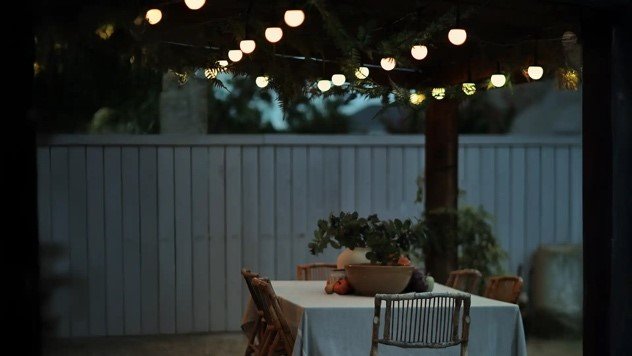
The homeowners who enjoy permanent outdoor lighting most are usually the ones who use it beyond the holidays. Soft white roofline lighting can make a home feel welcoming every night. Color scenes can celebrate birthdays, graduations, community events, and football Saturdays. Patio and landscape lighting can extend outdoor time without making the yard feel overlit.
There is also real value in coordination. When roofline lighting, landscape accents, and exterior upkeep are handled with the same craftsmanship mindset, the property feels intentional. That is where a service-focused company like Hamilton Home Accents can offer more than an install. The lighting becomes part of a broader exterior improvement plan, not a standalone add-on.
If you are considering a permanent lighting system, slow down enough to plan it well. The best result is not the flashiest one. It is the one that looks like it belongs on your home, works the way your family will actually use it, and still looks sharp long after the first holiday season passes.