The houses that stand out at night usually are not the ones covered in temporary clips and tangled extension cords. They are the homes with clean rooflines, balanced color, and lighting that looks intentional every month of the year. That is exactly why jellyfish lighting systems have become such a popular upgrade for homeowners who want more than a short holiday display.
These systems are built for permanent exterior installation, but the real value goes well beyond convenience. A well-designed setup can sharpen curb appeal, highlight architectural details, improve visibility around the home, and give you the flexibility to change colors for holidays, game days, parties, or everyday accent lighting without climbing a ladder again.
What makes jellyfish lighting systems different
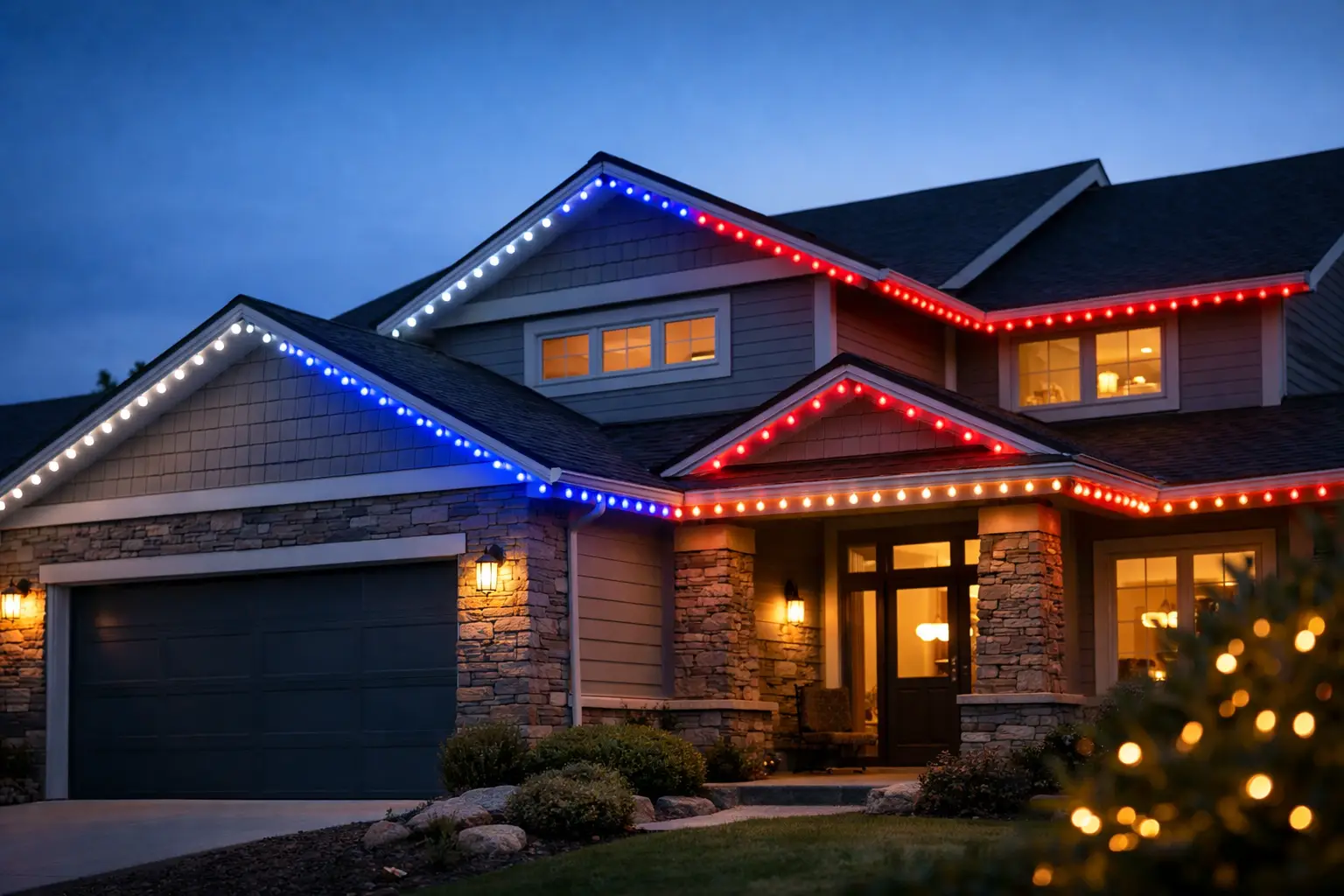
Jellyfish lighting systems are designed to stay in place year-round while remaining discreet during the day. The fixtures are typically installed along the roofline or other exterior architectural features in a way that blends with the home instead of drawing attention to the hardware. When the lights are off, the goal is a clean look. When they are on, the effect is polished and custom rather than temporary.
That difference matters. Seasonal string lights can still work for a quick setup, but they come with trade-offs. They need to be installed and removed, they can look uneven, and they often do not hold up as well after repeated use and storage. Permanent systems are a longer-term investment, but they remove the annual hassle and usually deliver a much more refined finished appearance.
For many homeowners, that is the turning point. It stops being just holiday lighting and starts becoming part of the property itself.
Why homeowners are choosing permanent lighting
The first reason is simple: time. Most people do not want to spend weekends hanging lights in cold weather, replacing failed strands, or troubleshooting outlets in December. A permanent system gives you lighting on demand from a phone or controller, which makes it easy to switch from subtle everyday lighting to a bold holiday pattern in minutes.
The second reason is versatility. One installation can cover Christmas, Halloween, Fourth of July, birthdays, graduation parties, and neighborhood events. If you like to support a school team or celebrate with custom colors, that flexibility is a major benefit. Instead of buying separate decorations for every season, you have one system that adapts.
The third reason is presentation. Professionally installed lighting tends to follow the lines of the home more precisely, which creates a cleaner look from the street. That matters in neighborhoods where curb appeal is part of the pride of ownership and where a home exterior should look finished, not improvised.
The curb appeal advantage of jellyfish lighting systems
Curb appeal is not just about daytime landscaping. Nighttime visibility changes how a home feels from the street, from the driveway, and even from inside looking out. The right lighting can make roof peaks feel sharper, entryways more welcoming, and outdoor spaces more usable after sunset.
With jellyfish lighting systems, the design can be as understated or expressive as you want. Some homeowners prefer warm, soft architectural lighting that adds elegance without looking flashy. Others want vivid colors for holidays and celebrations. Both approaches can work well when the layout is tailored to the house.
That custom aspect is important because not every roofline should be lit the same way. A simple ranch, a two-story colonial, and a mixed-material custom home all benefit from different spacing, placement, and programming. This is one area where one-size-fits-all packages often fall short. Good lighting design respects the proportions of the home instead of forcing a standard pattern onto every property.
Installation quality matters more than most people expect
A permanent lighting system is only as good as its installation. Homeowners usually notice the colors and app controls first, but the long-term results come down to placement, wiring, attachment methods, and the overall finish.
Poor installation can lead to visible hardware, inconsistent spacing, performance issues, or a look that clashes with the architecture. Professional installation focuses on clean lines, secure mounting, and a system that holds up through changing weather. In places like Northwest Ohio and Southeast Michigan, that matters. Exterior products need to handle seasonal swings, wind, moisture, and winter conditions without becoming a maintenance headache.
This is also why many property owners prefer to work with a licensed and insured installer rather than treat permanent lighting like a weekend experiment. The goal is not just to get lights on the house. The goal is to make them look like they belong there.
How jellyfish lighting systems fit into everyday use
One of the biggest misconceptions about permanent exterior lighting is that it is only for major holidays. In practice, many homeowners use their systems far more often than they expected.
A soft white setting can add a finished look on ordinary evenings. Team colors can make game day more fun. A party or graduation celebration feels more put together with coordinated exterior lighting. Some homeowners also like the added visibility around walkways, garages, and entry areas, especially during darker months.
That said, brighter and more colorful is not always better. It depends on the property, the neighborhood, and how you want the home to feel. In some cases, a subtle everyday program paired with occasional holiday scenes is the best balance. In others, a more dynamic setup makes sense because the property is built for entertaining. Good design starts with how you actually plan to use the system, not just what looks impressive in a demo.
Is it worth the investment?
For homeowners who decorate every year, pay for seasonal lighting, or want a long-term curb appeal upgrade, the answer is often yes. The upfront cost is higher than buying temporary strands at a store, but that comparison misses the bigger picture. Permanent lighting saves repeated setup time, reduces annual frustration, and provides value well beyond one season.
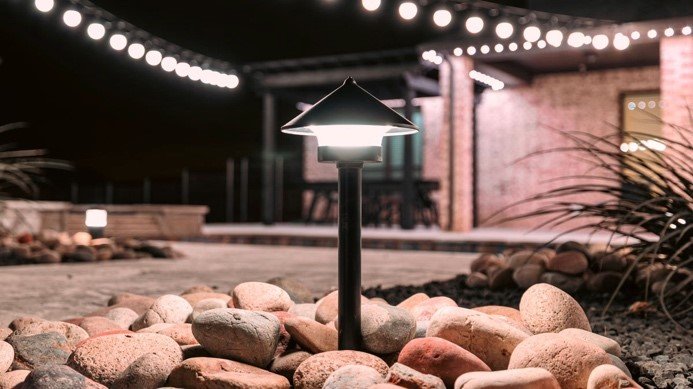
It can also complement other exterior improvements. A home with refreshed landscaping, crisp edging, clean hardscapes, and well-planned lighting simply reads as more cared for. That does not mean every house needs the same package. Some owners want only a roofline installation. Others want a broader exterior strategy that includes landscape lighting, patio ambiance, and general property enhancement.
The right answer depends on your priorities. If your goal is the cheapest possible holiday display, a permanent system may not be the fit. If your goal is convenience, appearance, durability, and year-round flexibility, it becomes much easier to justify.
Choosing the right installer for jellyfish lighting systems
Not all installers bring the same level of design sense or exterior service experience. That matters because permanent lighting sits at the intersection of technology, construction detail, and curb appeal. You want someone who understands not only how to install the product, but how to make it work with the home.
Look for an installer who offers custom recommendations, explains the placement plan clearly, and can speak to durability, maintenance, and programming options in practical terms. Certified installation experience is a strong sign that the work will be completed to a higher standard. Being local, licensed, and insured also matters because it gives you accountability after the job is done.
For property owners in this region, local knowledge is especially useful. Homes in Perrysburg, Maumee, Monclova, Waterville, and nearby communities vary in style, lot layout, and neighborhood expectations. A local company that works on exterior improvements every day can help you choose a lighting design that feels right for both the house and the setting.
At Hamilton Home Accents, that custom approach is a big part of the value. Permanent lighting should not feel like a generic add-on. It should feel like a natural extension of the property.
What to expect from a professional quote
A good quote should account for the structure of the home, the areas being illuminated, access considerations, and the level of customization you want. It should also leave room for a conversation about goals. Some customers want a clean architectural look. Others are focused on holidays and event programming. Those are different use cases, and the design should reflect that.
You should also expect honesty about trade-offs. More coverage creates a stronger visual effect, but it also increases cost. Subtle placements may be better for a refined look, while larger, more visible sections may make sense if you want the home to stand out from farther away. The best recommendation is not always the biggest one. It is the one that fits the property and the way you live.
If you are considering jellyfish lighting systems, the smartest next step is not guessing from photos alone. It is getting a tailored recommendation based on your home, your goals, and the finish quality you want to see every night you pull into the driveway.