Sticker shock usually happens when homeowners compare a basic online light kit to a professionally designed system and assume they should cost the same. They should not. Permanent outdoor lighting installation cost depends on the size of the home, the lighting zones you want covered, the product line you choose, and the level of customization built into the final design.
For homeowners across Northwest Ohio and Southeast Michigan, the real question is less about finding the cheapest number and more about understanding what you are paying for. A permanent lighting system is part curb appeal upgrade, part convenience investment, and part long-term exterior improvement. When it is installed correctly, it looks clean in daylight, performs reliably at night, and saves you from climbing ladders every holiday season.
What affects permanent outdoor lighting installation cost?
The biggest driver is linear footage. A one-story ranch with a simple roofline will usually cost less than a two-story home with peaks, dormers, covered entryways, and garage sections that all need custom fitting. More footage means more track, more lights, more wiring, and more installation time.
The second major factor is layout complexity. Homes with straightforward front elevations are faster to install than homes with multiple roof transitions, tight corners, or architectural details that require extra planning to keep the system discreet. The same goes for mixed-use lighting plans. If you want roofline lighting, patio lighting, and landscape accent lighting working together, the design and labor become more involved.
Product selection matters too. Permanent systems are not all built the same. Some offer brighter output, tighter app control, more color options, better weather resistance, or a cleaner daytime appearance. Premium systems with proven durability and professional-grade components will generally cost more upfront, but they often provide a better finished look and fewer headaches down the road.
Then there is access. A home with easy ladder placement and open work areas is different from a property with steep grades, delicate landscaping, hard-to-reach peaks, or obstructions around the roofline. Installation logistics affect labor, and labor is a meaningful part of the overall price.
Typical permanent outdoor lighting installation cost ranges
Most homeowners are looking for a ballpark before they request a quote, and that is fair. In many cases, permanent outdoor lighting installation cost for a professionally installed residential system can start around the low thousands and move upward based on home size and scope. Smaller, simpler installations may land on the lower end of that range, while larger custom homes or multi-zone designs can reach significantly higher.
A front-facing roofline project only is usually less expensive than wrapping the full home. Adding garage outlines, gables, dormers, backyard entertaining areas, or landscape lighting increases both material and labor costs. Commercial properties also tend to price differently because building scale, visibility goals, and control requirements are often broader.
This is why quote-driven pricing exists. Two homes on the same street can have very different numbers even if they look similar at a glance. Roofline dimensions, soffit style, power access, and design goals all matter once a professional is actually measuring the property.
Why cheap kits and professional installs are not the same thing
It is easy to find permanent lighting products online and assume installation is just attaching lights to the house. In practice, the difference between a kit and a professionally installed system usually shows up in three places: appearance, longevity, and support.
Appearance matters more than most people expect. During the day, homeowners do not want visible wires, sloppy mounting, or sections that look tacked on as an afterthought. A well-installed system is fitted to the home so the lighting stays subtle until it is turned on.
Longevity matters because these systems live outside year-round through rain, snow, sun, and temperature swings. Professional installers account for mounting surfaces, weather exposure, electrical planning, and control setup in a way that a quick DIY install often does not. The lower price on a box kit can disappear quickly if parts fail early or the finished look is disappointing.
Support is the other piece people forget to price in. If something needs adjusting, troubleshooting, or expanding later, it helps to have a local, licensed and insured team behind the work instead of a customer service email and a ladder in your garage.
Cost by project type
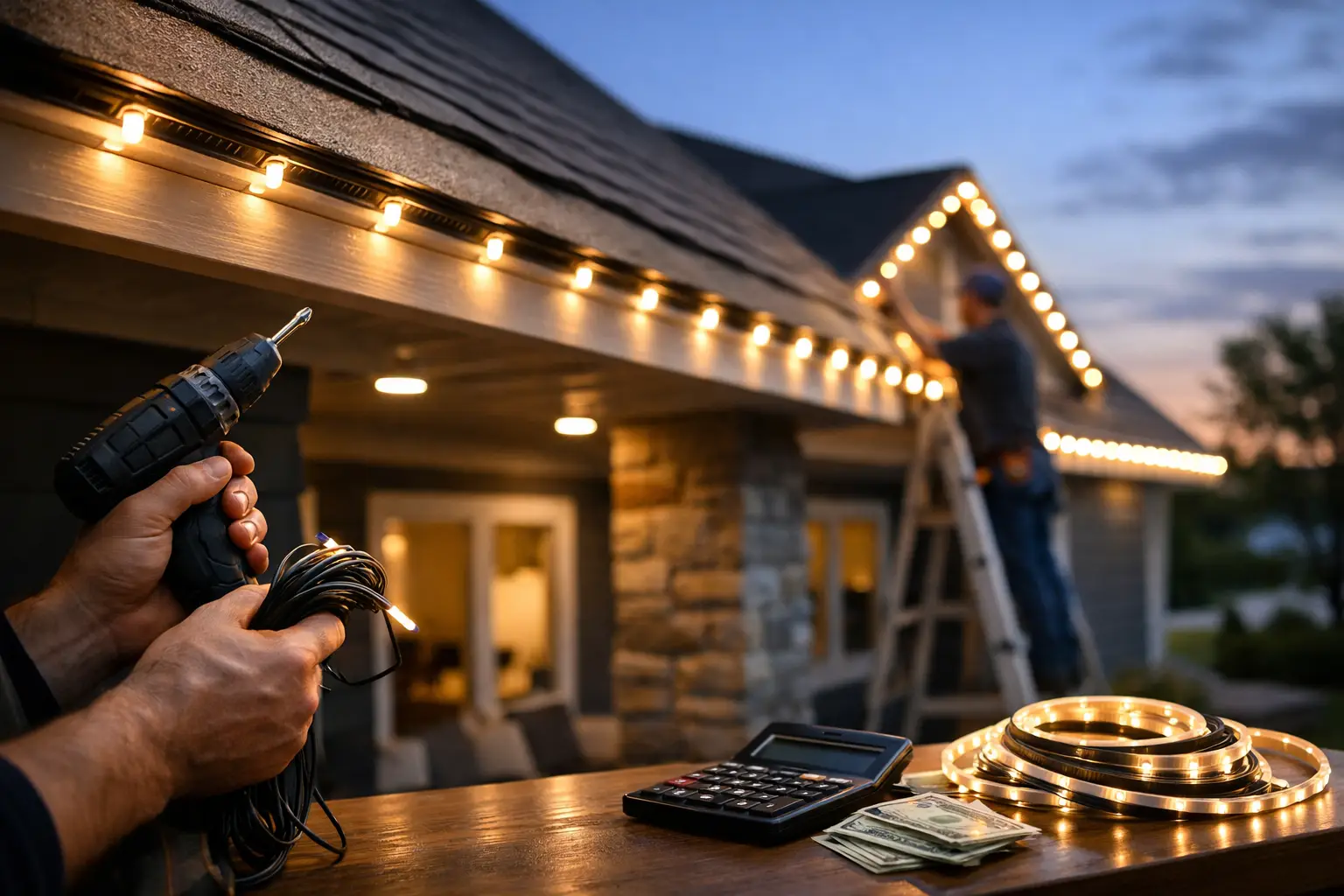
A roofline-only system is often the starting point because it delivers the biggest visual impact from the street. This is the setup many homeowners want for holidays, game days, special occasions, and everyday accent lighting. It can be a smart choice when the goal is maximum curb appeal without expanding into other zones.
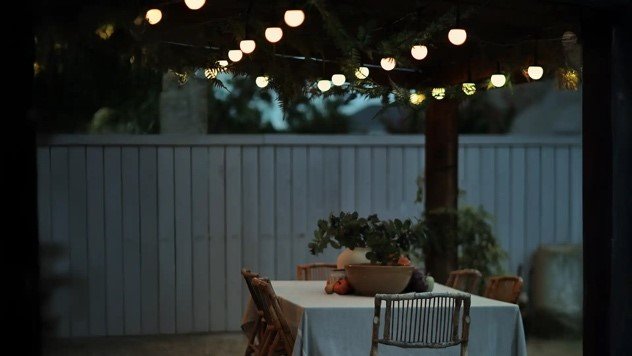
Patio and entertaining-area lighting adds a different kind of value. Instead of focusing only on the front of the house, it improves how the space functions at night. If you host often, want more ambiance, or use your backyard regularly, this can justify a higher investment because the lighting becomes part of how you live outside.
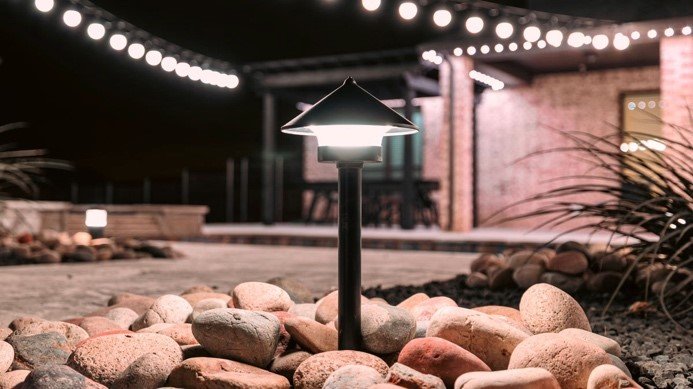
Landscape lighting can be added as a separate phase or designed into the project from the beginning. That may include beds, pathways, trees, architectural accents, or water features. The price can rise quickly depending on fixture count and trenching needs, but it also creates a more complete, polished result.
Some homeowners choose a phased approach for budget reasons. That can work well if the system is planned properly from the start. Installing the front roofline now and adding backyard or landscape zones later is often more manageable than trying to do everything at once.
What is included in a professional quote
A solid quote should cover more than lights and labor. It should reflect the design process, the actual measurements of your home, the selected system, control components, installation method, and any site-specific conditions that affect the work.
It should also account for workmanship quality. Certified installation, proper mounting, clean wire management, and a custom fit are not throwaway details. They are what separate a system that looks integrated from one that looks temporary.
In many cases, the quote also reflects after-installation setup so the homeowner can actually use the system with confidence. That includes app pairing, programming help, and a walkthrough of how to switch between everyday lighting and seasonal displays. For many busy homeowners, that convenience is part of the value.
How to budget wisely without underbuying
The best way to budget is to decide what role the lighting should play for your property. If your main goal is holiday convenience, a front roofline installation may be enough. If you want year-round curb appeal and entertaining value, it may make sense to include additional areas now rather than retrofit later.
It also helps to think in terms of total ownership, not just initial price. A lower quote is not always the better value if it comes with fewer design options, a less refined appearance, or uncertain service after the job is done. Exterior upgrades should hold up and look right, especially on homes where presentation matters.
Ask whether the proposal is custom or package-based. One-size-fits-all pricing can sound simple, but homes are not all shaped the same, and lighting should complement the architecture. A custom quote may cost more than a generic package, yet still deliver a better result because it is built around your specific property.
Is permanent lighting worth the cost?
For many homeowners, yes, especially if they are already paying for seasonal lighting year after year or simply tired of the effort involved. Permanent systems remove much of the annual hassle while giving you more flexibility for holidays, birthdays, school colors, sports celebrations, and everyday architectural lighting.
There is also the curb appeal factor. A well-lit home stands out, and not in a flashy way when it is designed correctly. It looks cared for. That matters to families who take pride in their property and to business owners who want a polished exterior presence.
The value is strongest when the system is tailored to the house and installed by people who understand both lighting and exterior craftsmanship. That is where local experience matters. A family-owned company like Hamilton Home Accents understands what homeowners in this region want from their exterior improvements: clean work, lasting performance, and visible results that feel worth the investment.
Getting the right number for your home
Online estimates can help set expectations, but they cannot tell you exactly what your home needs. The only reliable way to price a permanent system is with a consultation that looks at your roofline, your goals, your preferred product, and the finish level you expect.
That is especially true if you are comparing options like Jellyfish Lighting, Govee permanent outdoor lighting, patio lighting, or a broader exterior makeover. Once lighting becomes part of a bigger curb appeal plan, the smartest investment is the one that fits the property instead of forcing the property to fit a package.
If you are weighing permanent outdoor lighting installation cost, focus on the result you want to come home to every night. The right system should make your home look sharper, feel more usable, and save you work for years to come.