A front yard can look freshly landscaped and still feel unfinished if the bed lines are soft, uneven, or hard to maintain. That is why front yard edging ideas matter more than most homeowners expect. The right edge does two jobs at once – it gives your landscape a cleaner, more polished look, and it helps keep mulch, grass, and planting beds where they belong.
For homes in Northwest Ohio and Southeast Michigan, edging also has to deal with real weather. Freeze-thaw cycles, spring rain, summer growth, and leaf cleanup all put pressure on whatever border you install. A pretty edge is nice. A pretty edge that still looks good next season is better.
Why front yard edging ideas make such a big difference
Edging creates order. It frames planting beds, guides the eye toward the entry, and gives shrubs, flowers, and decorative stone a finished border. Even a simple yard starts to look more intentional when the lines are crisp.
There is also a practical side. Good edging can reduce grass creep, limit mulch washout, and make mowing easier. If you have ever trimmed around a bed that slowly lost its shape over two seasons, you already know the value of a defined edge.
The best choice depends on your home style, your maintenance tolerance, and how permanent you want the improvement to be. Some homeowners want a weekend fix. Others want a long-term upgrade that matches a premium exterior.
12 front yard edging ideas worth considering
1. Natural cut edging
This is the clean trench-style edge cut directly into the soil between lawn and bed. It is one of the most affordable ways to sharpen the look of a front yard, and when done well, it looks neat and understated.
The trade-off is upkeep. Natural edges need to be re-cut periodically, especially during strong growing seasons. If you like a classic landscape look and do not mind maintenance, this is a strong option.
2. Steel edging
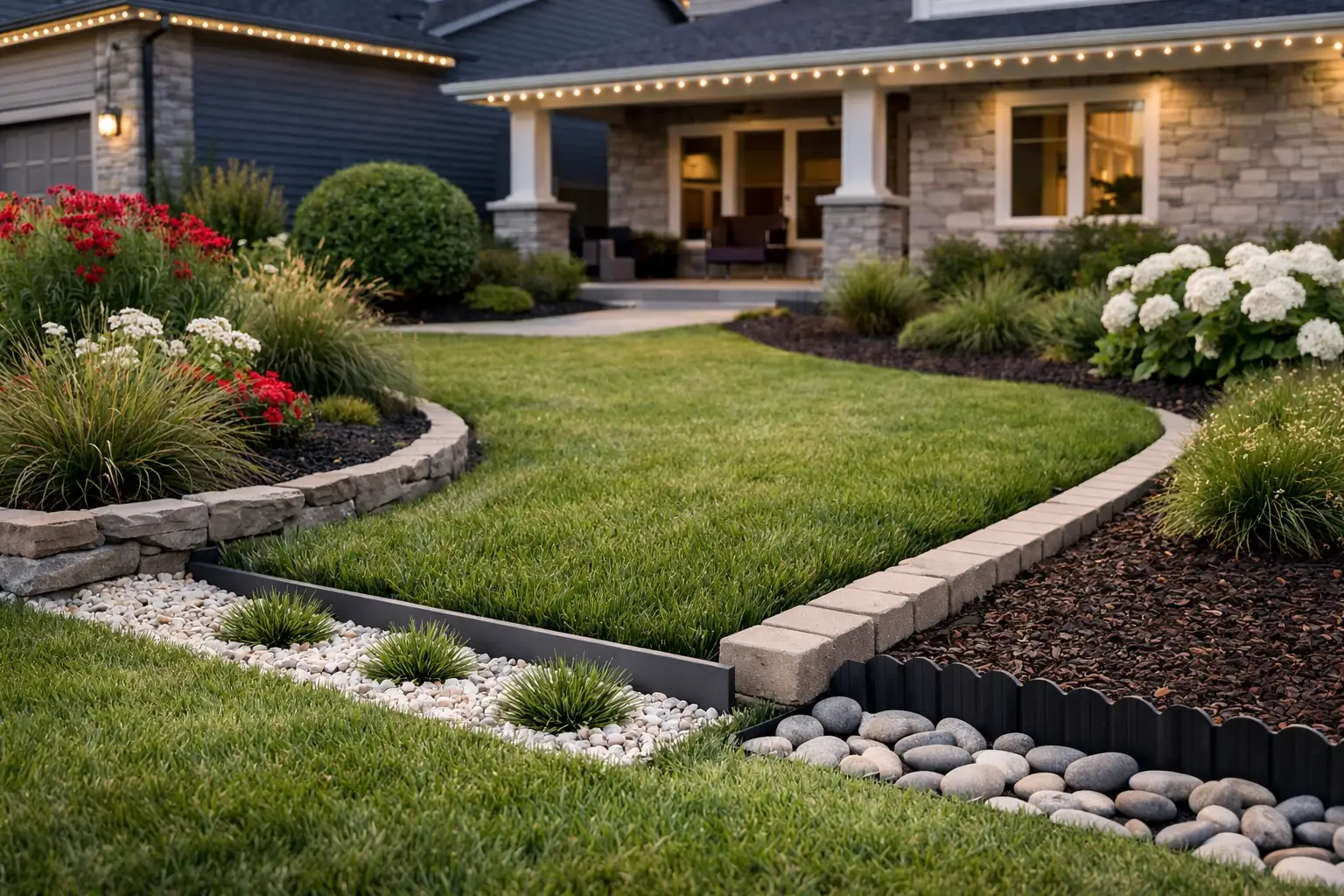
Steel edging has a slim profile and a very clean appearance. It works especially well on modern homes or landscapes with simple lines and structured planting.
It is durable and less visually bulky than many other materials. The downside is cost. Professional installation is often worth it here, because a wavy or poorly set steel edge loses the crisp look that makes it appealing in the first place.
3. Aluminum edging
Aluminum gives you a similar clean look with strong rust resistance. For homeowners concerned about long-term performance in wet conditions, that can be a real advantage.
It tends to be lightweight and flexible enough for curves, which helps if your front walk or garden beds are not strictly straight. It is not always the cheapest option, but it usually looks more refined than plastic alternatives.
4. Brick edging
Brick edging adds warmth and a more traditional feel. It pairs well with colonial homes, brick facades, and front yards that already feature masonry details.
You can set bricks flush for a subtle border or angle them for a more decorative pattern. Brick looks established and inviting, but it can shift over time if the base is not prepared properly. In climates with seasonal movement, installation matters.
5. Concrete paver edging
Pavers create a more substantial border and can tie into a walkway, porch, or retaining wall. If you want your front yard edging to feel like part of the full property design rather than a separate add-on, this is one of the better choices.
Paver edging can lean formal or relaxed depending on the shape and color. It does take more labor and planning than a simple trench edge, but the finished result often adds a stronger sense of permanence.
6. Natural stone edging
Stone gives a front yard texture and character that is hard to fake. It works especially well with cottage-style homes, layered foundation plantings, and yards that use boulders, river rock, or water features.
The challenge is consistency. Natural stone can look beautifully organic, or it can look messy if scale and placement are off. This is one of those ideas where experience makes a visible difference.
7. Belgian block or cobblestone edging
If you want a premium look, cobblestone-style edging stands out. It has weight, definition, and strong curb appeal, particularly along driveways and front walks.
It is also durable. The main consideration is cost and fit. On a smaller or simpler home, this type of edging can feel heavier than necessary. On the right property, though, it adds a high-end finish that photographs well and ages well.
8. Black plastic edging
Plastic edging is common because it is budget-friendly and easy to find. It can be useful for simple bed separation, especially in areas where appearance is less critical.
For a front yard focal area, though, it often falls short. It can warp, heave, or become more visible over time. If you are investing in curb appeal, plastic is usually better as a temporary solution than a long-term one.
9. Rubber edging
Rubber edging is marketed as flexible, durable, and easy to install. It can work in curved beds and around play-friendly spaces where softer materials appeal to families.
Visually, it depends on the product. Some versions look clean enough from the street. Others can look manufactured in a way that does not match a polished landscape design. It is worth seeing samples in person before committing.
10. Rock edging
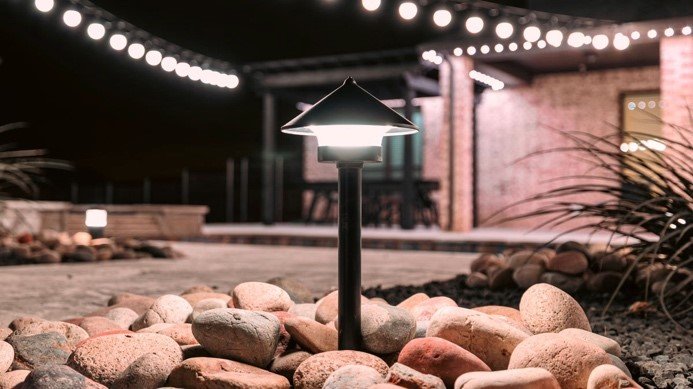
Larger decorative rock can define beds in a casual, low-maintenance way. It is often used around mailbox landscaping, tree rings, or drought-tolerant beds.
The caution here is that loose rock edging can scatter and collect debris. It also tends to blur the line between edging and filler unless the stones are intentionally sized and placed. Used carefully, it can add texture. Used casually, it can feel unfinished.
11. Timber edging
Wood edging has a natural look that suits informal landscapes. It is sometimes used in garden-style front yards or where homeowners want a softer, less polished feel.
In our region, wood is rarely the longest-lasting option. Moisture, insects, and seasonal wear can shorten its life. It may work for a certain style, but it usually is not the best fit for homeowners looking for a durable, low-maintenance front yard upgrade.
12. Raised curb edging
Raised concrete curb edging creates one of the strongest visual separations between lawn and bed. It is highly defined, long-lasting, and especially useful where mulch washout or grass invasion has been a recurring issue.
This is not the right choice for every home, because it has a more pronounced look. But for homeowners who want a very tidy appearance and minimal reshaping over time, it can be an excellent investment.
How to choose the right edging for your yard
Start with the architecture of your home. A formal brick house often looks best with brick, pavers, steel, or cobblestone-style edging. A more natural or transitional home may pair better with stone or a simple trench edge. The goal is not to force a material into the yard. It is to make the landscape feel like it belongs with the house.
Then think about maintenance. If you want the lowest upfront cost, natural cut edging is attractive, but it asks for regular touch-ups. If you want a stronger long-term line, metal, stone, pavers, or raised curb systems usually hold their shape better.
Budget matters too, but not just in the initial install. A cheaper edge that shifts, cracks, or needs replacement can cost more in the long run. For many homeowners, the smartest value comes from choosing a material that fits both the look of the property and the amount of upkeep they realistically want to handle.
Where edging has the biggest impact
The highest-return areas are usually the front walk, foundation beds, mailbox landscaping, and driveway borders. These are the places people notice first. Clean edging in those zones can make the entire property look more maintained, even before flowers bloom or lighting turns on.
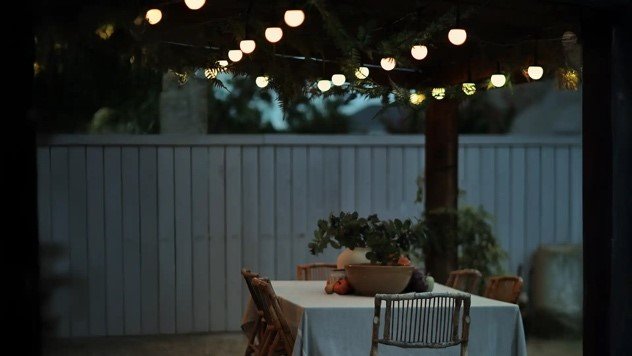
This is also where coordination matters. Edging should not compete with your hardscaping, planting design, or outdoor lighting. It should support them. A well-edged bed with fresh mulch and properly placed landscape lighting can completely change the evening appearance of a home without feeling overdone.
When professional installation is worth it
Some front yard edging ideas are very DIY-friendly. Others only look good when the grading, spacing, and alignment are right. That is especially true for metal edging, stone borders, pavers, and raised systems.
Professional installation becomes even more valuable when edging is part of a broader curb appeal update. If you are already improving your beds, adding fresh mulch, reshaping plantings, or planning landscape lighting, it makes sense to get the lines right from the start. Companies like Hamilton Home Accents often see this firsthand – the small details around bed definition are what make the entire front yard look custom instead of pieced together.
A sharp edge will not be the loudest feature in your front yard, and that is exactly the point. It gives everything else a cleaner stage, from seasonal color to permanent lighting to the simple pride of pulling into a home that looks well cared for.