A home can look polished in daylight and disappear after sunset. That gap is why smart exterior lighting trends are changing how homeowners approach curb appeal, security, and outdoor enjoyment. Rather than hanging temporary lights for a few weeks each year, more property owners are choosing professionally installed systems that make the home look intentional every night of the year.
The strongest trend is not simply adding more light. It is using the right light in the right place, with controls that make it easy to shift from a warm everyday look to holiday colors, game-day pride, or lighting for a backyard gathering. For homes across Northwest Ohio and Southeast Michigan, a well-planned lighting system also needs to stand up to changing seasons without becoming another maintenance project.
Permanent Lighting Is Replacing the Seasonal Ladder
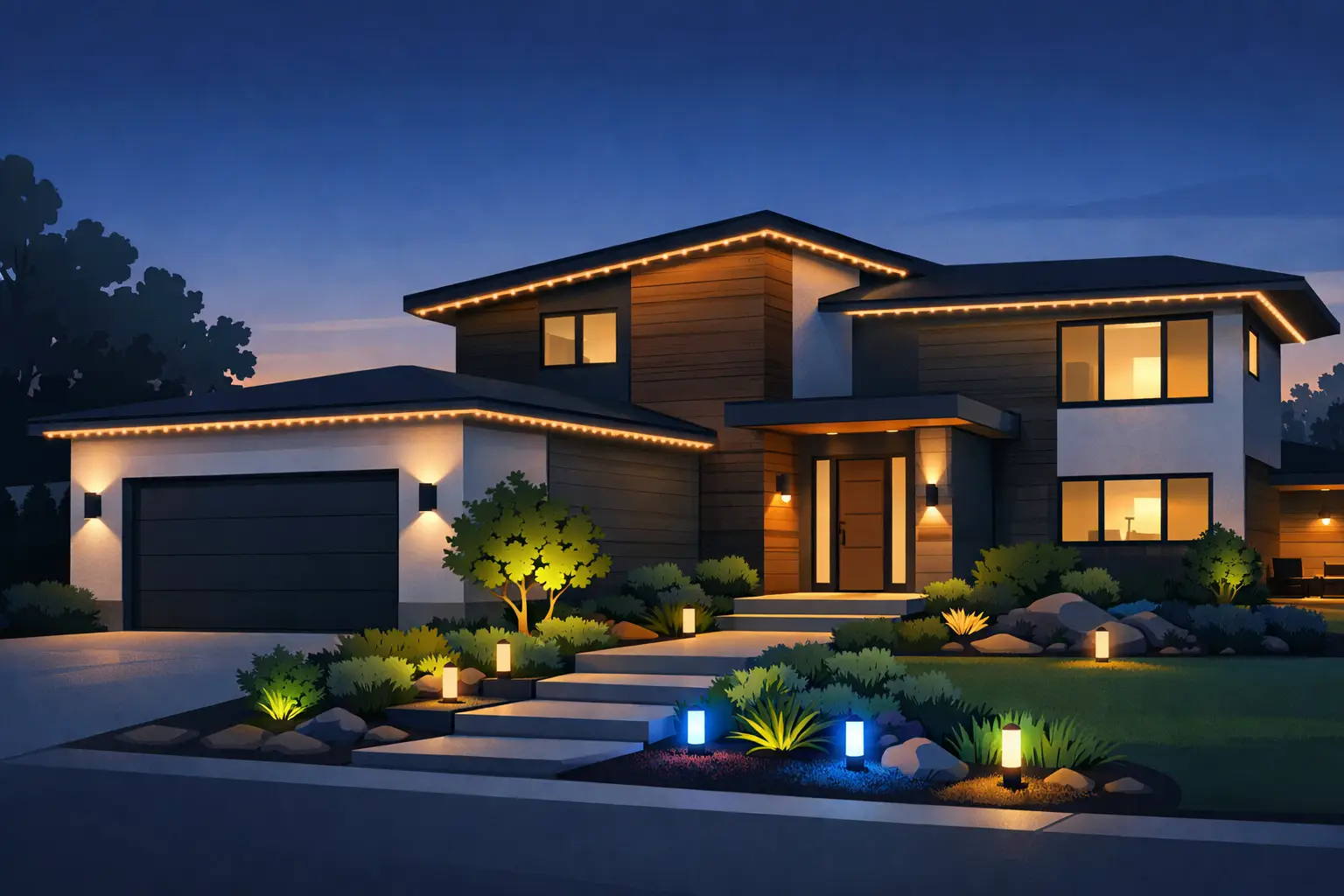
The most visible shift in exterior lighting is the move toward permanent roofline lighting. Homeowners still want the excitement of holiday displays, but fewer want to spend a cold November weekend on a ladder, untangling strands and replacing bulbs. Permanent systems place discreet, durable lights along the roofline so they are ready whenever the occasion calls for them.
Jellyfish Lighting is a leading choice for homeowners who want a custom, polished appearance with year-round flexibility. During most of the year, the fixtures can provide clean architectural accent lighting in warm white. When the calendar changes, the same system can display colors and patterns for holidays, birthdays, graduations, sporting events, or family celebrations.
The difference is in the installation. A professional design accounts for rooflines, peaks, trim color, power access, controller placement, and the viewing angles that matter most from the street. The goal is for lights to complement the architecture, not look like an afterthought attached to it.
Smart Exterior Lighting Trends Favor Control Without Complexity
Smart controls are valuable only when they make life easier. Today’s exterior systems allow homeowners to manage colors, schedules, zones, and brightness from a convenient app or controller. That means no walking outside in bad weather to set a timer and no need to remove lights after the season ends.
Scheduling Creates an Everyday Finished Look
A simple schedule can turn lights on at dusk and off at a preferred time, giving the property a welcoming presence without wasting energy overnight. For families arriving home after practices, late work shifts, or evening errands, that consistency makes a difference. It also helps small commercial properties maintain a more professional after-hours appearance.
Scheduling should still be thoughtful. Brighter is not always better, especially near neighboring homes or busy streets. A custom installation can balance visibility with comfort, using lower brightness for routine evenings and stronger settings for special events.
Color Is Becoming More Intentional
Color-changing capability is one of the most exciting smart exterior lighting trends, but the best results are usually more restrained than people expect. A warm white roofline can elevate a home every evening. A coordinated color palette can create a memorable look for Christmas, Halloween, Independence Day, or a favorite team’s big game.
The key is to use color with purpose. Too many competing colors can make a beautiful property feel busy, while a well-chosen two- or three-color display feels clean and celebratory. Homeowners can also set different zones for different effects, such as a classic white front elevation paired with a festive patio area.
Zones Give Homeowners More Flexibility
Not every part of a property needs to operate the same way. Smart zoning allows roofline lights, landscape lights, walkway lights, and patio lighting to be adjusted independently. A family may want subtle landscape illumination on a normal weeknight, while turning on brighter patio lighting for a cookout.
This flexibility is especially useful on larger homes, corner lots, and commercial properties with several focal points. It allows the lighting plan to match how the space is actually used instead of forcing one setting across the entire property.
Landscape Lighting Is Moving Beyond the Front Door
Roofline lighting earns attention from the street, but landscape lighting adds depth and dimension closer to the home. The current preference is for layered illumination that highlights what makes a property distinctive: mature trees, stonework, gardens, entry paths, water features, retaining walls, and architectural details.
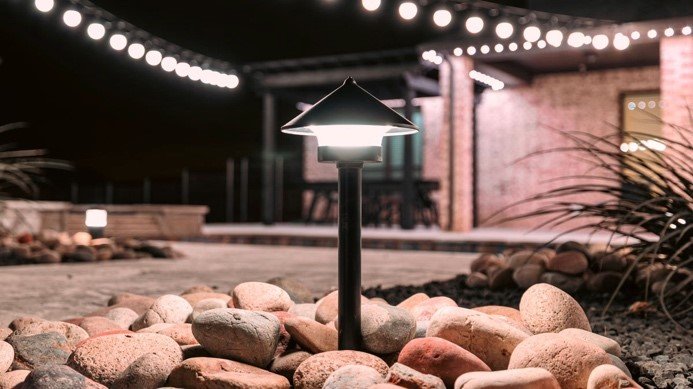
A few well-placed fixtures can make a significant visual impact. Uplighting can bring texture to a brick facade or ornamental tree. Downlighting can create a softer, natural effect along a patio or garden bed. Path lighting helps guests move safely from the driveway to the front door without flooding the yard with harsh light.
This is one area where a one-size-fits-all kit rarely delivers the same result as a custom design. Fixture placement depends on plant growth, elevation changes, sightlines, drainage, and the way light will reflect off surfaces. A landscape that looks excellent in July may need a different approach once leaves fall or snow arrives.
Warm White Is Still the Most Timeless Choice
Smart technology has expanded color options, but warm white remains the foundation of many high-end exterior lighting designs. It flatters common home materials such as brick, stone, siding, and natural wood, while creating a welcoming look that does not feel overly dramatic.
Cooler white light can work for certain modern designs or security-focused areas, but it may appear stark around traditional homes. The right color temperature depends on the exterior palette, the amount of existing ambient light, and the feeling the homeowner wants to create. This is why viewing lighting samples and discussing the property after dark can be so helpful before installation begins.
Patio and Backyard Lighting Are Becoming Part of the Living Space
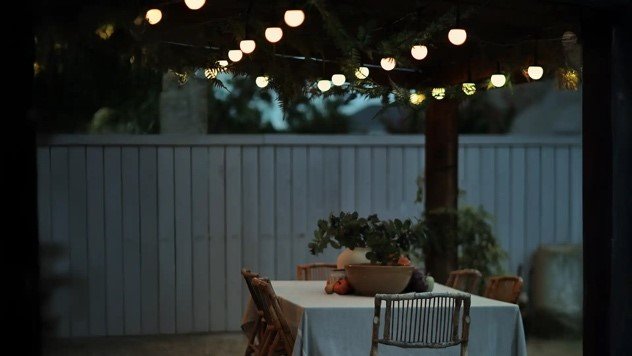
Outdoor spaces are no longer treated as areas homeowners use only a few months a year. Patios, pergolas, decks, fire pits, and outdoor kitchens have become extensions of the home, and lighting is what keeps them useful after the sun goes down.
Current designs focus on comfortable light that supports conversation and movement. Soft perimeter lighting, subtle step illumination, and targeted lighting around cooking or dining areas make a space feel finished without creating glare. Permanent color-capable lighting can add personality for parties, while warm white settings keep everyday evenings relaxed.
If a backyard includes a pond, fountain, or other water feature, lighting deserves special attention. Reflection can create a striking effect, but poorly aimed fixtures can cause glare or shine directly into nearby windows. Professional planning helps make the feature visible while keeping the overall space calm and inviting.
Security Lighting Is Becoming More Attractive
Security has always been a reason to light exterior spaces, but the old approach was often a harsh floodlight mounted high on the garage. Homeowners now want safety without sacrificing the look of the property.
A layered lighting plan can improve visibility around entrances, driveways, side yards, and walkways while preserving a more refined appearance. Motion-sensitive lighting may still have a role near service areas or dark side entrances, but it works best alongside steady, lower-level architectural and landscape lighting. The result is a home that feels occupied and cared for, not overlit.
For many families, the practical benefits are just as important as the visual ones. Clear paths can help reduce trip hazards. A well-lit entry makes it easier to welcome visitors, receive deliveries, and return home after dark. The most effective design considers both the people who live there and the way guests approach the property.
Professional Installation Matters More as Systems Get Smarter
Smart exterior lighting is not just about choosing an app-controlled product. It is about correct placement, reliable wiring, weather-ready components, clean mounting, and a design that fits the house. A quality system should look as good during the day as it does at night, with cables and hardware carefully managed.
Professional installation also gives homeowners a clearer path for support, adjustments, and future additions. That matters when a property changes over time, whether the homeowner adds new landscaping, builds a patio, or wants to extend lighting to another area. Licensed and insured installers bring peace of mind to a project that involves the exterior of the home and its electrical components.
Hamilton Home Accents approaches permanent outdoor lighting as part of the property’s overall appearance, not as a standalone seasonal decoration. A custom consultation can account for the roofline, landscape, outdoor living areas, and the occasions a homeowner wants to celebrate.
The best lighting trend is the one that still feels right after the novelty wears off. Choose a system that makes your home safer, more welcoming, and easier to enjoy on an ordinary Tuesday night, then let the colors and special effects do their job when there is something worth celebrating. Call now or request a quote to create an exterior lighting plan built around your home.