A house can look polished in the daylight and still disappear after sunset. That is usually the moment homeowners start thinking seriously about landscape lighting installation – not as an extra, but as part of how the property should function every evening.
Done well, outdoor lighting does more than highlight a walkway or brighten a flower bed. It gives the front of the home structure, helps guests move safely, adds visibility around entries and patios, and makes the entire property feel more finished. It can also protect the investment you have already made in landscaping, stonework, and outdoor living areas by letting those features keep working after dark.
Why landscape lighting installation matters
The best exterior upgrades pull double duty. Landscape lighting is one of them. It improves appearance, but it also changes how a property feels and how it gets used.
For many homeowners, the first goal is curb appeal. A dark home can look flat at night, even if the landscaping is beautiful during the day. Strategic lighting adds depth. It can draw attention to architectural lines, mature trees, retaining walls, garden beds, and entry paths without making the yard feel overlit.
There is also the practical side. Walkways, steps, transitions between lawn and patio, and driveway edges are easier to navigate when they are lit correctly. The difference is especially noticeable during winter, during rainy weather, or when you are arriving home after dark with kids, groceries, or guests.
Security plays a role too, but good lighting is not about blasting every corner with harsh brightness. A professional plan uses focused light where visibility matters most. That approach is more attractive, and it usually works better than a few oversized flood lights mounted as an afterthought.
What good landscape lighting looks like
The strongest lighting designs are usually the ones you do not notice right away. You notice the effect first. The home looks inviting. The front walk feels clear. The patio becomes usable at night. Then you start noticing the individual fixtures and the way they were placed.
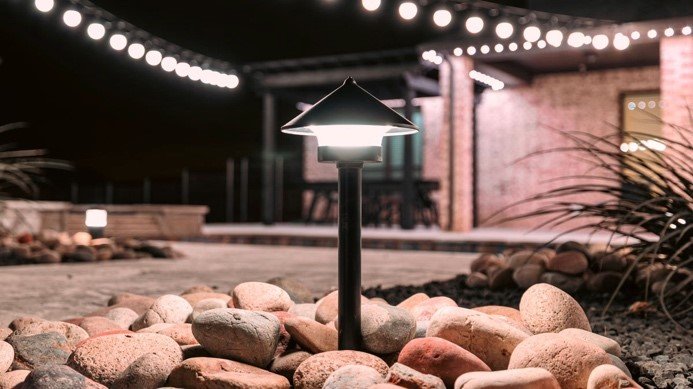
A quality design is balanced. Not every tree needs a spotlight, and not every path light needs to be identical in spacing if the terrain or layout changes. Some homes benefit from a soft, layered look. Others need stronger definition around stone borders, elevation changes, or wide front entries. It depends on the property and on how the space is used.
This is where custom planning matters. A one-size-fits-all package can leave key areas in shadow while overlighting others. Professional installers look at sightlines, focal points, traffic flow, fixture placement, beam spread, and how the lighting will appear from the street as well as from inside the home.
Landscape lighting installation is more than placing fixtures
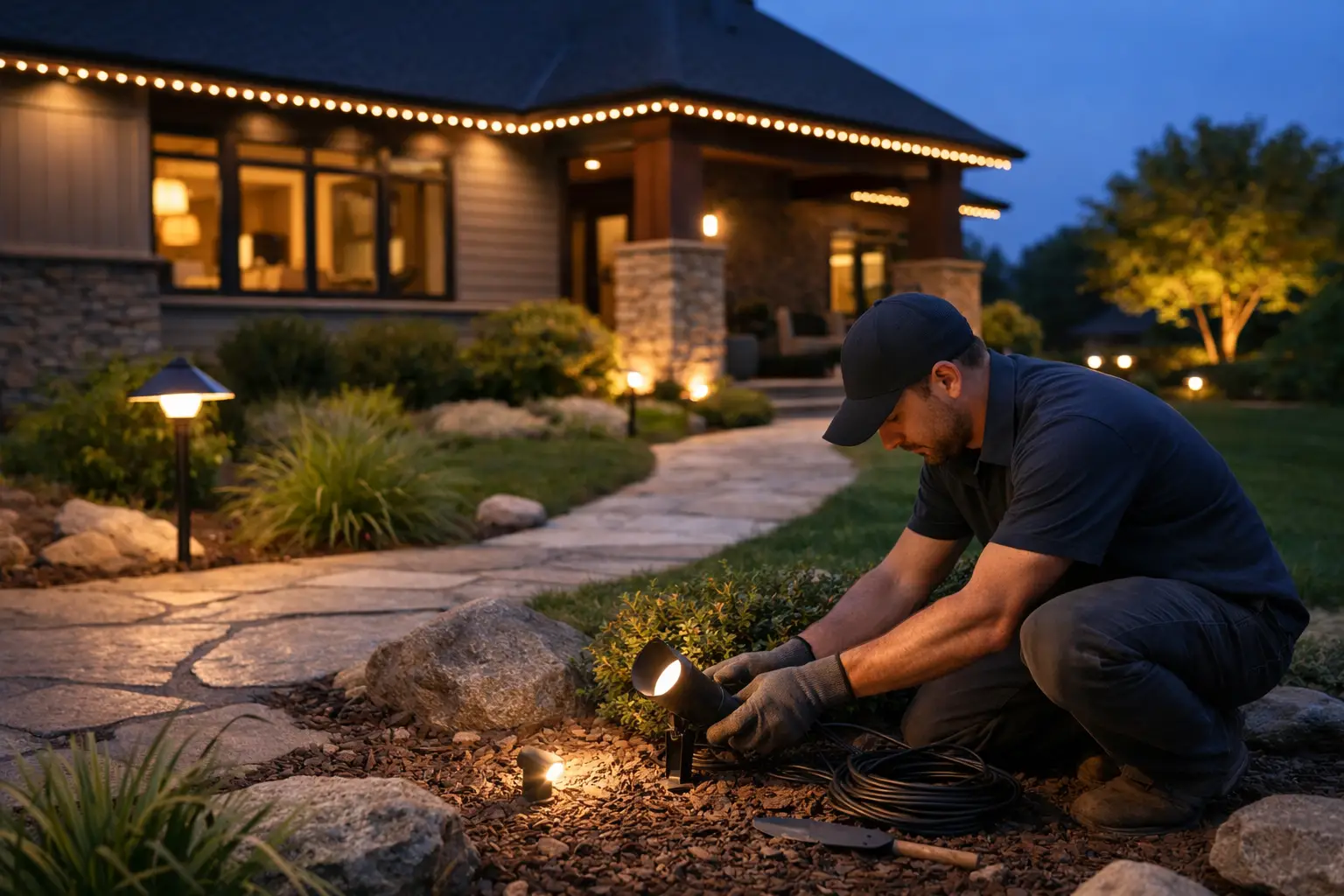
Homeowners often see the visible part of the project and assume the work is simple. In reality, landscape lighting installation involves design, electrical planning, product selection, trenching or cable routing, transformer sizing, fixture aiming, and testing.
The layout has to make sense for the property now and later. If you plan to add mulch beds, expand a patio, install a decorative pond, or update foundation plantings, the lighting should be designed with those changes in mind. Otherwise, today’s quick fix can become tomorrow’s rework.
The fixture choice matters too. Materials, lens quality, brightness, color temperature, and weather resistance all affect long-term performance. A low-cost fixture may look fine at first, but if it fades, corrodes, shifts out of place, or fails after one or two seasons, the savings disappear fast.
Installation quality also affects maintenance. Wires need to be routed cleanly. Connections need to be protected. Fixtures need to be positioned so routine mowing, edging, and seasonal cleanup do not constantly knock them loose or expose wiring. That kind of craftsmanship is what keeps a system looking sharp after the install day is over.
Where lighting has the biggest impact
Most properties do not need lighting everywhere. They need lighting in the right places.
Front entry lighting tends to make the biggest difference because it shapes the first impression of the home. Path lighting is another high-value upgrade, especially if the walkway curves, includes elevation changes, or blends into darker landscaping. Accent lighting around trees and specimen plantings adds depth and can make a yard feel much more established at night.
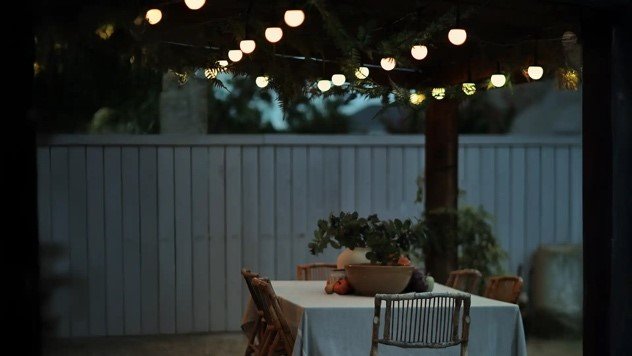
Backyards often deserve more attention than they get. Patio lighting, low-level garden lighting, and accent lighting around water features or retaining walls can make outdoor spaces usable long after sunset. For families who entertain, grill, or simply enjoy sitting outside in the evening, this is where landscape lighting starts to feel less like decoration and more like a lifestyle upgrade.
Commercial properties can benefit as well. A cleanly lit entry, monument sign, walkway, or building perimeter creates a more professional appearance and helps customers or tenants feel more comfortable on site.
Why professional installation usually pays off
There are outdoor projects where a do-it-yourself approach makes sense. Landscape lighting can be one of them for a very small garden path or temporary setup. But for a full-property system, professional installation usually produces a better result and fewer headaches.
The first reason is design. Most lighting problems are not product problems. They are planning problems. Fixtures are too bright, too sparse, poorly aimed, or installed without a clear visual goal. Professional installers know how to create layers, avoid glare, and make the property look intentional instead of patchy.
The second reason is durability. A licensed and insured professional team installs with long-term performance in mind. That includes cleaner cable runs, better fixture placement, proper load planning, and a system that holds up through weather, maintenance, and seasonal changes.
The third reason is efficiency. Homeowners are busy. Between choosing fixtures, laying out the design, handling installation, and troubleshooting issues, a weekend project can stretch into several weeks. Working with a company that specializes in exterior improvements saves time and usually leads to a cleaner finish.
What to ask before hiring a lighting installer
If you are comparing companies, look beyond the fixture catalog. Ask how the design is customized to your property. Ask whether the team is licensed and insured. Ask what materials they use, how the system is maintained, and whether they install lighting as a core service or as a side offering.
It is also smart to ask how the lighting will work with the rest of your exterior. If you have permanent roofline lighting, patio lighting, fresh landscape design, or planned maintenance work, those pieces should complement each other. The best result comes when the lighting is treated as part of the full outdoor environment, not as a disconnected add-on.
For homeowners in Northwest Ohio and Southeast Michigan, local knowledge matters too. Soil conditions, freeze-thaw cycles, plant growth patterns, and seasonal weather all affect how an installation should be planned and protected.
The value of a custom exterior plan
One of the biggest advantages of working with a company like Hamilton Home Accents is that lighting does not have to be planned in isolation. If the goal is a more impressive, more usable exterior, the lighting should support the landscaping and the landscaping should support the lighting.
That might mean accenting a new retaining wall, framing a decorative pond, defining fresh bed lines, or tying the front landscape lighting into patio and permanent outdoor lighting for a more consistent look across the property. When those elements are designed together, the finished result feels cleaner and more complete.
This matters for homeowners who want lasting value, not just a quick visual boost. A coordinated outdoor plan usually looks better, functions better, and avoids the piecemeal effect that happens when improvements are added one at a time without an overall vision.
When is the right time to install landscape lighting?
There is no single perfect season, but there are smart windows. Many homeowners schedule lighting as part of a larger exterior refresh in spring or fall. Others move forward after realizing their yard is underused at night during summer entertaining season.
If you are already planning landscape updates, hardscape work, or permanent lighting improvements, that is often the best time to discuss landscape lighting installation. Coordinating projects can reduce disruption and produce a more polished final result.
The right timing really comes down to your priorities. If you want better curb appeal, safer walkways, and more enjoyment from your outdoor space, waiting usually just means spending another season with a property that goes dark before the day feels done.
A well-lit home does not need to shout to stand out. It just needs the right design, the right products, and installation that respects the details. If your exterior looks great in the daytime, it should earn the same reaction after sunset.