A front walkway can look flat all day and still feel underwhelming at night. The difference usually is not the plants or the pavers – it is the lighting. For homeowners comparing options, landscape lighting installation cost often becomes the deciding factor, and the real answer depends less on a single price tag and more on the type of system, the layout of the property, and the level of finish you want.
If you are pricing outdoor lighting for your home, it helps to think beyond fixtures alone. A professionally installed system is part design project, part electrical work, and part long-term curb appeal upgrade. That is why two homes on the same street can end up with very different project totals.
What affects landscape lighting installation cost?
The biggest driver is scope. A simple plan that lights a short front walk and highlights one or two planting beds will cost much less than a full-property design with uplighting, pathway lighting, tree accents, and backyard entertaining zones.
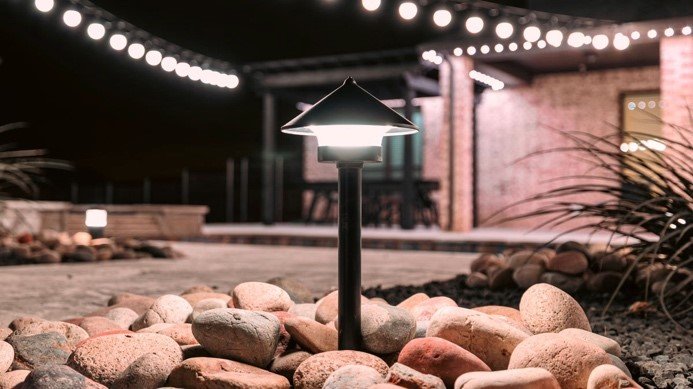
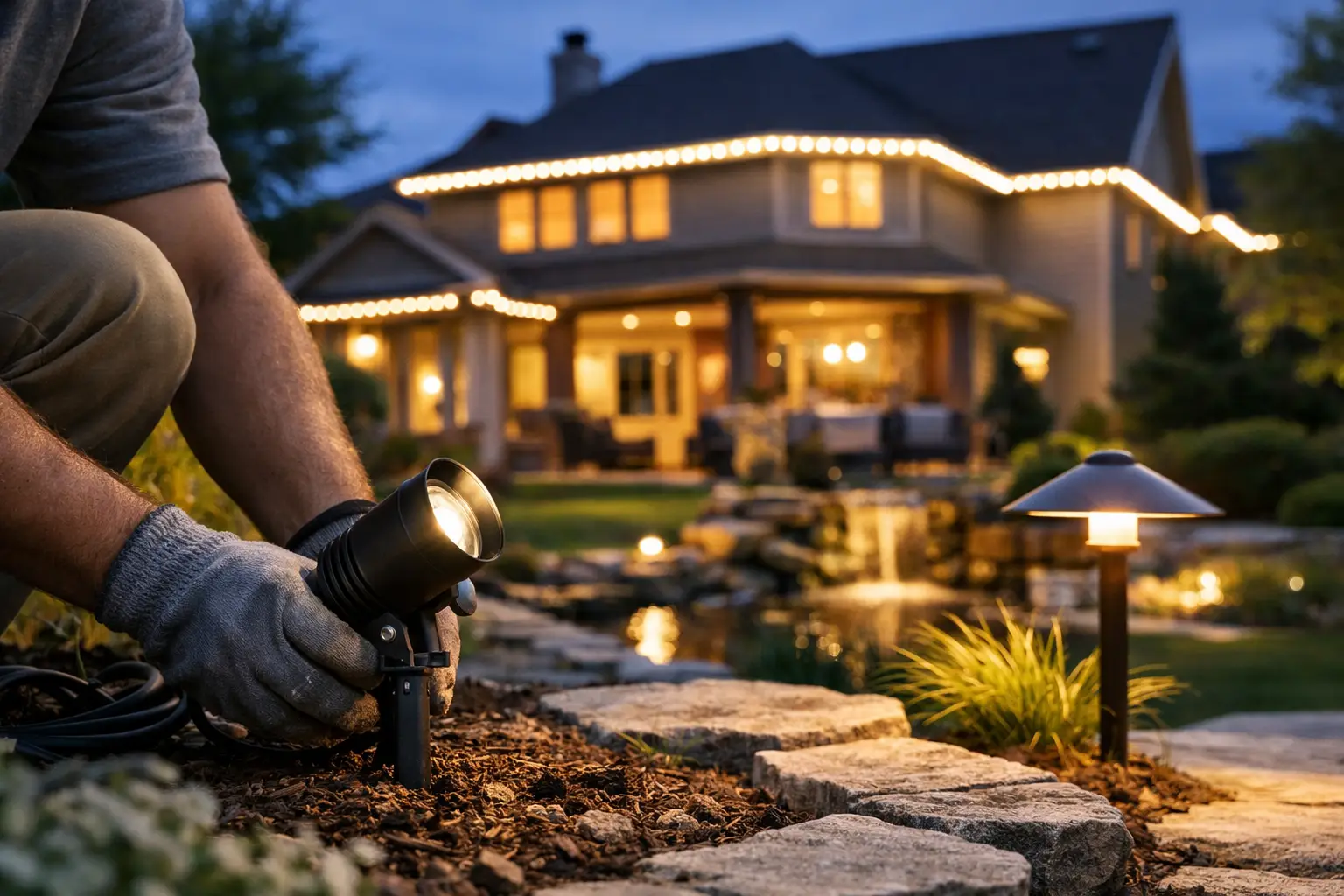
Fixture count matters, but so does fixture type. Path lights, spotlights, wash lights, well lights, and hardscape lights each serve a different purpose and come with different material and labor demands. Some installations are straightforward. Others require more wiring runs, tighter aiming, and more time to get the finished look right.
Transformer size and system capacity also affect price. A small low-voltage setup may need only a modest transformer, while a larger design needs more power, room for expansion, and cleaner load balancing. Homeowners who expect to add lighting later should plan for that up front, because retrofitting can cost more than sizing the system correctly from the start.
Property conditions play a major role too. Open beds and easy trenching are one thing. Mature roots, extensive hardscaping, elevation changes, and long distances from power sources create more labor. Even the age and layout of the home can influence installation complexity.
Typical landscape lighting installation cost ranges
For many homes, professionally installed landscape lighting starts in the low thousands and climbs from there based on design ambition and property size. A modest front-of-home system may land around $2,000 to $4,000. A more polished design with multiple lighting zones often falls in the $4,000 to $8,000 range. Larger custom projects for expansive lots or homes with detailed landscape features can move well beyond that.
Those numbers are broad on purpose. They reflect the reality that landscape lighting is not a one-size-fits-all service. A budget-minded homeowner may want practical pathway visibility and a few accent lights. Another may want a layered nighttime look that adds drama to trees, architecture, and outdoor living areas. Both are valid goals, but they produce different costs.
For commercial properties or upscale residences, pricing can increase further because coverage, durability, and design expectations are usually higher. More fixtures, longer runs, and stricter presentation standards all add time and material.
Why professional installation costs more than DIY
There is a reason store-bought kits look affordable. They simplify the process, use lighter-duty components, and assume a basic layout. That can work for a temporary improvement, but it often falls short on performance, longevity, and overall appearance.
Professional installation includes design planning, fixture placement, wire routing, load calculation, transformer selection, and final nighttime adjustments. That last part matters more than people expect. A fixture that is off by a few inches or aimed too high can create glare instead of depth. Good outdoor lighting should feel intentional, not harsh.
You are also paying for product quality. Better fixtures typically offer stronger construction, better finishes, more reliable LED performance, and improved resistance to weather. In areas like Northwest Ohio and Southeast Michigan, where freeze-thaw cycles and seasonal changes are hard on exterior systems, material quality is not a minor detail.
Licensed and insured installation also brings peace of mind. When a company handles the design and install properly, homeowners do not have to guess whether the system is safe, balanced, or built to last.
Design choices that raise or lower the final price
The fastest way to increase cost is to light everything at once. Sometimes that is the right move. Often, it is smarter to focus on the features that create the biggest visual payoff.
For example, lighting a front entry, walkway, and a few architectural focal points can transform the home without turning the yard into a full-scale project. If the backyard is the main gathering space, the better investment may be there instead. A good installer will help prioritize what should be lit now and what can wait until a second phase.
Fixture finish and beam spread can also affect price. So can color temperature. Warmer light tends to feel more inviting on homes and landscaping, while cooler tones can look sharper but less natural. There is no universal right answer, but there is a right answer for the style of your property.
Smart controls, timers, and app-based management can add to the budget as well. For many homeowners, that convenience is worth it. The ability to automate schedules and make seasonal adjustments without touching the system can improve both daily use and energy efficiency.
Hidden costs homeowners should ask about
Not every quote covers the same things. That is where confusion starts.
Ask whether the proposal includes design consultation, fixtures, wiring, transformer, trenching, connections, nighttime aiming, cleanup, and any follow-up adjustments. Some lower quotes look attractive at first but leave out important pieces that show up later as add-ons.
Maintenance should be part of the conversation too. Even quality systems need occasional adjustments as landscaping grows and seasons change. Fixtures can shift, lenses can collect debris, and plant material can block light output over time. A system that looked perfect on installation day may need tuning to keep that polished result.
Warranty coverage is another detail worth checking. Strong product warranties and workmanship backing may not lower the upfront cost, but they can protect the value of the investment.
How to budget without cutting the wrong corners
If the full vision is above your comfort zone, scaling the project in phases usually makes more sense than choosing weaker materials. A smaller well-designed system with durable fixtures will generally serve you better than a larger bargain setup that fails early or never looks quite right.
Start with the areas that matter most to your daily experience. For some families, that is the front walk and entry. For others, it is the patio, pool area, or backyard seating space. Security and navigation may be the priority, or curb appeal may be the main goal. The budget should follow the reason you want lighting in the first place.
It also helps to be clear about expectations. If you want soft accent lighting, your design strategy will be different than if you want strong visibility around the whole property. Telling your installer what you want the home to feel like at night can be more useful than simply asking for the cheapest option.
Is landscape lighting worth the cost?
For many property owners, yes – especially when the lighting is custom designed and professionally installed. It adds function, extends the use of outdoor spaces, improves wayfinding, and creates a stronger first impression after dark. It can also make landscaping investments work harder by keeping those features visible at night instead of letting them disappear.
The return is not only financial. It is experiential. You pull into the driveway and the house looks finished. Guests can walk the property safely. Outdoor dinners feel more inviting. That everyday impact is what makes the project worthwhile for a lot of homeowners.
A local, quote-driven approach usually gives the clearest picture of cost because it accounts for your home rather than a national average. Companies like Hamilton Home Accents build pricing around the actual property, the design goals, and the level of craftsmanship expected, which is the only way to give a number that means something.
If you are comparing estimates, look for the team that treats lighting as part of the home’s overall exterior design, not just a set of fixtures in the ground. The best project is not always the cheapest one. It is the one that still looks right night after night, season after season, long after the install crew has packed up.