If you are asking how much does it cost to install an outdoor light fixture, the short answer is that most homeowners pay anywhere from about $150 to $700 for a straightforward installation, while more complex projects can run higher. That is a wide range for a reason. The final cost depends on what kind of fixture you want, whether wiring is already in place, how easy the location is to reach, and whether you are replacing an old light or starting from scratch.
For a front porch sconce swap, the price is usually much lower than adding a new fixture over a patio where no wiring exists yet. And if your goal is not just light, but a cleaner, more polished exterior that improves curb appeal and security, the right installation matters as much as the fixture itself.
How much does it cost to install an outdoor light fixture in real life?
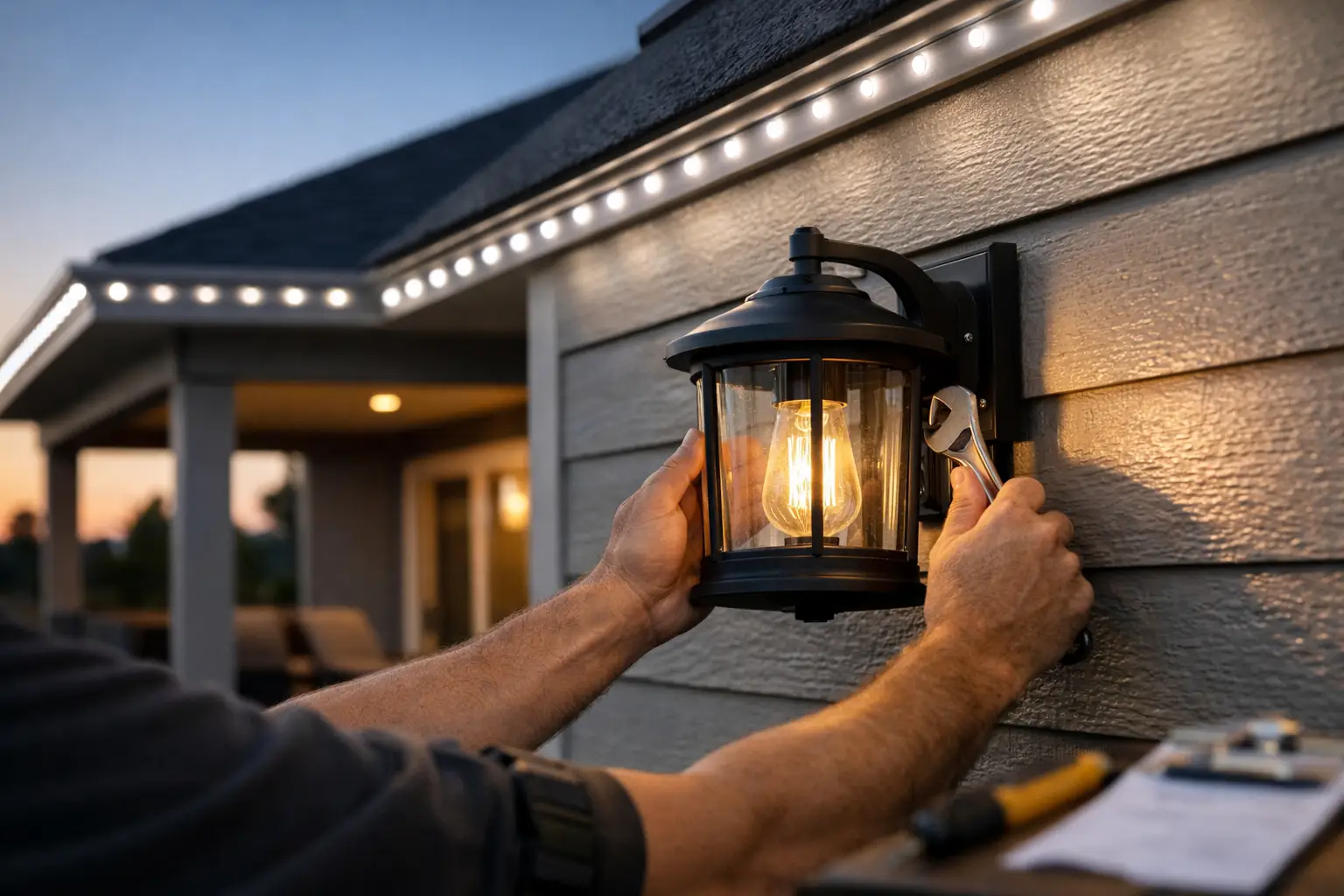
A basic replacement is usually the most affordable scenario. If there is an existing electrical box, the wiring is in good shape, and the new fixture goes in the same spot, many homeowners land around $150 to $300 plus the cost of the fixture itself. This is often the case for a porch light, garage light, or rear entry fixture.
When a new fixture location needs fresh wiring, expect a bigger jump. In that case, total project cost often falls between $300 and $700 or more, especially if the electrician has to run wire through finished walls, soffits, brick, or masonry. If the installation involves a tall peak, a second story, or a difficult access point, labor can climb quickly.
At the higher end, decorative exterior lighting with custom placement, smart controls, dimmers, photocells, or coordinated lighting design can move beyond that range. Homeowners who want a fixture to look great during the day and perform well at night usually find that installation cost is tied closely to planning and finish quality, not just the time spent mounting the light.
What affects the cost most?
The biggest cost driver is whether power is already where you need it. Replacing a fixture is one job. Creating a new lighting point is another. Running new wiring takes more labor, more materials, and sometimes more troubleshooting if the home’s exterior construction makes access difficult.
Fixture type also matters. A standard wall lantern is usually simpler than a large decorative pendant, motion-sensor flood light, or oversized statement fixture. Heavier lights may need stronger mounting support, and smart or low-voltage integrations can add setup time.
Then there is the surface itself. Installing on vinyl siding is different from installing on brick, stucco, stone, or a finished patio cover. Some surfaces require more careful cutting, specialty fasteners, weatherproof sealing, or extra labor to keep the final result clean and durable.
Height and accessibility matter more than many homeowners expect. A light over a standard porch door is relatively simple. A fixture mounted high over a garage peak or under a difficult roofline may require ladders, lifts, or additional safety setup. That added time is part of the price.
Typical cost by project type
If you are budgeting, it helps to think in terms of the kind of job you actually need.
Replacing an existing porch or back door light is often the lowest-cost project. Many homeowners pay a few hundred dollars once labor and fixture costs are combined. If you choose a premium fixture with better materials or a larger decorative style, the total can move up even if labor stays fairly simple.
Installing a new motion light or security light usually costs more because placement matters, and the installer may need to route power to a better vantage point. That can be well worth it if your goal is safety around driveways, side yards, or dark entries.
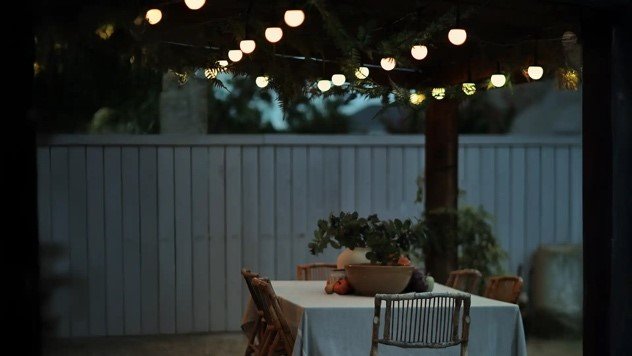
Patio and outdoor entertaining areas are where price starts to vary the most. A single fixture over a covered patio may be straightforward, but a coordinated lighting plan with multiple points, matching finishes, and smart controls becomes more of a design-and-install project. That kind of work tends to deliver a much stronger visual result, which is why many homeowners choose professional installation instead of a quick DIY approach.
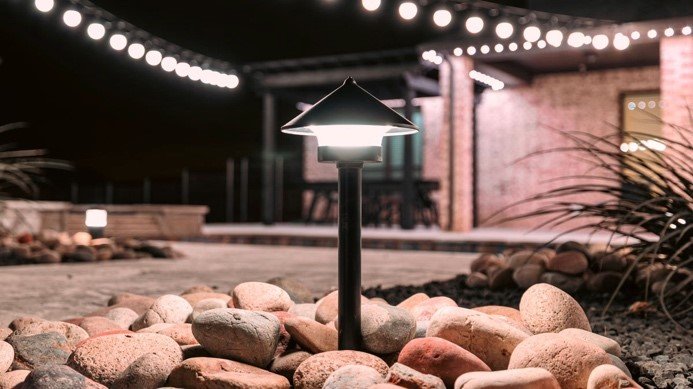
Landscape or architectural lighting is a different category altogether. Technically those are not always single “fixtures” in the same sense as a porch light, but homeowners often compare them together. If your real goal is to make the home stand out after dark, a single fixture may not deliver the impact you want. A broader exterior lighting plan often creates a better result and a better long-term value.
Labor vs. fixture cost
A common mistake is focusing only on the price tag of the light itself. You might buy a fixture for $80, $250, or $600, but the installation cost is separate. Labor often includes removing the old fixture, checking the electrical box, confirming weather protection, securing the mount, making safe wire connections, sealing the penetration, and testing the system.
If the installer discovers an old box that is loose, corroded, undersized, or not rated for the fixture weight, that can add cost. The same goes for outdated wiring, water intrusion, or signs of previous improper installation. Those are not upsells for the sake of it. They are the kinds of issues that affect safety and performance.
The best installs look simple when they are finished. That is usually a sign that the details were handled correctly.
When the lowest quote is not the best value
Outdoor lighting lives in tough conditions. Rain, wind, temperature swings, and seasonal debris all work against it. A cheaper install may leave you with crooked placement, poor sealing, exposed gaps, or a fixture that does not sit right against the home.
That is why homeowners who care about appearance usually place a premium on workmanship. A properly installed outdoor fixture should feel secure, look intentional, and hold up over time. If the project is part of a larger curb appeal upgrade, finish quality matters just as much as function.
This is also where licensed and insured installation becomes important. Exterior electrical work is not the place to gamble on shortcuts. If a contractor understands both lighting performance and the visual side of exterior improvement, you are more likely to get a result that improves the property instead of just checking a box.
Should you DIY or hire a pro?
For some homeowners, replacing a simple fixture where wiring already exists can seem manageable. But outdoor installations have extra variables. Weatherproofing, mounting stability, code considerations, and safe electrical connections all matter. If the location is elevated, exposed, or tied into a larger exterior lighting system, the risk and complexity go up fast.
Hiring a professional usually makes the most sense when you are adding a new fixture, dealing with masonry or difficult siding, installing at height, or trying to match the light to the overall look of the home. The cost is higher than DIY, but so is the confidence that the job will be safe, clean, and built to last.
For homeowners in Northwest Ohio and Southeast Michigan, that can be especially relevant. Freeze-thaw cycles, moisture, and seasonal weather put exterior installations through a lot. A fixture that is installed properly from the start tends to save frustration later.
How to budget for the right result
If your only goal is replacing a worn-out light, budget for both the fixture and labor, and ask whether the existing box and wiring are likely to support the new unit. If your goal is to improve curb appeal, security, or nighttime enjoyment of the property, think bigger than the fixture alone.
That might mean choosing a better finish, a larger scale, warmer light output, or a placement that actually complements the architecture. It may also mean getting a quote for a broader outdoor lighting plan instead of solving one dark spot at a time. In many cases, that approach creates a more polished result and better long-term value.
At Hamilton Home Accents, that is often the difference homeowners notice right away – not just that the light turns on, but that the house looks sharper, more welcoming, and more complete when the sun goes down.
A good outdoor light fixture can be a small upgrade or the start of a much more visible transformation. The right cost is not always the cheapest number. It is the one that gives you a fixture that looks right, works reliably, and makes your property feel better every time you pull into the driveway.